

Why Tools Matter More Than Ever in a Distributed World
When I first stepped into the SaaS arena, the tech stack felt like a static museum: a handful of “must‑have” platforms, a few custom scripts, and a lot of manual hand‑offs. Fast‑forward a few releases, and the same teams are now juggling dozens of solutions, each promising to solve the next pain point. The reality? Tools are no longer optional accessories—they’re the nervous system of modern businesses. If your organization can’t move swiftly from idea to execution, you’ll watch competitors sprint past with a single click.
The No‑Code Wave: Democratizing Automation
One of the most transformative shifts I’ve witnessed is the rise of no‑code and low‑code automation platforms. These aren’t just for marketers building landing pages; they’re becoming the lingua franca for product, ops, finance, and even HR. By abstracting away the need for deep engineering resources, teams can prototype, test, and iterate without waiting on a backlog.
Consider a scenario where your sales ops team needs a real‑time lead‑scoring dashboard. In the past, that meant a data engineer, a front‑end developer, and weeks of coordination. Today, a no‑code workflow builder can pull data from your CRM, apply a scoring algorithm, and surface the results on a shared view in under an hour. The speed isn’t just a convenience—it’s a competitive moat.
Building a Toolbox That Grows With You
When you’re assembling a stack, the temptation is to stack every shiny new tool that promises a boost. But a bloated toolbox quickly becomes a maze. Here’s my three‑step framework for a future‑ready collection:
- Core Foundations: Identify the non‑negotiable platforms that anchor your operations—think identity management, data warehousing, and primary communication channels.
- Modular Extensions: Choose tools that plug into your core via open APIs or native connectors. Modularity ensures you can replace a component without dismantling the entire house.
- Iterative Evaluation: Set a quarterly review cadence. Metrics like adoption rate, time‑to‑value, and maintenance overhead tell you whether a tool deserves a permanent seat at the table.
By treating your stack as a living ecosystem rather than a static checklist, you keep the door open for innovation without inviting chaos.
Integrations: The Glue That Holds It All Together
Integration fatigue is real. Each new platform adds a layer of complexity, and data silos can erode the very efficiencies you’re chasing. The secret sauce is to adopt a centralized integration layer—a platform‑agnostic hub that orchestrates data flows, triggers, and alerts across all your tools.
When I first introduced an integration hub at my previous company, we reduced duplicate data entry by 73% and cut the average incident resolution time in half. The hub acted as a single source of truth, translating signals from one system into actions in another without a developer writing custom code each time.
If you’re curious about how proactive system health practices can complement this approach, explore proactive system health practices for deeper insight.
Measuring Success Without Getting Lost in Data
Every new tool promises dashboards and analytics. The trick is to focus on outcome‑centric metrics rather than vanity counts. Ask yourself:
- What specific business goal does this tool support?
- How will I know it’s delivering value? (e.g., reduction in manual steps, increase in conversion rate)
- What is the cost of not having this capability?
By anchoring each tool to a tangible KPI, you avoid the trap of endless “click‑through” reporting and keep the conversation grounded in ROI.
Pitfalls to Avoid When Scaling Your Toolset
Even the smartest teams stumble over common traps. Here are the three I see most often:
- Tool Overlap: Two platforms solving the same problem create friction and dilute data quality. Conduct a “tool audit” before onboarding anything new.
- Neglecting Governance: Without clear ownership, permissions, and data policies, you invite security gaps and compliance headaches.
- Under‑estimating Change Management: A new tool is only as good as the people who use it. Pair every rollout with training, documentation, and a feedback loop.
Learning from teams who have successfully aligned disparate assets can offer a roadmap. For a deeper dive, discover strategies for aligning disparate assets and turning them into a unified experience.
Future‑Proofing Your Stack Today
Technology evolves at lightning speed, but the principles of a resilient toolset remain steady: simplicity, interoperability, and purpose‑driven adoption. To stay ahead, keep these habits on your radar:
- Stay Curious: Allocate time each month to explore emerging platforms—especially those that champion no‑code flexibility.
- Community Engagement: Join user groups, attend virtual meetups, and read case studies. Peer insights often surface hidden use cases or shortcuts.
- Continuous Feedback: Build a simple “pulse survey” for tool users. Their real‑world experiences will guide upgrades, retirements, or new investments.
When you treat tools as strategic partners rather than tactical fixes, you empower every team to innovate at the speed of thought. The result? A nimble organization that can pivot, scale, and thrive—no matter what the market throws its way.

Amanda is a passionate writer exploring a kaleidoscope of topics from lifestyle to travel and everything in between.
Related Posts
Context‑Aware AI Assistants: A Toolbox for Knowledge Workers
Context‑aware AI assistants weave into everyday apps, offering real‑time, relevant insights that... Read More
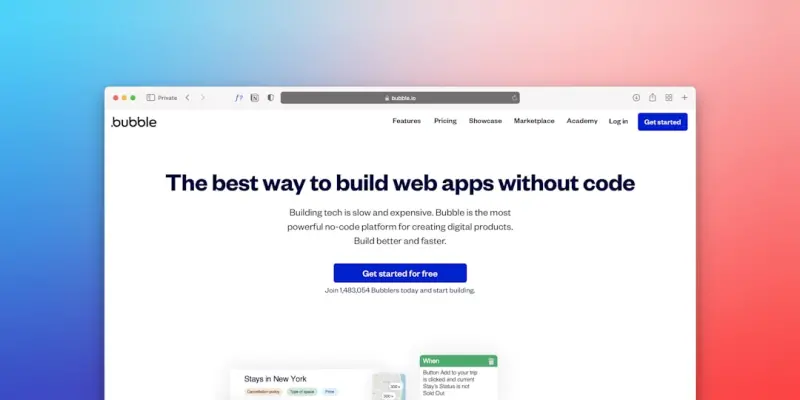
Why Low‑Code Integration Platforms Are the Quiet Super‑Tools of Modern Enterprises
Low‑code integration platforms replace fragile custom scripts with visual, self‑service workflow... Read More

Tools of the Future: Sustainable Gear Every Maker Needs
Explore the newest sustainable tools transforming makerspaces, with practical tips, eco‑friendly g... Read More
Top Posts

The AI Revolution: How Sustainable Practices are Transforming the Industry
The AI revolution is transforming the way we live and work, but it's essential that we prioritize sustainability and consider the long-term implications of our ...Read More

Playful Sustainability: Rethinking Toys for a Greener Future
Explore the rise of eco‑friendly toys, from plant‑based materials to solar‑powered fun, and learn how mindful play can shape a greener tomorrow....Read More

Community‑First Marketing: Turning Niche Groups into Growth Engines
A deep dive into community‑first marketing, showing how building niche groups around shared purpose can turn users into co‑creators, generate zero‑party d...Read More

Designing a Portfolio Career That Thrives in the Modern Economy
Learn how to build a resilient portfolio career, blend diverse projects, and measure success beyond salary—empowering you to thrive in today’s ever‑changi...Read More
0 Comments
Post Comment
You will need to Login or Register to comment on this post!