
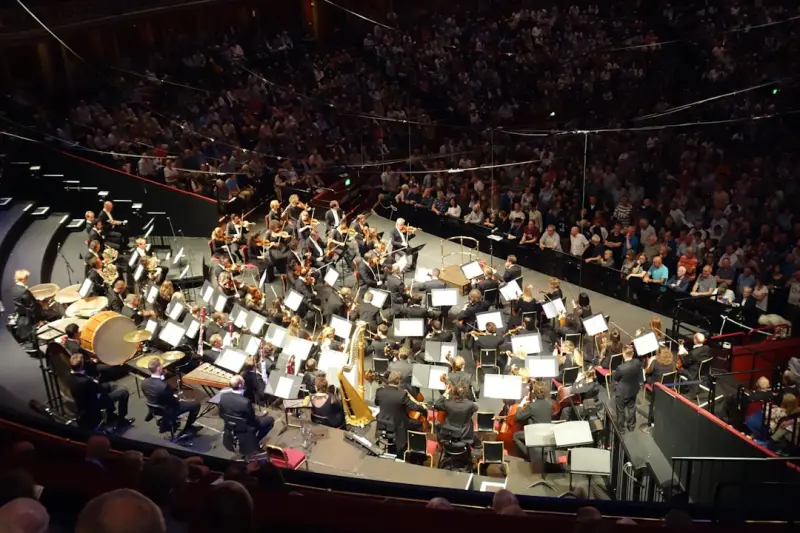
Why Content Orchestration Beats Content Creation Alone
When I first stepped into the SaaS arena, I treated every blog post, LinkedIn update, and whitepaper like a solo performance. The result? A steady stream of content that rarely resonated beyond a handful of clicks. It took a painful series of missed targets for me to realize that the real power lies not in the act of publishing, but in the way those pieces interact, reinforce, and guide a prospect through the buying journey. In other words, content orchestration—the discipline of arranging independent assets into a harmonious, purpose‑driven flow—has become my secret weapon.
From Island Pieces to a Connected Narrative
Imagine a music festival where each band plays on its own stage with no set times or shared theme. Attendees might enjoy a few songs, but they’ll leave confused about the overall vibe. The same thing happens when you scatter blog posts, case studies, videos, and newsletters across channels without a unifying thread. Your audience bounces, your metrics plateau, and the ROI on your content spend dwindles.
Orchestrated content, by contrast, is like a well‑curated setlist. Each piece has a clear role—opening act, crescendo, encore—and all lead the listener (your prospect) toward a single, memorable experience. When executed thoughtfully, this approach can:
- Increase the average time a prospect spends with your brand by up to 70%.
- Boost conversion rates on lead‑gen forms by 30‑45% without additional spend.
- Turn isolated traffic spikes into a steady, predictable pipeline.
Key Pillars of Effective Content Orchestration
Below are the foundational elements I rely on when designing an orchestration strategy for a B2B SaaS product.
1. Audience‑Centric Story Maps
Before you write a single word, sketch a map of the buyer’s emotional and informational needs at each stage. This isn’t the classic “awareness‑consideration‑decision” funnel; it’s a nuanced flow that accounts for lateral moves—like a prospect who jumps from a product demo back to a technical blog because they need reassurance about scalability.
Use personas as living documents. Update them quarterly based on sales‑enabled insights, support tickets, and churn analysis. When a persona evolves, your story map evolves with it.
2. Modular Asset Design
Think of each content piece as a LEGO block. A blog post, a short video, an infographic, and a podcast episode should all be built from interchangeable sections—intro, data snippet, customer quote, call‑to‑action (CTA). This modularity allows you to remix assets for different channels without reinventing the wheel.
For instance, a 1,200‑word research post can be broken down into:
- A 2‑minute explainer video for LinkedIn.
- A carousel of key statistics for Instagram Stories.
- A downloadable one‑pager for email nurturing.
3. Intent‑Driven Distribution
Not every audience segment consumes content the same way. A CIO researching security architecture will gravitate toward technical whitepapers, while a VP of Marketing prefers high‑level trend analyses. Align distribution channels with the intent you identified in the story map.
When you match the medium to the mindset, you dramatically increase relevance scores across platforms.
4. Real‑World Feedback Loops
Orchestration is an iterative sport. Use analytics to see which pieces act as “gateways” and which become “dead ends.” Set up micro‑surveys, heat‑maps, and session recordings to capture qualitative feedback. Then feed those insights back into your modular design for the next iteration.
5. Seamless Handoff to Sales
The final movement of any content symphony is the handoff to a live salesperson. Equip your reps with a “story bundle” that includes the exact assets a prospect has interacted with, plus contextual notes about their journey. This continuity eliminates the “I’ve never seen this” moments that often derail deals.
Putting Orchestration Into Practice: A Step‑by‑Step Blueprint
Step 1: Audit Your Existing Library
Start with a comprehensive inventory of every asset produced in the last 18 months. Tag each piece with:
- Primary audience persona
- Stage of the buyer journey it addresses
- Core theme or message
- Format (blog, video, webinar, etc.)
Identify “orphan” assets—those that don’t align with a persona or stage—and plan either to retire, repurpose, or integrate them into a larger narrative.
Step 2: Build a Narrative Backbone
Choose a central theme that reflects your product’s unique value proposition—something like “transforming data chaos into actionable insight.” Every piece will now either support or expand on that backbone.
Draft a high‑level storyline that spans three to five touchpoints, each with a distinct objective (educate, validate, compare, purchase).
Step 3: Develop Modular Templates
Create a library of reusable sections—intro hooks, data visualizations, customer quotes, and CTA blocks. Store them in a shared design system so writers, designers, and video producers can pull from the same pool.
For example, a data visualization block could be a .svg component that automatically updates when you swap in new metrics, ensuring consistency across formats.
Step 4: Align Distribution with Intent
Map each modular asset to a channel based on audience behavior. Use platform‑specific best practices—short captions for Twitter, carousel posts for LinkedIn, and in‑app notifications for existing users.
When you need a quick reference on how to maximize intent‑driven visibility without relying on traditional tracking cookies, check out our guide on mastering intent‑driven SEO without cookies. The principles there translate well to content placement strategy.
Step 5: Activate Feedback Mechanisms
Deploy tools like Hotjar or FullStory to capture scroll depth and interaction patterns. Pair quantitative data with short, contextual surveys—e.g., “Did this piece answer your biggest question about data integration?”
Use the insights to refine modular blocks. If a particular data chart consistently draws attention, consider turning it into a standalone infographic.
Step 6: Deliver a Cohesive Sales Handoff
When a prospect reaches the decision stage, generate an automated “story bundle” PDF that includes:
- All assets they’ve engaged with (with timestamps).
- A concise summary of their expressed pain points.
- Suggested next steps tailored to their role.
This bundle becomes a living document that sales can reference during calls, creating a seamless continuation of the narrative you’ve orchestrated.
Case Study: Turning a Disconnected Blog Series into a Revenue‑Driving Funnel
One of our SaaS clients—an AI‑enhanced data‑visualization platform—had a blog that produced an average of 1,500 monthly visitors but a conversion rate under 0.5%. Their content was high quality but existed in silos.
We applied the orchestration framework:
- Audit: Identified 30 posts covering “data cleaning,” “visual storytelling,” and “real‑time dashboards.”
- Backbone: Chose “From raw data to clear insight” as the central narrative.
- Modularization: Extracted key statistics and case quotes into reusable graphics.
- Distribution: Paired each blog post with a short LinkedIn carousel and an email drip that referenced the same data points.
- Feedback: Added a CTA asking readers to “Download the full data‑pipeline checklist.” This generated a 2,300% lift in checklist downloads.
- Sales Handoff: The checklist download triggered an automated story bundle sent to the sales team, who used it to personalize demos.
Within three months, the conversion rate on the original blog traffic jumped to 2.8%, and the client saw a 15% increase in qualified pipeline volume.
Leveraging Emerging Formats Without Overcomplicating
While orchestration thrives on simplicity, you can still experiment with newer formats—interactive quizzes, AI‑generated snippets, or short‑form podcasts—provided they fit within your modular system. The trick is to treat each format as another block, not a brand‑new island.
For instance, a quiz that assesses a prospect’s data‑maturity can feed its results directly into a personalized email that delivers the exact blog post or case study they need next. This creates a dynamic, data‑driven path that feels handcrafted for each user.
The Role of SEO in an Orchestrated Landscape
Search visibility remains a cornerstone of discovery, but traditional keyword stuffing no longer works. Instead, focus on intent‑first SEO strategies that align with your story map. By structuring internal linking around the narrative flow—linking “data‑cleaning best practices” to “visualization case studies”—you reinforce the journey for both users and crawlers.
Schema markup can be used to highlight each modular block’s role (e.g., Article, HowTo, FAQPage), helping search engines understand the sequence of your content.
Measuring Success: Metrics That Matter
Traditional vanity metrics (pageviews, likes) give you a surface view. For orchestration, track:
- Journey Completion Rate: Percentage of prospects who move from the first touchpoint to the final CTA.
- Asset Interaction Score: Weighted sum of time spent, scroll depth, and CTA clicks across all blocks.
- Sales Enablement Index: How often sales reps cite the story bundle as a decisive factor in closing deals.
When you see a rise in these metrics, you know the orchestra is playing in harmony.
Future‑Proofing Your Orchestration Engine
Content ecosystems evolve. To keep your orchestration relevant:
- Schedule quarterly story‑map reviews with product, sales, and support leads.
- Maintain a “modular backlog” where new data points or customer quotes are queued for future reuse.
- Invest in a lightweight content‑management layer that supports versioning of modular blocks.
- Stay attuned to emerging distribution channels, but only adopt those that map cleanly to an identified intent.
By treating orchestration as a living system rather than a one‑off project, you’ll sustain momentum and keep your audience engaged throughout the entire lifecycle.
Final Thoughts: The Symphony Over the Solo
Content creation is still essential—after all, you need the raw material to orchestrate. But the real competitive edge lies in how you arrange those pieces to tell a cohesive, audience‑centric story that guides prospects from curiosity to conversion. When every asset knows its place in the larger composition, the whole becomes greater than the sum of its parts.
So, the next time you draft a blog post, pause and ask: “What role does this play in the larger journey? How will it connect to the next piece?” Answering those questions will transform your content engine from a collection of isolated notes into a resonant, revenue‑driving symphony.

Seth Samual is a name that's quickly becoming synonymous with compelling and insightful writing. As a freelance writer, Seth has carved a niche for himself by delivering high-quality content across a diverse range of subjects.
Related Posts

The Power of Micro‑Storytelling in Modern Content Marketing
Micro‑storytelling turns tiny, emotionally resonant narratives into powerful marketing assets. Lea... Read More
The Evolution of Sustainable Content Marketing: A New Era for Businesses
Sustainable content marketing is a new era for businesses. Learn how to create eco-friendly content,... Read More

Why Employee Voices Are the Secret Sauce of Modern B2B Content Marketing
Employee-generated content brings real‑world insight, trust, and scale to B2B SaaS marketing. Lear... Read More
Top Posts

When the Brain Logs Off: Rethinking Mental Resilience in a Hyperconnected Workplace
A practical guide to rebuilding mental resilience in today’s hyperconnected workplace, focusing on environment redesign, digital boundaries, and cultural empa...Read More

Reimagining Wilderness Exploration with Personal Sensor Gear
A deep dive into how lightweight, energy‑autonomous sensors empower hikers to blend intuition with real‑time data, creating safer, more immersive wilderness...Read More
Human‑First SEO: Aligning Content with Real User Intent
A fresh take on SEO, this post guides you through a human‑first strategy—focusing on genuine user intent, voice search readiness, structured data, and dataâ...Read More

The Hidden Power of Conscious Shopping: How Small Choices Spark Big Change
From reusable bags to ethical brands, I reveal how everyday shopping decisions can drive massive sustainability gains and reshape the retail landscape....Read More
0 Comments
Post Comment
You will need to Login or Register to comment on this post!