
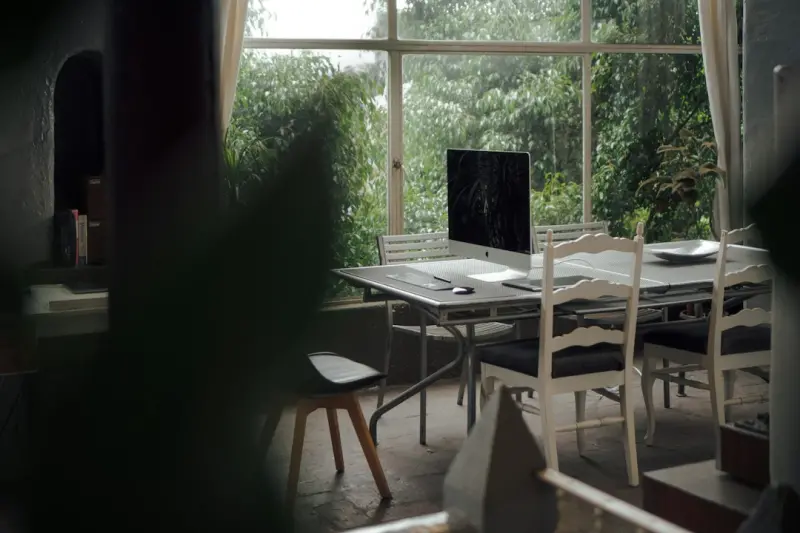
Why Your Home Office Needs to Evolve, Not Just Exist
When I first set up a desk in the corner of my living room, I thought the job was done. A desk, a chair, a lamp—that was a workspace. Fast forward a few months, and the same corner feels cramped, stale, and frankly, uninspiring. The truth is, a home office is a living organism. It reacts to your schedule, your mood, and the ever‑shifting demands of the projects you juggle. Designing a space that adapts rather than merely holds your work can turn a daily grind into a daily delight.
The Core Principle: Flexibility Over Fixed Form
Traditional interior design often leans on permanence—hard‑wired lighting, fixed cabinetry, and static color palettes. While those elements have their place, a workspace that must serve multiple functions—focus, collaboration, brainstorming, and relaxation—benefits from a flexible backbone. Think of it as a delightful micro‑interaction between you and your environment. Every time you adjust a panel, move a screen, or swap a rug, you’re engaging in a purposeful interaction that reinforces productivity.
1. Modular Furniture as the Skeleton
Modular pieces are the scaffolding of an adaptive office. A sofa that doubles as a couch‑office, a desk that can be re‑oriented on a rail system, and storage units that stack vertically give you the freedom to re‑configure your space within minutes. Here’s a quick checklist:
- Movable legs: Desks with lockable wheels let you change the layout without committing to a wall.
- Interlocking panels: These can serve as acoustic baffles in one configuration and as decorative screens in another.
- Adjustable height: Sit‑stand stations that glide silently keep the workflow fluid.
When you think of modularity, imagine the way a edge‑first architecture approach places performance at the boundary—your furniture should place adaptability at the edge of the room.
2. Color as a Mood Engine
Color isn’t just a visual treat; it’s a psychological lever. A muted teal can calm nerves during a high‑stakes client call, while a burst of citrus orange can spark creativity during brainstorming. The secret is to layer colors in a way that they can be swapped without repainting walls. Here’s how:
- Swappable wall panels: Fabric or acoustic panels in different hues can be hung like artwork.
- Accent accessories: Cushions, lamp shades, and desk mats become instant mood switches.
- Smart lighting: Tunable LEDs that shift temperature and intensity at the press of a button.
By treating color as a variable, you give yourself the power to tailor the ambiance to the task at hand.
3. Biophilic Touchpoints for Energy Flow
Plants aren’t just décor—they’re air purifiers, stress reducers, and natural light diffusers. Integrating greenery into an adaptable office means choosing specimens that can move with you:
- Portable planters: Rolling trays or stackable pots that travel with your desk.
- Vertical gardens: Wall‑mounted systems that stay put while the rest of the room shifts.
- Living art: Moss frames that can be hung on any surface.
When you pair biophilic elements with modular design, you create a workspace that breathes, literally and figuratively.
4. Tech Integration Without the Tech‑Clutter
Modern work demands a suite of devices—laptops, tablets, external monitors, and sometimes a VR headset. The challenge is to embed these tools seamlessly. Consider the following strategies:
- Cable management tunnels: Concealed channels that run beneath modular flooring.
- Docking stations on mobile carts: Move the power hub wherever you set up a new workstation.
- Wireless peripherals: Bluetooth keyboards and mice that detach and reattach instantly.
By treating tech as a powerful advocate for the space, you let the room speak for itself, rather than the other way around.
5. Acoustic Zones for Focus and Flow
Open‑plan living areas are great for social interaction but terrible for deep work. The solution lies in acoustic zoning:
- Sound‑absorbing panels: Install them on movable frames that can be positioned around a desk when concentration is key.
- White‑noise machines: Compact devices that blend into décor and can be relocated as needed.
- Floor rugs with density variance: Heavier rugs dampen footfall, lighter ones keep the space airy.
These zones let you switch from “focus mode” to “collaboration mode” with a simple slide of a panel.
6. Personalization: The Final Layer of Adaptability
Even the most thoughtfully designed space can feel generic without personal touches. Incorporate items that tell your story:
- Rotating art displays: Use magnetic frames to swap out prints, photographs, or sketches.
- Memory shelves: Small shelves that hold souvenirs, awards, or books that inspire you.
- Customizable digital backdrops: Projected images that change with the time of day or project theme.
These elements ensure that your office remains a reflection of who you are, not just where you work.
Putting It All Together: A Day in an Adaptive Home Office
Imagine waking up and, with a single pull of a cord, your living room transforms into a focused workstation. The modular desk slides out, the acoustic panels rise, and soft teal lighting bathes the space. By noon, you pull a lever, the panels fold away, a vibrant orange accent appears, and a portable white‑board rolls out for a quick brainstorming session. In the evening, you roll the entire setup back, replace the desk with a comfortable lounge chair, dim the lights, and let the vertical garden become the centerpiece of a relaxed reading nook.
This fluidity isn’t a fantasy—it’s a design philosophy that treats each element as a resource rather than a fixed fixture. The payoff is a space that fuels productivity, nurtures well‑being, and evolves alongside your career trajectory.
Actionable Steps to Start Your Adaptive Redesign
- Audit your current setup: List every piece of furniture, tech, and décor. Identify which items are static and which can be made mobile.
- Choose a modular core: Invest in a desk system that offers height, orientation, and mobility options.
- Plan a color rotation system: Purchase interchangeable wall panels or a set of accent pieces in a curated palette.
- Integrate biophilic elements: Start with a few low‑maintenance plants and a vertical garden kit.
- Map acoustic zones: Place sound‑absorbing panels where you need focus, and keep them on wheels for reconfiguration.
- Implement smart tech: Use a central docking station and wireless peripherals to reduce cable clutter.
- Add personal touches: Curate a rotating gallery of artwork or memorabilia that speaks to you.
Take these steps one at a time. You don’t need to overhaul everything overnight; the beauty of an adaptive design is that it grows with you.
Conclusion: The Workspace as a Living Partner
Design isn’t a one‑time project; it’s an ongoing conversation between you and your environment. By embedding flexibility, color dynamism, biophilic health, smart tech, acoustic control, and personal storytelling into your home office, you create a workspace that not only supports your tasks but also uplifts your spirit. In the era where the line between home and work blurs, an adaptive office becomes the bridge that lets you cross effortlessly—every day, every project, every mood.

Freelance writer with a flare for everything. I am passionate about topics I write crafting stories and compelling content that connect with audiences. Journeying through the realms of creativity as a freelance creator. #WriterLife #ContentCreator
Related Posts
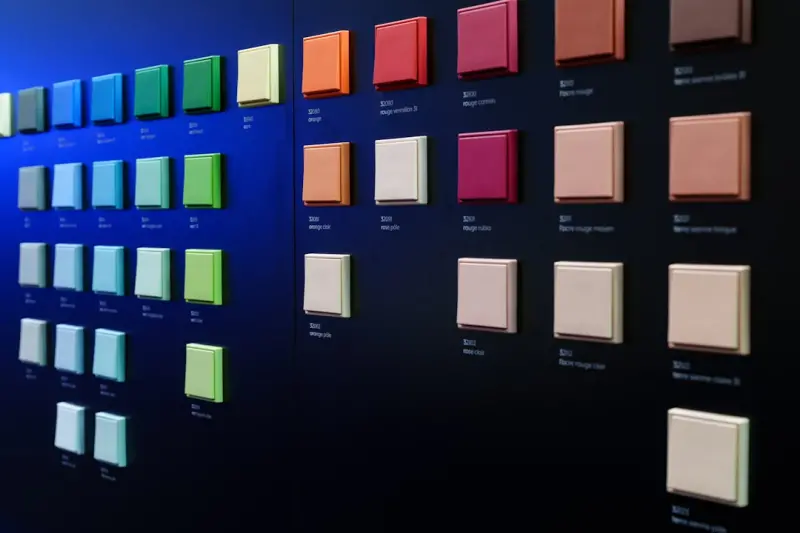
AI‑Powered Color Palettes and Modular Furniture: Redefining Interior Design
Explore how AI-generated color schemes and flexible modular furniture combine with biophilic and aco... Read More
Designing for Neurodiversity: Spaces That Think With You
A deep dive into neuro‑inclusive interior design, highlighting modular layouts, acoustic zoning, v... Read More
The Intersection of Interior Design and Sustainability: A New Era for Homes
Explore the intersection of interior design and sustainability, and learn how to create eco-friendly... Read More
Top Posts

Google’s Generative AI Wave: Transforming Everyday Tools
Discover how Google’s generative AI is revamping Docs, Slides, Maps, and admin tools, offering new productivity boosts, SEO tactics, and ethical safeguards fo...Read More

The Art of Fermenting at Home: A Sensory Journey
A deep dive into home fermentation, covering essential tools, safety tips, flavor experiments, and the surprising role of AI in discovering new taste combos....Read More

Why Offline‑First Mobile Apps Are the Secret Weapon for User Trust
Explore why designing mobile apps to work offline first can dramatically improve user trust, lower costs, and increase engagement across all markets....Read More

When the Pitch Becomes a Scam: Unmasking B2B Partnership Frauds
A practical guide for SaaS leaders to detect and avoid partnership scams, featuring red‑flag checklists, cross‑team verification, and strategies for staying...Read More
0 Comments
Post Comment
You will need to Login or Register to comment on this post!