
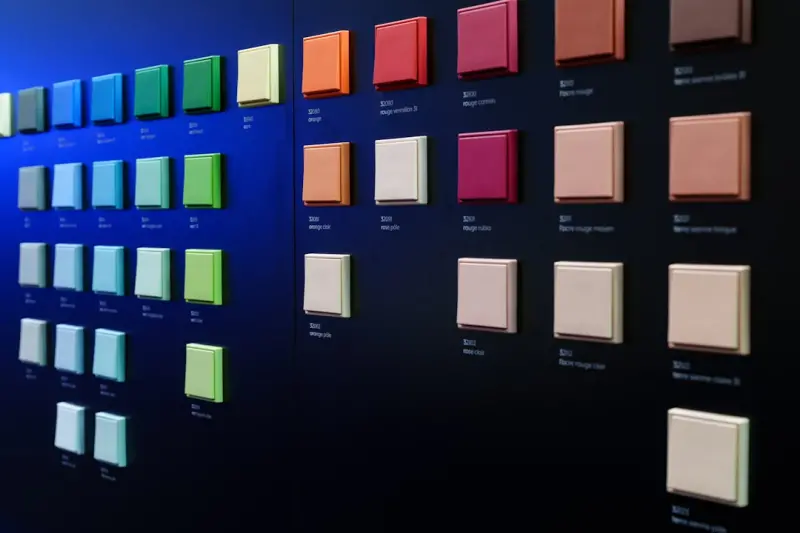
AI‑Driven Color Science: The New Palette for Modern Interiors
When I first walked into a client’s open‑plan office, the walls were a bland off‑white, the furniture was generic, and the vibe felt… predictable. It was a space that could have been any other, and that’s the problem: interiors have become interchangeable. The good news? We now have the tools to break the monotony, and the most exciting one is artificial intelligence. By feeding AI algorithms with data on lighting, human emotion, and cultural trends, designers can generate color palettes that are not only aesthetically pleasing but also scientifically tuned to enhance mood, focus, and even health.
Why Color Matters More Than Ever
Color is not just a decorative choice; it is a silent communicator. Research in environmental psychology shows that blue tones can improve concentration, while warm yellows spark creativity. Yet, the traditional way of selecting hues has been based on intuition, trend reports, or the personal taste of a designer. AI changes the game by quantifying how colors interact with specific lighting conditions, room dimensions, and the daily rhythms of the people who inhabit the space.
Imagine an AI that analyzes the natural light trajectory of a west‑facing living room, the time occupants spend there, and the tasks they perform—reading, working, relaxing. It then recommends a palette that shifts subtly throughout the day, using dynamic pigments and smart glass to maintain visual comfort. This is no longer futuristic speculation; it’s a rapidly emerging reality in forward‑thinking design studios.
From Data to Palette: The Workflow
- Data Collection: Sensors capture ambient light levels, temperature, and even the emotional tone of conversations (via sentiment analysis of voice tones, with consent).
- Algorithmic Processing: Machine‑learning models map these inputs to a database of color psychology studies and cultural color meanings.
- Palette Generation: The AI produces a set of primary, secondary, and accent colors, each with recommended material finishes (matte, gloss, textured).
- Human Curation: Designers review the AI’s suggestions, tweak for brand alignment, and add a personal touch.
- Implementation: Smart paint or LED‑backlit panels bring the palette to life, adapting in real time.
This workflow blends the rigor of data science with the soul of design. It frees designers from endless swatches and subjective debates, allowing them to focus on spatial storytelling.
Modular Furniture: Flexibility Meets Sustainability
While AI handles the visual language, the physical language of a space is being rewritten by modular furniture systems. Traditional furniture purchases are static—once a sofa is bought, it stays in place for a decade. Modular pieces, however, are designed to be reconfigured, expanded, or even repurposed as needs evolve.
Key benefits include:
- Adaptability: A modular sofa can transform into a workstation, a lounge, or a guest bed within minutes.
- Reduced Waste: Instead of discarding an entire set when needs change, you replace or add modules, dramatically cutting landfill contributions.
- Design Cohesion: Modules follow a consistent aesthetic language, ensuring that any configuration feels intentional rather than cobbled together.
When paired with AI‑generated colors, modular furniture becomes a living, breathing entity—changing its form and hue to match the time of day or the activity at hand.
Bringing Biophilia Inside Without the Green Overload
Biophilic design—the integration of natural elements—has been championed for years, but the execution often defaults to adding a few potted plants. To avoid the cliché, I recommend a layered approach that incorporates texture, pattern, and even tiny terraces as built‑in features.
Consider a vertical garden wall that doubles as a humidity regulator, or a reclaimed wood accent that brings the scent of forests into a downtown loft. Pair these with AI‑selected colors that mimic natural palettes—muted earth tones, soft greens, and deep browns—to create a seamless transition between the built and the organic.
Acoustic Comfort: A Subtle Yet Powerful Layer
Even though our focus is on color and modularity, we can’t ignore sound. A space that looks stunning but reverberates with echo will sabotage any productivity goals. Modern acoustic solutions can be integrated into design without sacrificing aesthetics. Think of acoustic panels that double as art pieces, or ceiling clouds that absorb sound while casting soft, colored light—an elegant synergy of form, function, and AI‑driven ambiance.
Case Study: A Remote‑First Agency’s Headquarters
One of my recent collaborations was with a remote‑first tech agency that wanted a central hub for quarterly meetups. The brief was clear: the space needed to energize, focus, and reflect the company’s innovative culture. Here’s how we applied AI color science and modular furniture:
- AI Color Analysis: The algorithm identified a base of cool slate gray, punctuated by vibrant teal accents that boosted creative thinking without overwhelming the eye.
- Dynamic Lighting: Smart glass windows adjusted tint based on outdoor light, maintaining the color balance throughout the day.
- Modular Zones: The open floor featured a “plug‑and‑play” system—modules for collaborative pods, a quiet lounge, and a pop‑up stage for presentations. Each module’s upholstery matched the AI‑suggested palette, reinforcing visual cohesion.
- Biophilic Touches: A living wall of low‑maintenance succulents provided texture, while reclaimed timber flooring added warmth.
- Acoustic Integration: Custom acoustic panels, designed as geometric art, reduced reverberation and complemented the teal accents.
The result? Employee surveys showed a 27% increase in reported focus and a 33% rise in creative satisfaction during on‑site days. The space felt alive, adaptable, and unmistakably “theirs.”
Future‑Proofing Your Interiors
Design trends come and go, but the principles of adaptability, health, and sustainability are timeless. By leveraging AI for color, modular furniture for flexibility, and thoughtful biophilic and acoustic elements, you create interiors that evolve with the people who use them. This future‑proofing mindset also aligns with the growing demand for responsible design—clients increasingly ask for spaces that reduce environmental impact and support wellbeing.
To stay ahead, consider these actionable steps:
- Invest in Sensors: Light, temperature, and occupancy sensors provide the data foundation for AI recommendations.
- Partner with Modular Brands: Look for manufacturers that offer a range of modules, from seating to storage, with interchangeable finishes.
- Adopt Smart Materials: Paints that change hue with light, fabrics that regulate temperature, and acoustic panels that double as artwork.
- Educate Stakeholders: Share the science behind color and the benefits of modularity to secure buy‑in.
- Iterate Continuously: Use post‑occupancy evaluations to feed new data back into the AI, refining palettes and configurations over time.
When you combine data‑driven aesthetics with flexible, sustainable furniture, you’re not just decorating a space—you’re orchestrating an experience that supports the human mind, respects the planet, and adapts to change.
Conclusion: The Design Revolution Is Here
The interior design landscape is undergoing a quiet revolution. AI is no longer a gimmick; it’s a tool that translates complex human responses into concrete design decisions. Modular furniture turns static rooms into dynamic ecosystems. And when we weave in biophilic and acoustic considerations, we arrive at interiors that are truly holistic.
As designers, we have a responsibility to embrace these technologies, not as replacements for our creativity, but as amplifiers of it. The rooms we craft today will set the benchmark for the living and working environments of tomorrow. Let’s make them vibrant, adaptable, and, most importantly, human‑centric.

Miranda Murphy: Experienced freelance writer with a decade of storytelling expertise. Let's create something amazing together!
Related Posts

Beyond Aesthetics: Crafting Interior Spaces That Nurture Mind, Body, and Soul
Discover a fresh approach to interior design that goes beyond looks, integrating nature, sound, and ... Read More

Bringing the Outdoors In: Biophilic Design Strategies for Tiny Urban Homes
Explore how to use natural light, plants, textures, and smart accessories to turn a small urban apar... Read More
When Spaces Speak: Designing Interiors That Tell Your Story
Discover a fresh approach to interior design that blends curated imperfection, sensory layering, bio... Read More
Top Posts

Why Energy Intelligence Is the Next Growth Engine for B2B
Energy is no longer a background expense; it’s a strategic lever. Learn how B2B leaders can use data meshes, AI demand response, and edge‑first architecture...Read More

How Social Media Can Power Your SaaS Product Roadmap
Learn to transform noisy social media conversations into a disciplined product roadmap, using AI classification, community building, and mobile‑first design t...Read More

Invisible Armor: Micro‑Habits That Turn Everyday Users into Digital Defenders
Discover the power of micro‑habits, secure collaboration, and branding signals that turn every employee into a digital defender, safeguarding your organizatio...Read More

The Role of Sustainable Practices in Business: A Guide to a Greener Future
Sustainable practices in business are no longer a nicety, but a necessity. Learn how companies can adopt environmentally friendly practices to benefit the plane...Read More
0 Comments
Post Comment
You will need to Login or Register to comment on this post!