
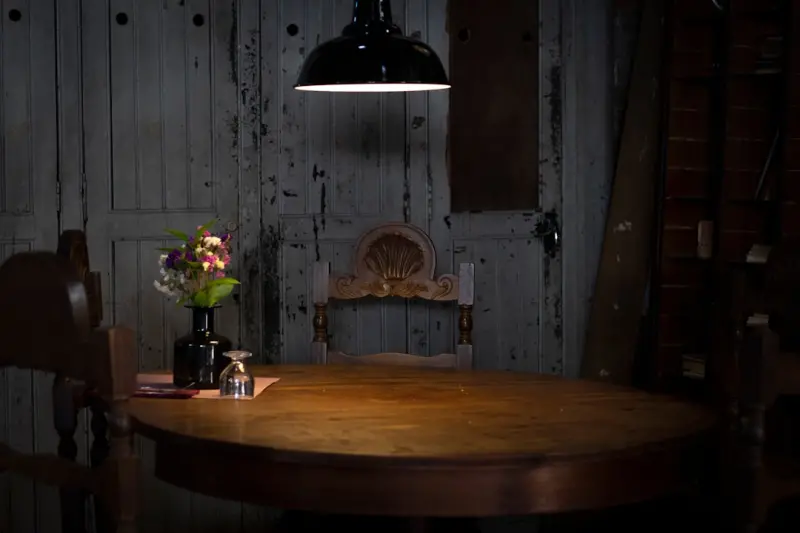
Reimagining Home Sanctuaries with Nature’s Rhythm
When I first opened the windows of my cramped city loft, I felt the room gasp for fresh air—as if the walls themselves were holding their breath. That moment sparked a shift in my design philosophy: interiors should do more than look good; they must support the body’s innate yearning for the natural world. By weaving living foliage, reclaimed wood, and mineral textures into everyday spaces, I’ve discovered a subtle alchemy that steadies the mind and lifts the spirit, turning a simple room into a quiet retreat.
Breath‑Focused Design Rituals
One of the most underrated tools in a designer’s kit is the power of scent and airflow, which can turn a static room into a living, breathing entity. I began pairing airy curtains with strategically placed indoor plants, allowing oxygen‑rich breezes to drift through, a practice I describe as “breath‑focused design.” For readers curious about extending this concept beyond décor, consider exploring breath‑focused design rituals that marry mindfulness with material choices, creating atmospheres that calm the nervous system.
Upcycling: From Discarded Objects to Story‑Rich Accents
My latest obsession is giving discarded treasures a second life as centerpiece décor, a practice that feels both sustainable and deeply personal. I once transformed an old ladder into a vertical garden, its rungs cradling cascading succulents that double as a living sculpture and a conversation starter. If you’re looking for inspiration on turning everyday waste into design gold, check out upcycling techniques for décor, where the narrative of each object adds layers of meaning to the space.
Sound as Sculpture: Crafting Acoustic Atmosphere
While visual aesthetics dominate most design discussions, the auditory environment silently shapes our experience of a room. I’ve started integrating acoustic panels that double as art—soft, wave‑shaped surfaces that absorb chatter while reflecting gentle tones of ambient music. This approach creates a rhythmic backdrop that encourages focus during work and serenity during relaxation, proving that sound can be as decorative as any fabric or finish.
Kinetic Furniture: Movement Meets Function
Static furniture often feels like an anchor that restricts the flow of energy in a room, so I’ve begun experimenting with pieces that can be easily reconfigured. Sliding panels, fold‑away desks, and swivel chairs allow occupants to reshape their environment throughout the day, mirroring the fluidity of natural ecosystems. Each movement feels intentional, inviting occupants to engage physically with their surroundings, which in turn nurtures a sense of agency and wellbeing.
Curating Memory‑Rich Spaces with Everyday Objects
Every object holds a story, and when we deliberately display those narratives, our interiors become living memoirs rather than mere backdrops. I line my shelves with heirloom ceramics, travel‑collected stones, and handwritten recipe cards, each piece whispering a chapter of my life. This practice transforms a room into a tactile timeline, fostering a deep emotional connection that static décor simply cannot achieve.
Lighting Choreography: Orchestrating Mood Through Illumination
Lighting, when orchestrated thoughtfully, can act as a conductor of mood, guiding our daily rhythms from sunrise to moonlight. I favor layered lighting—soft warm uplights for evenings, crisp daylight‑mimicking LEDs for productivity, and dimmable accent lamps for intimate moments. By programming these layers to shift with the time of day, the space feels alive, responding to our physiological needs without us even noticing.
The Holistic Design Checklist
To bring this philosophy into your own home, start with three simple steps: invite nature inside, consider the soundscape, and repurpose cherished items into functional art. Next, experiment with modular furniture that moves with you, and finish by curating a lighting plan that mirrors natural cycles. As you weave these elements together, you’ll notice a subtle transformation—rooms that no longer just look beautiful, but feel restorative.
Invitation to Experiment
Design is an ever‑evolving conversation between you and your space; I encourage you to treat each room as a laboratory for wellbeing. Share your experiments, ask questions, and let the community inspire you to push the boundaries of what interiors can do for the mind, body, and soul. Together, we can redefine the purpose of home design—making it a sanctuary that nurtures every facet of our humanity.

Jessica Gills is a freelance writer carving a niche for herself by empowering others through her words. With a focus on careers, self-development, and business, she helps readers navigate the complexities of the modern professional landscape.
Related Posts
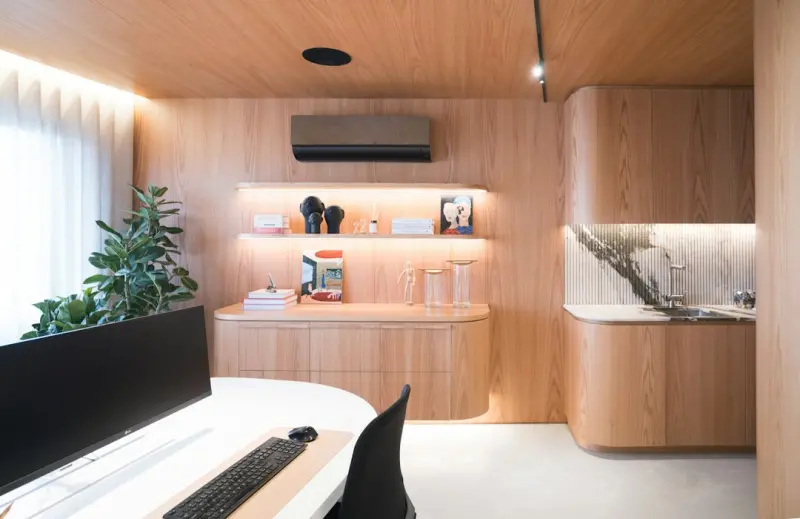
Designing a Flow‑Inducing Home Office: Biophilia, Sound, and Flexibility
Learn to turn your home office into a cognitive‑flow sanctuary by blending biophilic elements, aco... Read More

Designing Adaptive Multi‑Use Rooms for Modern Living
Discover practical strategies to transform a single room into a versatile haven for work, entertainm... Read More
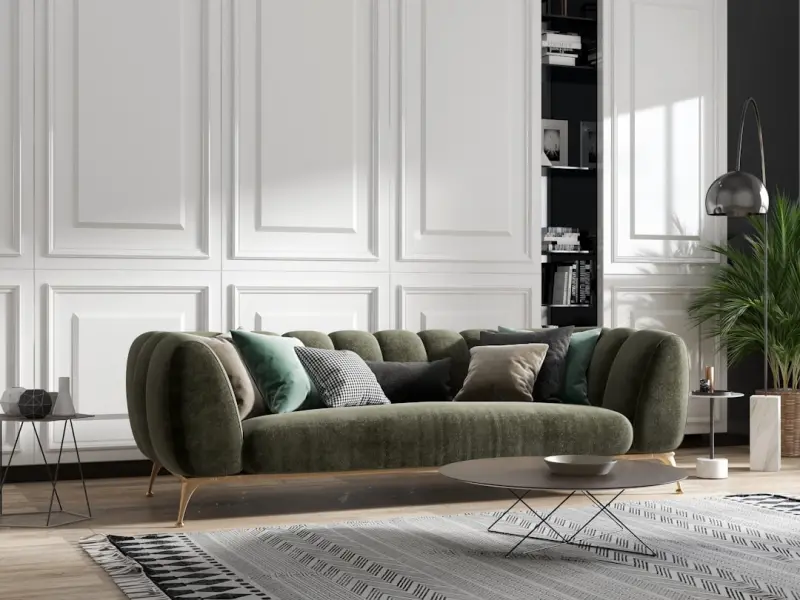
Designing for Neurodiversity: Inclusive Interiors That Empower Everyone
A deep dive into designing spaces that honor neurodiverse needs, covering lighting, acoustics, color... Read More
Top Posts

AI Co‑Pilots: How Intelligent Assistants Are Transforming Remote Collaboration
AI co‑pilots are reshaping remote work by providing proactive, context‑aware assistance across tools, reducing friction, and enhancing decision‑making whi...Read More

Why Curated Experiences Are the Gift Strategy CEOs Can’t Ignore
A deep dive into why experience‑centric gifts outshine traditional items, with actionable steps to build a scalable, data‑driven gifting program that streng...Read More
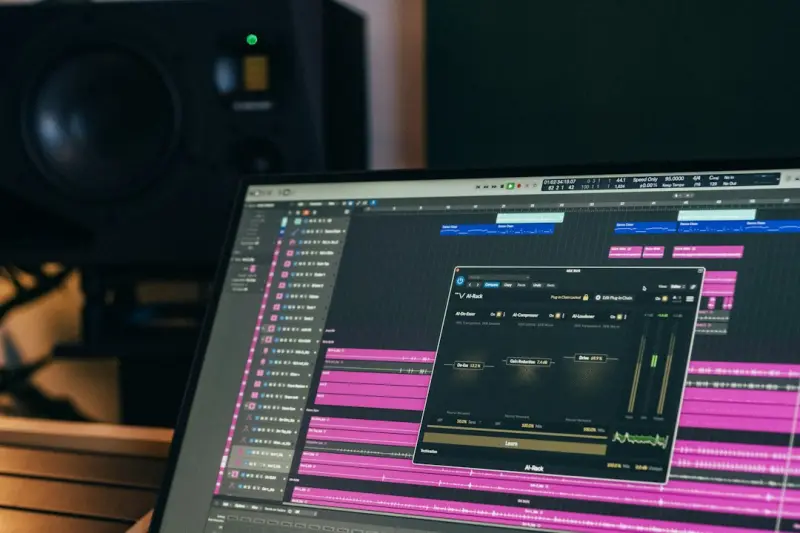
Amplify Your Brand: Mastering Audio‑First Social Platforms
Audio‑first social platforms are reshaping brand communication. This guide explains why voice is the new frontier, outlines strategic pillars, offers a realâ€...Read More

Why Modular Laptops Are the Secret Weapon for Tomorrow’s Workflows
Modular laptops let you upgrade CPU, GPU, battery, and more without replacing the whole device, offering a sustainable, cost‑effective path to future‑proof ...Read More
0 Comments
Post Comment
You will need to Login or Register to comment on this post!