

Designing Adaptive Multi‑Use Rooms
In today’s compact living environments, a single room often wears many hats—home office, workout studio, entertainment zone, and a sanctuary for unwinding. The challenge isn’t just fitting all those functions together; it’s about crafting a space that flows seamlessly from one activity to the next without feeling cramped or chaotic. I’ve spent years watching clients wrestle with cluttered rooms that scream “temporary” instead of “home,” and the answer always circles back to intentional, adaptive design that respects both form and function. By treating the room as a living organism rather than a static backdrop, you can create a backdrop that evolves with your lifestyle.
Before you rush to purchase modular sofas or hidden desks, start with a clear inventory of the room’s “spatial DNA.” Measure the floor, note ceiling height, and map out natural light patterns at different times of day; these variables dictate where a work surface can sit without glare or where a yoga mat can breathe. I like to sketch a simple floor plan on graph paper, assigning each square foot a potential activity—this visual audit reveals hidden pockets that can be activated with the right furniture. Understanding the room’s inherent rhythm lets you prioritize zones that truly need prominence while letting secondary functions gracefully recede when not in use.
Zoning without walls is a cornerstone of flexible interiors. Rugs, area lighting, and strategically placed shelving act as invisible borders that signal a shift in purpose without erecting permanent partitions. A low‑profile rug under a desk not only defines the work area but also cushions your feet, creating a subtle cue that you’re “in the zone.” Similarly, a floor‑to‑ceiling bookshelf can double as a room divider while providing storage, turning what could be a visual barrier into a functional asset that supports both reading nooks and display space.
When it comes to furniture, think modular and mobile. A sleek, flexible sofa with removable sections can transform into a chaise for movie nights or be reconfigured into separate seating for gatherings. Pair this with a fold‑away desk that tucks into a wall niche when not needed, and you have a room that literally folds itself to your schedule. I often recommend pieces on casters—lightweight, sturdy wheels that let you shuffle a credenza from a work zone to a dining spot in seconds, preserving floor space and keeping the aesthetic fluid.
Lighting is the unsung hero of multi‑use rooms, and layering it properly can make or break the experience. Ambient ceiling fixtures provide overall illumination, while task lighting—like adjustable LED desk lamps—focuses attention during work or reading. Accent lighting, such as wall‑mounted sconces, adds drama for evening relaxation. For a deeper dive into lighting tricks, explore light hacks that amplify mood without overhauling your electrical plan.
Acoustic comfort often gets overlooked, yet a room that reverberates can sabotage concentration and sleep alike. Soft furnishings—plush throws, thick curtains, and upholstered chairs—absorb sound, while strategically placed acoustic panels blend into the decor, muting echoes from a home‑office video call or a late‑night movie binge. In smaller apartments, even a bookshelf filled with books can act as a natural sound diffuser, turning a potential echo chamber into a cozy, quiet nook.
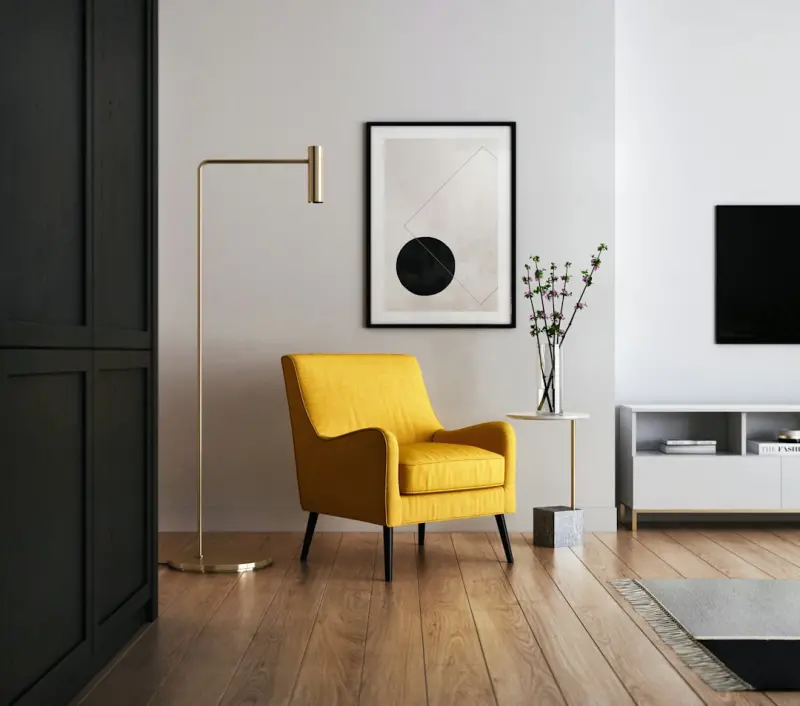
Color palette plays a psychological role, especially when a room serves multiple purposes. Neutral bases like warm greys or muted taupes provide a calming canvas, while splashes of bold hues—think a deep navy accent wall or a vibrant mustard chair—inject energy for creative bursts. I find that using a single color family across different zones creates visual cohesion, allowing the room to feel unified even as furniture and activities shift throughout the day.
Integrating biophilic touches bridges the gap between indoor functionality and outdoor serenity, a principle I’ve championed in many projects. A few well‑placed indoor plants not only improve air quality but also soften hard surfaces, making the room feel alive and inviting. For more ideas on weaving nature into interiors, check out biophilic touches that can reset your mind without stepping outside.
Finally, future‑proof your multi‑use room with smart tech that adapts to your routines. Voice‑controlled lighting scenes, wireless charging stations embedded in tables, and a discreet docking hub for laptops keep the space sleek and ready for any task. By building in flexibility now, you avoid costly remodels later, ensuring your room remains a versatile haven as life’s demands evolve.

David Moore is a freelance writer specializing in two dynamic and ever-evolving fields: gambling and the tech industry. With a keen eye for detail and a knack for unraveling complex topics, David delivers insightful and engaging content that keeps readers informed and entertained.
Related Posts

Designing a Sustainable Home: Fresh Trends that Blend Style and Eco‑Consciousness
Discover how to blend chic interiors with eco‑friendly choices—from reclaimed wood and smart lig... Read More
Curating Creative Flow: Interior Design Secrets for Modern Workspaces
Explore how thoughtful interior design—using light, texture, color, and sustainable materials—ca... Read More

Bringing the Outdoors In: Biophilic Design Strategies for Tiny Urban Homes
Explore how to use natural light, plants, textures, and smart accessories to turn a small urban apar... Read More
Top Posts

Why Plugins Are the New Growth Engine for SaaS Platforms
Plugins turn a static SaaS offering into a dynamic ecosystem, enabling modular flexibility, new revenue streams, and rapid innovation. This post outlines how to...Read More

Playful Futures: Sustainable, Smart, and Community‑Driven Toys Redefine Childhood
Discover the new wave of toys that blend sustainability, AI, and community collaboration, turning playtime into a catalyst for learning, connection, and environ...Read More

How Google’s AI Search Fuels B2B Success
Google’s new AI‑powered search isn’t just a better way to find answers—it’s a strategic lever for B2B SaaS companies. By aligning content with the Kno...Read More

Why WordPress Is the Secret Weapon for Building Scalable B2B SaaS Experiences
WordPress isn’t just for blogs; it can serve as the backbone of a scalable B2B SaaS product. Learn headless strategies, custom APIs, multi‑tenant patterns, ...Read More
0 Comments
Post Comment
You will need to Login or Register to comment on this post!