

Why Garden Therapy Works
When we step into a garden, the scent of damp earth and the rustle of leaves engage our senses in a way that screens never can, triggering a cascade of calming hormones that quiet the mind. Mindful gardening transforms routine tasks—watering, pruning, weeding—into meditative rituals, each motion anchoring us in the present moment and dissolving the chatter of daily stress. Scientific studies show that regular interaction with plants can lower cortisol levels, boost serotonin, and even improve focus, making the garden a natural antidote to overwhelm.
Designing a Sensory Sanctuary
The first step is to map out zones that cater to sight, sound, touch, and smell, ensuring that every corner offers a gentle invitation to pause. Planting aromatic herbs like lavender, rosemary, and mint near pathways provides fragrant cues that cue deep breaths, while tall grasses sway to create a soft rustling soundtrack that masks urban noise. For tactile delight, incorporate textures such as the smoothness of river stones, the fuzz of lamb’s ear, and the crispness of kale leaves, inviting curious hands to explore and ground themselves.
Lighting plays a subtle yet powerful role in extending the garden’s therapeutic reach after sunset. By integrating low‑energy light hacks for gardens—like solar lanterns nestled among shrubs or warm LED strips hugging a pergola—you create a tranquil ambience that encourages evening reflection without harsh glare. The gentle glow not only accentuates foliage but also signals the brain to transition toward relaxation, making nighttime gardening a soothing ritual rather than a chore.
Seasonal Practices to Sustain Calm
Each season offers its own palette of opportunities to deepen your garden practice, turning the passage of time into a rhythmic source of stability. In spring, focus on seed sowing and soil amendment, treating the act of turning compost as a symbolic renewal of personal intentions; in summer, embrace the rhythm of daily watering, using it as a moment to practice gratitude for growth. Autumn invites harvest celebrations, where sharing the bounty with neighbors reinforces community ties, while winter’s quiet dormancy encourages introspection and planning for the next cycle.
To keep the garden truly low‑impact, weave in green cleaning tips that protect soil health and biodiversity. Opt for natural mulches like shredded leaves or pine needles instead of synthetic fabrics, and employ rainwater barrels to reduce reliance on municipal water, ensuring that every drop nurtures both plants and the planet. By aligning garden maintenance with eco‑friendly habits, you create a space that nurtures the soul while honoring the environment.
Integrating Movement and Mindfulness
Physical movement in the garden amplifies its therapeutic benefits, turning simple chores into gentle exercise that boosts circulation and endorphin release. Consider a walking meditation along a winding garden path, pausing at designated “mindful stations” to inhale the scent of a blooming rose or listen to the hum of bees, allowing each step to become a grounding anchor. Incorporating low‑impact activities like yoga on a grass mat or tai chi beside a water feature further deepens the mind‑body connection, fostering a holistic sense of well‑being.
Creating a Personal Narrative
A garden becomes truly restorative when it reflects your personal story, serving as a living journal of growth, loss, and triumph. Label each planting bed with a word or phrase that resonates—“Resilience,” “Hope,” “Joy”—and watch as the plants embody those qualities, offering visual reminders of your inner journey. Seasonal journals can track not only plant performance but also emotional shifts, turning horticultural successes and setbacks into valuable insights for personal development.
Harvesting Mindful Moments
The act of harvesting is a powerful metaphor for reaping the rewards of intentional effort, and it can be transformed into a mindful ceremony that celebrates both produce and progress. Before cutting any vegetable or fruit, pause to acknowledge the sun, soil, and water that made it possible, then handle the harvest with gratitude, feeling the weight of each item as a tangible representation of patience. This ritual reinforces a sense of abundance and encourages a mindset of thankfulness that extends beyond the garden gate.
Sharing the Sanctuary
Extending the garden’s calm beyond its borders amplifies its impact, turning a private refuge into a communal haven. Host small, informal gatherings—like a tea party among the herb rows or a seed‑exchange workshop—to invite friends and neighbors into the tranquil space, fostering connection and shared stewardship. These gatherings not only spread the therapeutic benefits but also cultivate a supportive network that values nature’s healing power, ensuring the garden’s serenity ripples through the wider community.
Maintaining the Flow Year‑Round
Consistency is key to preserving the garden’s calming influence, so develop a simple, adaptable routine that fits your lifestyle and evolves with the seasons. Schedule brief, daily check‑ins—perhaps a five‑minute stroll at sunrise—to assess plant health, adjust watering, and simply breathe in the fresh air, turning the garden into a daily anchor point. By honoring this rhythm, the garden becomes a steadfast source of calm, a living testament that nurturing the earth also nurtures the self.

Freelance writer with a flare for everything. I am passionate about topics I write crafting stories and compelling content that connect with audiences. Journeying through the realms of creativity as a freelance creator. #WriterLife #ContentCreator
Related Posts

Cultivating a Sustainable Garden: From Soil to Soul
Explore the art of sustainable gardening, from soil health to community plots, and learn how mindful... Read More
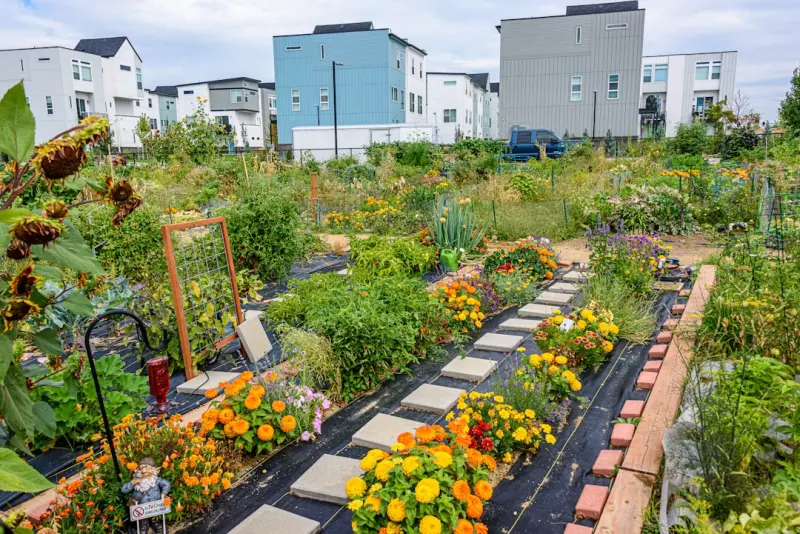
Cultivating Resilience: How Modern Gardens Thrive Amid Uncertainty
Explore how to build a resilient garden through soil health, climate‑smart design, native plants, ... Read More

How to Turn Your Backyard into a Living Lab for Curiosity
Treat your garden as a living laboratory where questions drive experiments, observations become narr... Read More
Top Posts

Designing Spaces That Breathe: How Biophilic Interiors Boost Well‑Being and Performance
Discover the power of biophilic interior design—from strategic plant placement to sensory branding—and learn practical steps to create healthier, more produ...Read More

Unlocking Browser Power: How WebAssembly Is Redefining Front‑End Development
Explore why WebAssembly is becoming essential for high‑performance web apps, from choosing the right language to real‑world use cases and future trends....Read More

Why Gig Workers Need a New Kind of Insurance Partner
Traditional policies don’t fit gig workers. This post explains how insurers can use real‑time data, community risk pools, and platform integration to create...Read More

Micro‑Communities: The Quiet Force Redefining Urban Belonging
Discover the rise of micro‑communities—small, intentional groups that foster deeper connections, digital safety, and local economies—transforming how we b...Read More
0 Comments
Post Comment
You will need to Login or Register to comment on this post!