
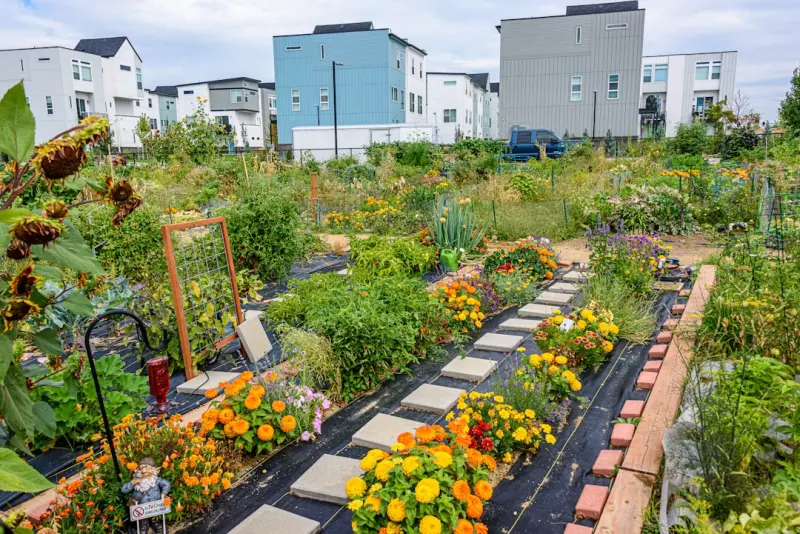
Why Gardens Need a Resilience Mindset
When I first dug a raised bed in my suburban backyard, I thought of gardening as a simple hobby—a weekly ritual of watering, weeding, and waiting. Over the years, however, the garden has become a living laboratory for how we can thrive when the world feels increasingly unstable. From erratic weather patterns to supply‑chain hiccups that make seed packets scarce, the modern gardener must think like an engineer, an ecologist, and a futurist all at once.
The Soil Story: From Commodity to Community
Soil is the unsung hero of any garden. It’s not just a medium for roots; it’s a bustling metropolis of microbes, fungi, and insects that together form a resilient ecosystem. Traditional gardening advice often treats soil as a static substrate—add compost, test pH, and you’re set. That mindset is outdated. Today, we need to cultivate soil health as an ongoing, dynamic process. Here’s how:
- Microbial inoculants: Commercial blends of beneficial bacteria and mycorrhizal fungi can jump‑start a struggling soil, especially after a season of heavy tillage.
- Cover cropping: Planting legumes, rye, or clover in the off‑season protects the soil from erosion, fixes nitrogen, and provides a food source for beneficial insects.
- Living mulches: Low‑growth groundcovers like creeping thyme or clover suppress weeds, retain moisture, and keep the soil’s food web active year‑round.
When you treat soil as a community rather than a commodity, you’re building the first line of defense against drought, disease, and nutrient loss.
Designing for Climate Variability
Climate change isn’t a distant threat; it’s a present reality that shows up as unexpected frosts, scorching heatwaves, and irregular rainfall. A resilient garden anticipates these swings.
One approach is micro‑climate zoning. By mapping out sunny spots, wind‑protected corners, and shaded areas, you can match plant species to the most suitable micro‑environment. For instance, place heat‑loving tomatoes in the sunniest quadrant, while tucking tender basil and lettuce into cooler, east‑facing beds.
Another tactic is rain‑water harvesting. Installing a simple barrel or a larger underground cistern gives you a buffer during dry spells. Pair that with drip irrigation, which delivers water directly to the root zone, reducing evaporation and runoff.
Native Plants: The Unsung Resilience Champions
Native flora have evolved alongside local pests, pollinators, and climate conditions. By incorporating native perennials, shrubs, and grasses, you tap into a plant’s built‑in resilience. Moreover, natives provide critical habitat for bees, butterflies, and beneficial predatory insects that naturally keep garden pests in check.
Take the Eastern Redbud, for example. It blossoms early in the season, offering nectar when few other plants are flowering. This early food source supports pollinators that later visit your fruit‑bearing vines. The result is a self‑reinforcing cycle that reduces the need for supplemental pollinator habitats.
Regenerative Practices for Long‑Term Health
Regeneration goes beyond sustainability—it seeks to improve the ecosystem with each harvest. Key practices include:
- No‑till or low‑till techniques: Minimizing soil disturbance preserves the fungal networks that help plants access nutrients.
- Compost tea sprays: Diluted liquid compost can be used as a foliar spray, delivering microbes directly onto plant leaves to fight disease.
- Polyculture planting: Growing complementary species together—like the classic “three sisters” of corn, beans, and squash—optimizes space, nitrogen use, and pest resistance.
These methods transform the garden from a plot of land you “use” into a system you “nurture”.
Technology Meets Trowel: Smart Tools for the Modern Gardener
While I cherish the tactile pleasure of feeling soil between my fingers, I can’t deny the value of data. Sensors that monitor soil moisture, temperature, and even nutrient levels are becoming affordable enough for the average homeowner.
When paired with a smartphone app, these sensors can send you alerts—“Your tomatoes are entering a water‑stress zone” or “A fungal pathogen is likely forming on your cucumbers.” This real‑time feedback lets you intervene before a problem becomes visible, saving both crop yield and time.
If you’re curious about how tech can be integrated thoughtfully, read this piece. It explores the principles of eco‑conscious design that can be applied not only to software but also to garden tech.
Community Gardens: Scaling Resilience Beyond the Backyard
One garden can only do so much, but a network of community plots can amplify impact. Shared spaces foster knowledge exchange, bulk seed purchasing, and collective advocacy for green infrastructure in cities.
Start small: partner with a local school or church to transform an unused lot into a learning garden. Use the space to run workshops on composting, seed saving, and drought‑tolerant planting. Over time, the garden becomes a hub for community resilience, providing fresh produce, educational opportunities, and a green sanctuary that improves mental health.
Economic Resilience: Growing Your Own Food to Cut Costs
Food prices can fluctuate dramatically due to global market shifts. By producing a portion of your own food, you create a financial buffer. Even a modest 10‑square‑meter plot can yield enough beans, lettuce, and herbs to offset a noticeable portion of grocery bills.
Strategic planning is key. Focus on high‑value, fast‑growing crops that you use regularly. For example, herbs like basil, cilantro, and mint can be harvested continuously throughout the season, reducing the need to buy expensive fresh packages.
Future‑Proofing with Vertical and Container Systems
Urban dwellers often lack horizontal space, but vertical gardening opens a new frontier. Using stacked planters, wall‑mounted pockets, or hydroponic towers, you can produce a surprising amount of food on a balcony or rooftop.
Container gardening also adds flexibility. If a heatwave threatens a sensitive crop, you can move the container to a shadier spot or into a garage. This mobility is a practical expression of resilience—your plants aren’t tied to a fixed plot that could become inhospitable.
Integrating Wildlife Corridors
Resilient gardens aren’t isolated islands; they should connect with surrounding habitats. Planting a line of native shrubs or installing a small pond creates a corridor for birds, amphibians, and beneficial insects.
These corridors serve multiple purposes: they attract pollinators, provide natural pest control, and enhance biodiversity. In the long run, they make your garden less dependent on chemical interventions and more in harmony with the larger ecosystem.
Mindset Shift: From Control to Co‑Creation
The biggest transformation is internal. Gardeners often feel the need to control every variable—exact watering schedules, precise pruning dates, and meticulous pest eradication. While precision has its place, an overly controlling mindset can backfire when unexpected events strike.
Instead, adopt a co‑creative approach. Observe, learn, and adapt. When a sudden frost kills half of your seedlings, view it as a data point rather than a failure. Adjust your planting calendar, add frost‑protective row covers, or select more cold‑hardy varieties for the next season.
For those who love to blend technology and gardening, read this piece to see how edge‑driven analytics can inform real‑time garden decisions—without turning your garden into a sterile data farm.
Conclusion: Planting the Seeds of Resilience
Resilience isn’t a one‑off project; it’s a lifelong practice of observation, adaptation, and stewardship. By treating soil as a community, designing for climate variability, embracing native and regenerative practices, and leveraging smart tools, you create a garden that can weather uncertainty—both environmental and economic.
Remember, the most resilient gardens are those that evolve with the seasons, the climate, and the people who tend them. When you plant with intention, you’re not just growing food; you’re cultivating a future that can bounce back, no matter what challenges arise.

Jim Pearse, a seasoned freelance writer, brings a wealth of knowledge and passion to the world of home and garden. From the intricacies of landscaping to the nuances of interior design, Jim delves into every aspect of creating comfortable, beautiful, and functional living spaces.
Related Posts
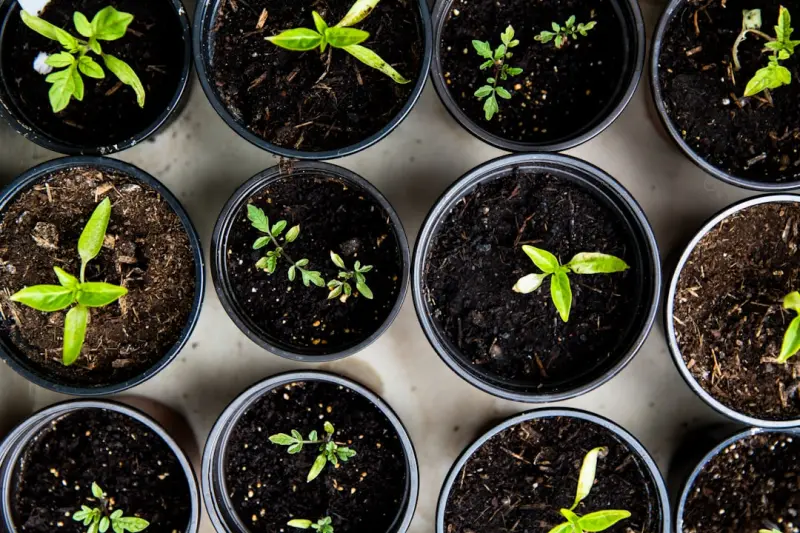
Rooftop Harvest: Turning City Roofs into Year‑Round Food Gardens
Learn to convert city rooftops into productive gardens, using smart soil mixes, rain‑catching irri... Read More

From Balcony to Bounty: Crafting a Resilient Urban Herb Garden
Discover a step‑by‑step approach to turning a small balcony into a productive herb garden, cover... Read More
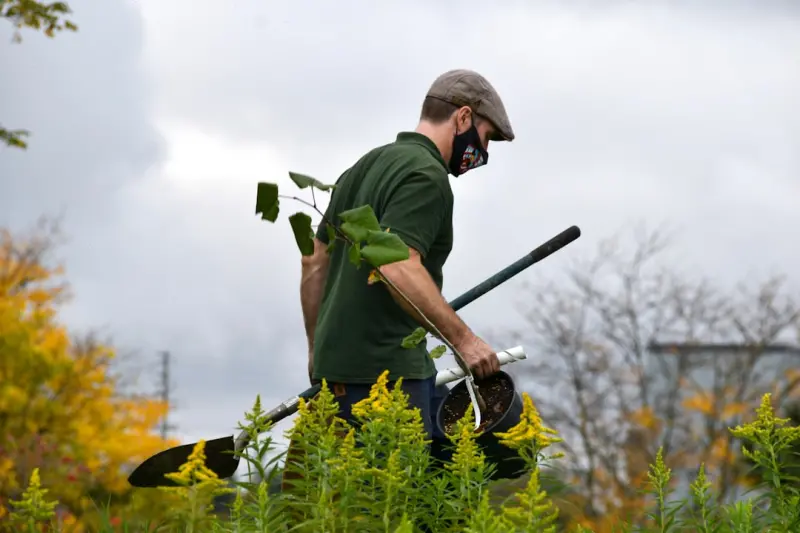
How Data-Driven Gardening is Transforming Small Urban Spaces
Learn how to turn a balcony or windowsill into a productive garden with affordable sensors, AI-drive... Read More
Top Posts

The Silent Power of Predictive Send Timing: How AI Is Redefining Email Open Rates
Predictive send timing leverages AI and behavioral data to deliver emails at each subscriber’s optimal moment, dramatically increasing open rates, click‑thr...Read More

Beyond the Prompt: A Human‑First Playbook for AI‑Powered Online Safety
A step‑by‑step guide shows how to safeguard sensitive information while leveraging AI assistants, covering prompt engineering, secure hardware, logging, and...Read More

Micro‑Community Mastery: Turning Niche Tribes into Brand Powerhouses
Learn the strategy behind micro‑communities, how to find them, leverage micro‑influencers, and turn intimate groups into loyal brand champions....Read More

Green Clean Hacks for Renters & Shared Spaces
Discover sustainable cleaning solutions tailored for renters and shared living, featuring reusable tools, multi‑surface DIY cleaners, smart appliance integrat...Read More
0 Comments
Post Comment
You will need to Login or Register to comment on this post!