
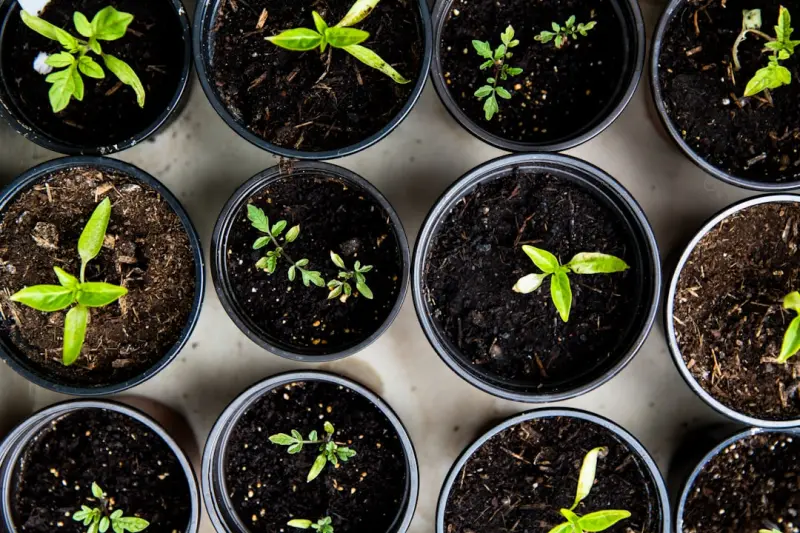
Why the City Skyline Is the Next Frontier for Food Production
As concrete jungles expand, the untapped potential of flat rooftops and balconies offers a surprisingly resilient solution to urban food insecurity, allowing city dwellers to grow fresh produce where space was once thought impossible; this shift not only reduces the carbon footprint of transporting groceries but also reconnects people with the rhythmic cycles of planting and harvesting, fostering a tangible sense of stewardship over the environment. Rooftop gardens become living laboratories where soil, sun, and smart design converge, turning otherwise idle structures into thriving ecosystems that can supply households with nutrient‑dense greens, herbs, and even fruit year‑round.
Assessing Your Vertical Canvas: Roofs, Balconies, and Sunlight Exposure
Before the first seed is sown, a pragmatic assessment of load‑bearing capacity, wind patterns, and sun trajectories is essential; a simple tilt‑meter and a brief consultation with a structural engineer can reveal whether a rooftop can safely support the weight of containers, water, and mature plants, while a sun‑tracking app helps identify the zones that receive at least six hours of direct light—critical for most vegetables and fruiting plants. By mapping these variables, you can strategically allocate high‑light zones for sun‑loving tomatoes and peppers, and reserve shaded corners for leafy greens that thrive in cooler, indirect light.
Crafting the Perfect Soil Mix for Container Gardening
Because rooftop gardens rely on containers rather than native ground, the soil medium must strike a balance between drainage, aeration, and nutrient retention; a proven recipe blends equal parts high‑quality compost, coconut coir, and perlite, creating a lightweight yet fertile substrate that prevents waterlogging while holding enough moisture for root development. Adding a slow‑release organic fertilizer at planting time ensures a steady supply of nutrients, and incorporating mycorrhizal fungi inoculant can dramatically improve plant resilience and yield, especially in the constrained root zones typical of pots.
Smart Water Management: From Rain Harvest to Automated Irrigation
Water is the lifeblood of any garden, and on rooftops where runoff is abundant, installing a modest rain‑catchment system paired with a gravity‑fed drip network can slash municipal water use while delivering consistent moisture directly to the root zone; a simple rain barrel equipped with a leaf filter and a float valve regulates flow, while battery‑powered timers linked to moisture sensors trigger irrigation only when soil dryness exceeds preset thresholds. This precision not only conserves water but also reduces the risk of fungal diseases caused by over‑watering, creating a healthier micro‑environment for delicate seedlings and mature plants alike.
Selecting Plant Varieties for Continuous Harvests
Choosing cultivars that mature quickly and tolerate container life cycles is paramount for a productive rooftop garden; varieties like ‘Bush Early Girl’ tomatoes, ‘Patio’ peppers, and dwarf ‘Blueberry’ bushes are bred specifically for limited space, offering abundant fruit without sprawling roots, while leafy greens such as 'Buttercrunch' lettuce and 'Mizuna' kale can be harvested leaf‑by‑leaf over weeks, ensuring a steady supply of fresh greens even during colder months. Interplanting fast‑growing radishes alongside slower‑maturing carrots maximizes space efficiency, as the radishes are harvested before the carrots require the full depth of the container.
Companion Planting: Nature’s Integrated Pest Management
Integrating companion plants creates a self‑regulating ecosystem that minimizes pest pressure without resorting to chemical sprays; marigolds exude compounds that repel nematodes, while basil placed near tomatoes deters whiteflies and enhances flavor, and aromatic herbs such as thyme and rosemary act as natural barriers against aphids. By arranging these allies in a deliberate mosaic—tall tomato stakes flanked by basil, low‑lying lettuce bordered with chives—you cultivate biodiversity that confuses pests, attracts beneficial insects, and ultimately reduces the need for external interventions.
Harvest, Preserve, and Celebrate Your Urban Bounty
Once the first fruits appear, the real joy of rooftop gardening begins, and knowing how to harvest at peak ripeness preserves flavor and nutritional value; tomatoes should be picked when they yield a gentle give to fingertip pressure, while leafy greens are best cut in the early morning to retain crispness. Extending the harvest season through simple preservation methods—such as fermenting cucumbers into pickles, drying herbs for teas, or freezing surplus berries—ensures that the garden’s bounty continues to enrich meals long after the growing season ends, turning a modest rooftop into a year‑round pantry.
Community Building and Scaling the Rooftop Movement
Beyond personal gain, rooftop gardens serve as catalysts for neighborhood cohesion, inviting shared stewardship through communal planting days, seed swaps, and harvest festivals that strengthen social bonds; collaborating with local schools or food banks can amplify impact, providing fresh produce to those in need while teaching younger generations the fundamentals of sustainable agriculture. As more buildings adopt green roofs, municipalities can incentivize the practice through tax credits and streamlined permitting, creating a virtuous cycle where urban agriculture becomes a cornerstone of resilient city planning.
Future‑Proofing Your Garden with Technology and Design
Embracing emerging tools such as smart garden dashboards that visualize moisture levels, temperature, and growth metrics empowers even novice growers to make data‑driven decisions, while modular, stackable planters crafted from recycled plastics ensure that your garden can expand vertically as your skill set grows; pairing these innovations with thoughtful design—like integrating solar panels to power irrigation pumps—creates a self‑sustaining micro‑farm that not only feeds families but also showcases the harmony between technology and nature in the modern urban landscape.

Dale Peterson is a freelance writer with a passion for technology, travel, law and personal finance. With 10 years of experience crafting compelling and informative content, he's dedicated to delivering high-quality writing for Blogging Fusion that engages audiences and achieves specific goals.
Related Posts
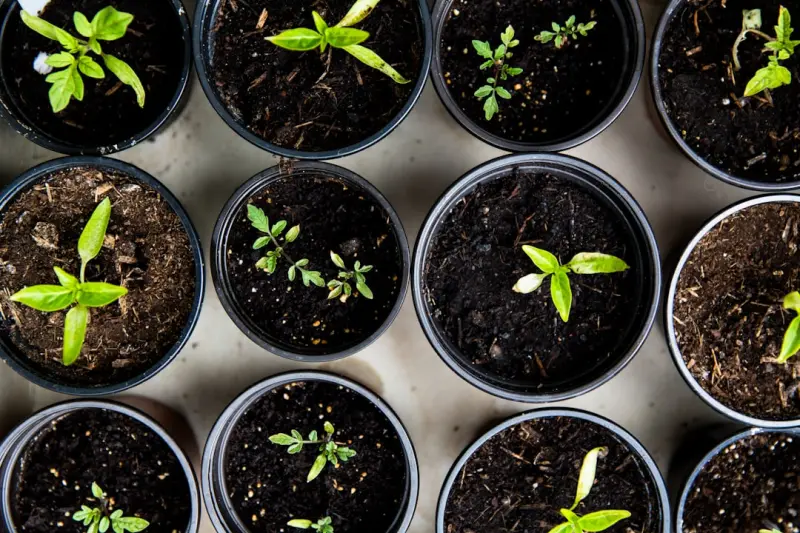
How to Turn Your Backyard into a Living Lab for Curiosity
Treat your garden as a living laboratory where questions drive experiments, observations become narr... Read More
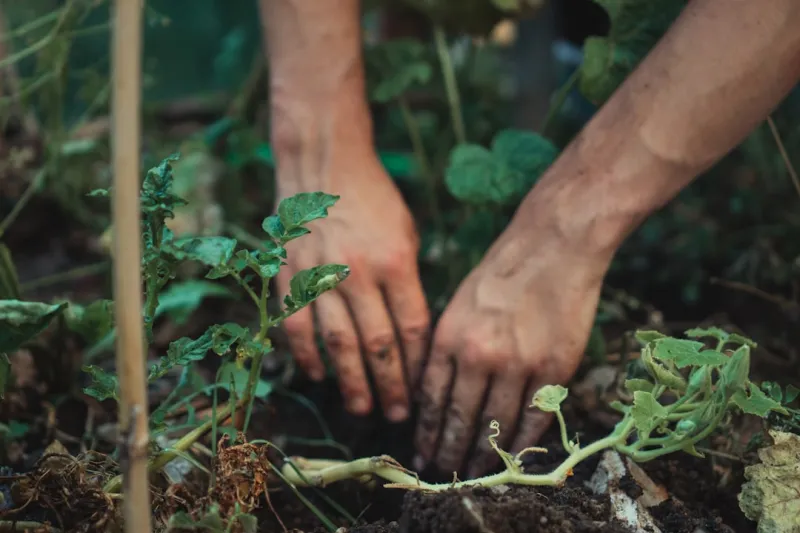
Cultivating a Sustainable Garden: From Soil to Soul
Explore the art of sustainable gardening, from soil health to community plots, and learn how mindful... Read More
From Seed to Sanctuary: Turning Tiny Terraces into Thriving Gardens
Learn how to turn a modest balcony into a calming garden oasis using reclaimed materials, layered so... Read More
Top Posts

Designing a Home Sanctuary Without Adding More Stuff
A step‑by‑step guide to declutter, use natural light, create purposeful zones, and integrate smart yet simple design elements that turn any home into a peac...Read More

When “Free” Isn’t Free: Unmasking the SaaS Trial Scam
Free SaaS trials often hide integration fees, data harvesting, and lock‑in mechanisms. This guide reveals the hidden costs and offers a step‑by‑step check...Read More

Beyond Passwords: Building a Human‑Centric Fortress for Online Safety
Discover a new playbook for online safety that moves beyond passwords, leveraging contextual authentication, AI assistants, and a culture of vigilance to protec...Read More

The Hidden Edge: Sensory Rituals That Elevate Athletic Performance
Explore the power of visual, auditory, olfactory, tactile, and taste cues in sports performance. Learn how to craft personal sensory rituals that sharpen focus,...Read More
0 Comments
Post Comment
You will need to Login or Register to comment on this post!