
Why Gardening Is the Heartbeat of Sustainable Living
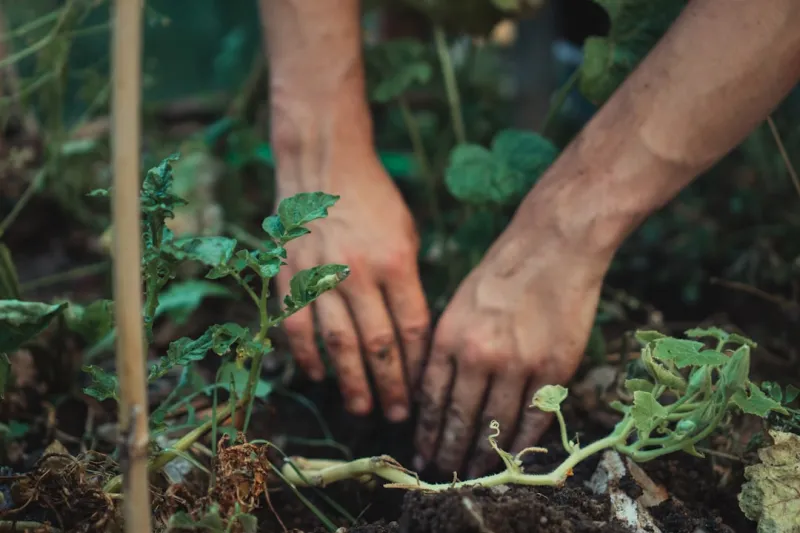
When I first stepped onto my backyard plot, I felt the soil pulse like a living organism, reminding me that every seed I plant is a promise to the planet and to myself; this connection is why gardening has become my most powerful sustainability practice. In a world flooded with disposable goods, the act of nurturing a plant from seed to harvest offers a tangible counter‑balance, showing that growth can be slow, intentional, and regenerative. I’ve learned that the simple rhythm of watering, weeding, and watching green shoots push through the earth re‑anchors my daily choices, turning a hobby into a daily meditation on responsibility.
Designing a Garden That Nurtures Soil and Soul
My garden design begins with the principle of “soil first,” because healthy soil is the foundation for resilient plants, thriving ecosystems, and reduced chemical reliance; I map out raised beds, mulched pathways, and companion‑plant zones to create micro‑habitats that invite pollinators and beneficial insects. By layering organic matter, leaf litter, and compost, I coax the soil microbiome to flourish, resulting in richer humus that holds moisture and nutrients longer than any synthetic fertilizer could. This approach not only reduces water use but also creates a calming visual tapestry that invites me to pause, breathe, and feel the subtle shift of seasons in each leaf and blossom.
Choosing Plants for Climate Resilience
Selection is a thoughtful dialogue between climate data and personal taste; I gravitate toward native perennials and drought‑tolerant varieties that have evolved to thrive in my region’s temperature swings and precipitation patterns, ensuring that my garden remains vibrant with minimal intervention. Incorporating deep‑rooted grasses, hardy herbs, and fruiting shrubs not only diversifies the harvest but also stabilizes the soil against erosion, creating a living buffer against extreme weather events. By planting a mosaic of bloom times, I sustain a continuous food source for bees and butterflies, which in turn improves pollination success for my vegetables and flowers alike.
Water Wisdom: Harvesting and Conservation
One of the most rewarding lessons I’ve learned is that water, the lifeblood of any garden, can be captured, stored, and delivered with precision, dramatically cutting my municipal bill and conserving a precious resource; I installed a rain barrel system beside the shed, directing roof runoff into a covered cistern that feeds a drip‑irrigation network. Drip lines, paired with moisture‑sensing timers, allow each plant to receive just the right amount of water at the root zone, eliminating wasteful runoff and leaf wetness that often invites disease. This mindful irrigation practice not only safeguards my plants during dry spells but also teaches my family the value of every drop, turning a simple garden chore into an act of stewardship.
Composting: Turning Kitchen Scraps Into Soil Gold
My kitchen has become a secondary garden, where fruit peels, coffee grounds, and spent tea bags are diverted from the trash and fed into a three‑bin compost system that hums quietly in the corner of the yard, breaking down organic matter into dark, crumbly humus that enriches my beds. By balancing greens and browns, maintaining aeration, and monitoring temperature, I accelerate the decomposition process, producing nutrient‑dense compost in as little as eight weeks, which I then amends into new planting holes to give seedlings an immediate boost. This closed‑loop cycle not only reduces landfill waste but also reinforces the principle that everything we consume can return to the earth in a beneficial form.
Integrating Edible Landscapes Into Everyday Spaces
Blurring the line between ornamental and edible, I have woven herbs, fruit trees, and salad greens into the aesthetic fabric of my garden, creating a landscape that looks as beautiful as it tastes; lavender borders soften pathways while also repelling pests, and dwarf citrus trees provide fragrant blossoms that attract pollinators and deliver fresh fruit at the kitchen counter. This edible‑first design philosophy extends to container gardens on the patio, where I grow cherry tomatoes and basil in reclaimed wooden crates, turning spare spaces into productive mini‑farms that supply my meals with flavor and nutrition. The visual appeal of a thriving edible garden reinforces the idea that sustainability can be both functional and delightful.
Tech Tools That Empower Green Thumbs
Modern technology has become an unexpected ally in my gardening journey, offering data‑driven insights that help me fine‑tune every decision; I rely on a smartphone app that syncs with my soil sensor to monitor pH, moisture, and temperature in real time, alerting me when conditions drift from optimal ranges. These smart tools, highlighted in the smartphone trends that empower a sustainable lifestyle article, also connect me to a community of gardeners who share tips, troubleshoot issues, and celebrate harvests, turning solitary work into a collaborative experience. By embracing digital precision, I reduce trial‑and‑error, conserve resources, and gain confidence in expanding my garden’s scope each season.
Community Gardens: Growing Connections and Purpose
Beyond my backyard, I volunteer at a nearby community garden, a shared plot that serves as a hub for neighbors of all ages to exchange seeds, stories, and seasonal recipes, embodying the spirit of collective stewardship that I champion in my own space. This collaborative environment mirrors the ideas explored in networking for a sustainable future, where purpose‑driven connections amplify impact, turning individual effort into a ripple effect that benefits the wider neighborhood. Together, we host workshops on composting, rainwater harvesting, and pollinator planting, empowering participants to replicate sustainable practices at home and fostering a sense of belonging rooted in shared growth.
From Garden to Home: Extending Sustainability Indoors
What begins outdoors doesn’t have to stop at the fence line; I bring the garden’s ethos inside by displaying potted herbs on the kitchen windowsill and incorporating reclaimed wood shelves that showcase dried bouquets, echoing the principles of sustainable home décor and creating a seamless flow between interior and exterior spaces. These living elements purify indoor air, add aromatic delight, and serve as daily reminders of the cycles of growth I nurture outside, reinforcing a holistic lifestyle where every room participates in the sustainability narrative. By aligning my home’s aesthetic with my garden’s purpose, I cultivate an environment that nurtures both soul and planet.
Living the Garden Lifestyle Every Season
Seasonality has taught me to embrace change, planning each phase of the garden calendar with foresight and flexibility, so that winter’s quiet dormancy gives way to spring’s burst of seedlings, summer’s abundance of fruit, and autumn’s bounty of harvest and leaf mulching; this rhythm mirrors life’s own cycles, encouraging patience, gratitude, and a readiness to adapt. As I rotate crops, sow cover crops, and prepare the soil for the next year, I feel a deep connection to the earth’s timing, reminding me that sustainability is not a static goal but an evolving practice that requires constant learning and humility. My garden, in turn, gifts me fresh produce, fragrant herbs, and a sanctuary of green that nourishes my body, mind, and the planet.

In the world of freelance writing, where creativity and adaptability are paramount, Michelle Fisher stands out as a dedicated and versatile professional. With a passion for crafting compelling narratives and a keen eye for detail, Michelle has established herself as a trusted voice.
Related Posts
Growing a Greener Tomorrow: My Journey with Gardening
Gardening has been a transformative experience for me, and I believe that it can be for others as we... Read More
Sustainable Gardening: Nurturing a Greener Future
Sustainable gardening is an excellent way to make a positive impact on the environment. Learn how to... Read More
Growing a Greener Tomorrow: How Sustainable Gardening Can Transform Your Life
Sustainable gardening offers a powerful opportunity to transform our lives and create a more sustain... Read More
Top Posts

Raising the Next Generation of Eco-Warriors: A Guide to Sustainable Parenting
Raising eco-conscious kids starts with sustainable parenting. Learn how to instill values of sustainability, compassion, and social responsibility in your child...Read More

Holistic Health Hacks: Sustainable Practices for Everyday Vitality
Explore sustainable health habits—from mindful movement to gut‑friendly foods—that empower lasting vitality and align your body with the planet....Read More

Networking in the Age of Sustainability: Shawn DesRochers’ Playbook for Meaningful Connections
Shawn DesRochers shares his insider playbook for forging genuine, sustainability‑centric connections, turning every conversation into a catalyst for greener c...Read More

The Power of Sustainable SEO: A Guide to Eco-Friendly Digital Marketing
Sustainable SEO is a critical component of digital marketing. Learn how to adopt eco-friendly strategies to reduce your carbon footprint and improve your brand ...Read More
0 Comments
Post Comment
You will need to Login or Register to comment on this post!