
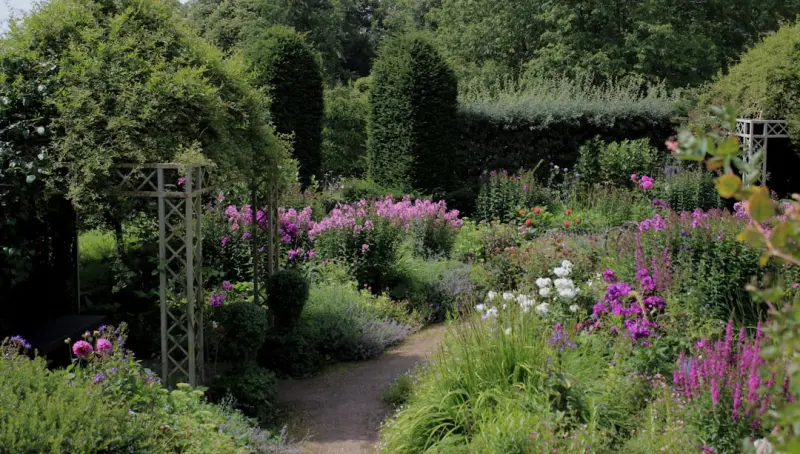
Planting Stories: Turning Your Garden Into a Living Narrative
When I first dug a hole for a rosemary seedling, I wasn’t just thinking about herbs for the kitchen—I was planting a character in a story that would unfold season after season. Gardens are more than collections of plants; they’re chapters, scenes, and dialogues that we, as caretakers, write with soil, light, and intention. In this post I’ll explore how to treat every planting decision as a narrative choice, how to let the changing landscape become a visual memoir, and why this storytelling mindset can deepen both personal fulfillment and professional authenticity.
1. Define Your Garden’s Theme Before the First Seed
Just as a writer drafts a premise, start with a clear theme for your garden. Ask yourself: Do you want a sanctuary of calm, a bold statement of color, or a tribute to a heritage you cherish? Your theme will guide everything from plant selection to layout. For example, a “heritage garden” might feature heirloom tomatoes, ancient apple varieties, and ornamental grasses that echo the past. A “modern kinetic garden” could lean on sculptural succulents, geometric pathways, and motion‑activated water features that reflect a futuristic aesthetic.
Tip: Sketch a rough map on paper or a digital canvas. Mark zones for shade, sun, and transitional spaces. This visual planning anchors your theme and prevents ad‑hoc additions that dilute the story.
2. Choose Plants as Characters with Distinct Voices
Every plant brings its own personality—some whisper with delicate foliage, others shout with bold blooms. Think of them as characters that interact:
- Quiet introverts: Hostas, ferns, and lungwort thrive in shade, offering subtle texture.
- Charismatic protagonists: Peonies, roses, and dahlias demand attention with dramatic flower displays.
- Supporting cast: Groundcovers like creeping thyme or sedum provide continuity and help bind scenes together.
When you assign roles, you can craft narrative arcs: a shy fern may gradually give way to a towering sun‑loving lupine, symbolizing growth and transformation. This approach also helps you plan succession planting—knowing which characters will take center stage and which will fade gracefully.
3. Seasonal Plot Twists: Embrace Change as Part of the Story
A static garden is a boring story. The real magic happens when you welcome the inevitable plot twists that each season offers. In spring, you might introduce early bloomers like crocuses to set the stage. Summer brings the climax with explosive color from hibiscus or lantana. Autumn provides resolution as foliage turns amber, and winter offers a reflective epilogue with evergreens and ornamental bark.
Use this cyclical rhythm to schedule planting, pruning, and harvesting events that become milestones in your garden’s narrative calendar. Keep a simple log—perhaps a visual storytelling board—to capture moments, like the first bud of a Japanese maple or the day a pollinator discovers a new flower.
4. Narrative Pathways: Guiding Readers Through Your Plot
Pathways are the plot lines that lead visitors through your garden’s story. Curved walkways suggest mystery, straight lines evoke order, and stepping stones can create pauses for contemplation. Position them strategically so that each turn reveals a new “scene”: a hidden bench beside a fragrant lavender border, a reflective pond framed by weeping willows, or a trellis that frames a sunset view.
Consider layering sensory experiences—sound from rustling grasses, scent from aromatic herbs, texture underfoot from mulched paths. These layers act like sub‑plots, enriching the main narrative and encouraging repeat visits, much like readers returning to a compelling series.
5. Integrating Technology Without Overpowering Nature
While the garden’s story should feel organic, subtle tech can enhance the experience without breaking immersion. Smart soil sensors can alert you when moisture levels dip, ensuring your characters stay healthy. QR codes placed on plant markers can link to short videos or stories about the plant’s origin, turning a casual stroll into an interactive narrative.
However, keep technology in the background. The goal is to let the garden speak for itself, with tech acting as an unobtrusive narrator rather than a dominant voice.
6. Community Engagement: Turning Your Garden into a Shared Narrative
Every garden has an audience—family, neighbors, online followers, or local garden clubs. By sharing the evolving story, you invite others to co‑author chapters. Host seasonal “storytelling walks” where participants guess which plant represents a given emotion or theme, or create a collaborative garden journal where neighbors contribute sketches and notes.
For those looking to broaden reach, consider building a small online hub that mirrors the garden’s narrative. This aligns with the idea of fostering micro‑communities—a tight‑knit group that shares updates, tips, and personal reflections, turning a private garden into a communal storybook.
7. Sustainability as an Ethical Sub‑Plot
Every compelling story has an underlying moral. In gardening, sustainability can serve as that ethical backbone. Choose native plants to support local wildlife, practice composting to close nutrient loops, and opt for rainwater harvesting to reduce dependence on municipal water. These choices not only benefit the environment but also add depth to your garden’s narrative—showing that it’s a story of stewardship as well as beauty.
For a practical guide on weaving green habits into everyday spaces, the Eco‑Cleaning at Work piece offers actionable steps that translate well to garden maintenance.
8. Storytelling Through Harvest: The Climax and the After‑glow
The harvest season is the climax of many garden narratives, where effort meets reward. Whether you’re collecting heirloom tomatoes, picking lavender bundles for sachets, or simply enjoying a bountiful bouquet, this is the moment you can share with your audience. Host a “farm‑to‑table” dinner featuring garden produce, or create a recipe booklet that tells the journey from seed to plate.
Document the harvest visually—photographs, time‑lapse videos, or even a short podcast episode where you discuss challenges faced and lessons learned. These media become extensions of the garden’s story, preserving memories beyond the growing season.
9. Reflect and Re‑Write: Preparing for the Next Chapter
At the end of each cycle, take time to reflect. Which plot points resonated? Which characters (plants) didn’t quite fit? Use these insights to rewrite the next season’s script. Perhaps a neglected corner becomes a new “mystery garden” with hidden perennials, or an over‑dominant species is replaced with a subtler companion.
Consider keeping a garden journal—physical or digital—where you note observations, successes, and ideas for future seasons. Over time, this journal becomes a treasured anthology of your living narrative.
10. Final Thoughts: Your Garden as a Living Brand Story
When you treat your garden as a narrative canvas, you’re not just cultivating plants—you’re crafting an evolving brand story that reflects your values, aesthetics, and aspirations. This approach turns ordinary gardening tasks into purposeful actions that contribute to a larger, more meaningful tale. So the next time you prune a rose or sow a seed, ask yourself: What does this moment add to the story I’m writing?
Remember, the most compelling narratives are those that evolve, engage, and inspire. Let your garden be the ever‑changing chapter that invites both you and your audience to turn the page, season after season.

Steph Sanderson is a Toronto-based freelance writer and content creator with a clear passion: crafting compelling articles. With a dedication to clear, engaging prose and a knack for storytelling, Steph brings a wealth of experience to every project.
Related Posts
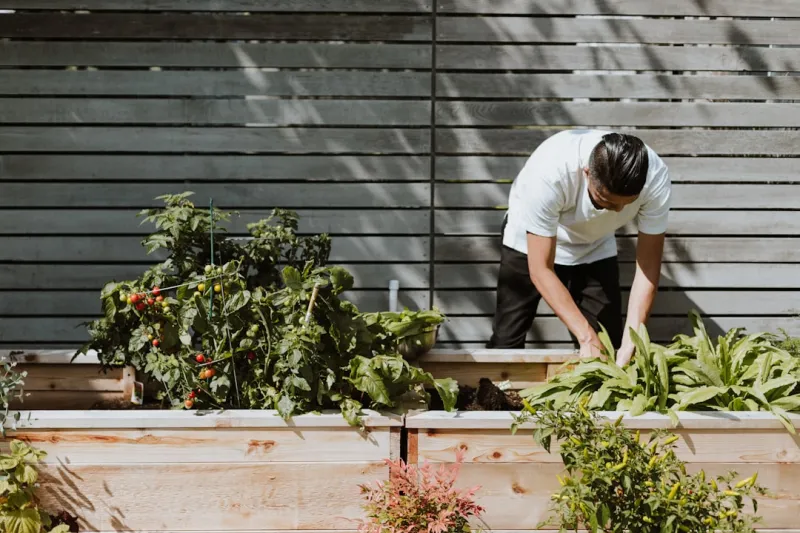
Growing a Greener Tomorrow: How Sustainable Gardening Can Transform Your Life
Sustainable gardening offers a powerful opportunity to transform our lives and create a more sustain... Read More
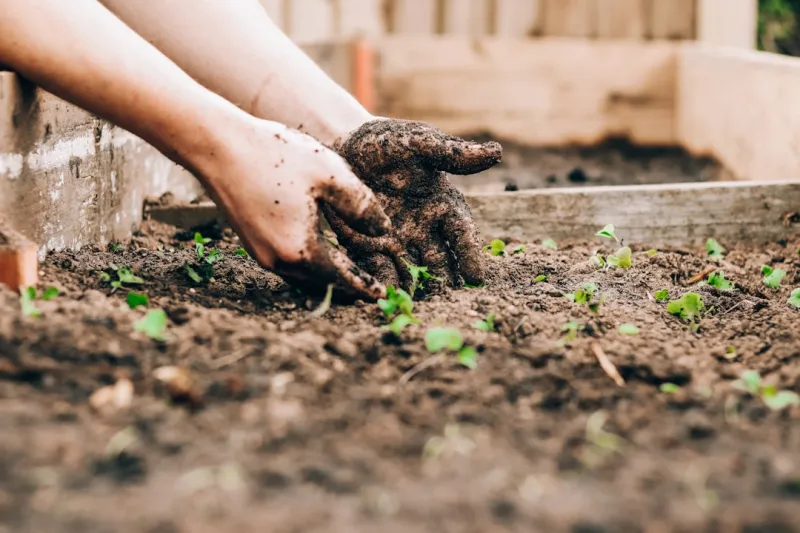
Cultivating Purpose: How a Mindful Garden Fuels Sustainable Living
Explore the art of purpose‑driven gardening, from soil health to community harvests, and learn how... Read More
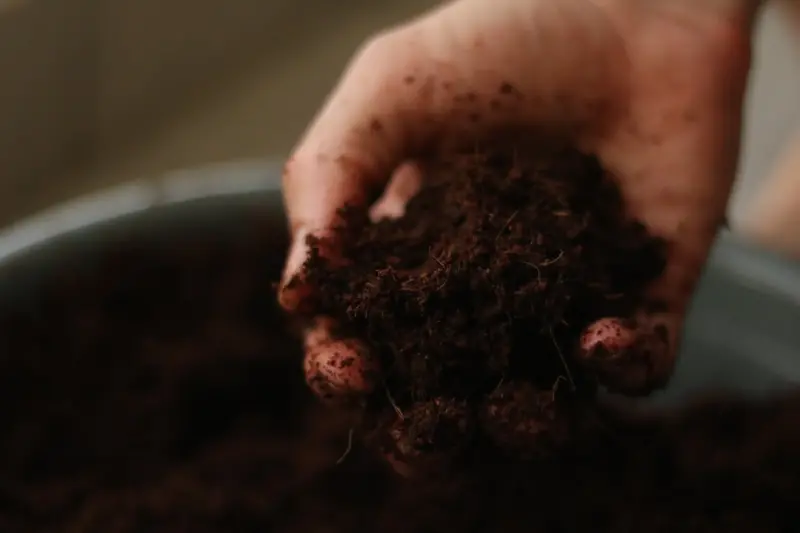
Unearthing the Hidden Orchestra: How Soil Microbes Can Transform Your Garden
Learn how soil’s invisible microbial community fuels plant health and how to nurture it with compo... Read More
Top Posts

AI‑Powered SEO: Personalize, Predict, and Rank Higher
Learn how to integrate AI into every stage of SEO—from intent clustering and snippet optimization to predictive content calendars and AI‑enhanced analyticsâ...Read More

Unstructured Play: The Hidden Superpower Behind Resilient Kids
Unstructured play ignites creativity, problem‑solving, and emotional resilience. This article explores why free play matters, how to set up supportive home en...Read More

Rethinking Email as a Two‑Way Conversation Hub
Discover a fresh, conversation‑first approach to email marketing that moves beyond static newsletters, using behavior‑driven sends, deep personalization, in...Read More

AI as the Strategic Co‑Pilot for Modern Enterprises
This article shows how to embed AI as a collaborative decision partner, outlining contextual awareness, scenario modeling, governance, and real‑world examples...Read More
0 Comments
Post Comment
You will need to Login or Register to comment on this post!