
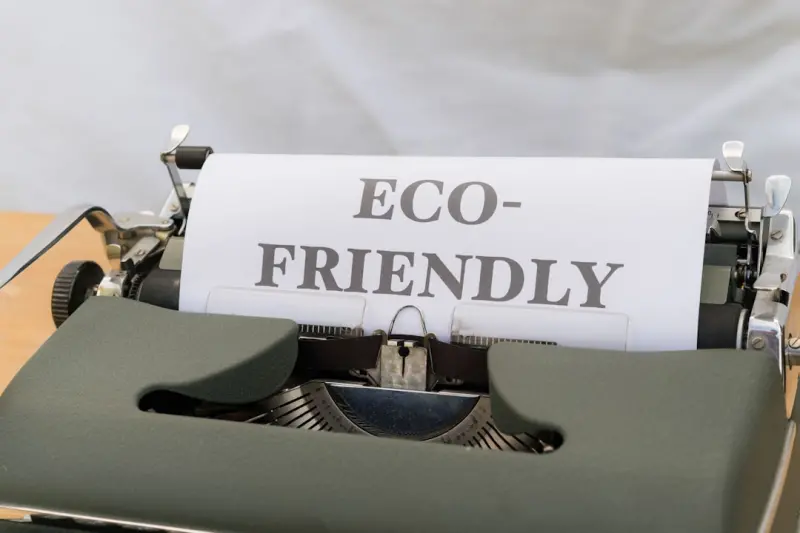
Imagine walking into your office—or your home‑office—and being greeted not by the sterile scent of synthetic cleaners, but by the faint, fresh aroma of citrus and herbs. The floors sparkle, the desks gleam, and you feel a subtle sense of wellbeing that comes from knowing the very act of cleaning is contributing to a healthier planet. This isn’t a utopian fantasy; it’s the emerging reality of eco‑cleaning, a practice that’s rapidly moving from niche hobbyist circles into mainstream corporate culture. In this post, I’ll share how you can transform your workspace cleaning routine into a strategic, sustainability‑driven habit that boosts morale, cuts costs, and aligns with the broader environmental goals of your organization.
Why Eco‑Cleaning Matters for Modern Workplaces
Eco‑cleaning isn’t just a buzzword—it’s a response to three converging pressures that businesses face today:
- Environmental stewardship: Companies are under increasing scrutiny to reduce their carbon footprint, and cleaning chemicals are a hidden source of volatile organic compounds (VOCs) that contribute to indoor air pollution and greenhouse gas emissions.
- Employee health and productivity: Studies consistently link poor indoor air quality to headaches, fatigue, and reduced cognitive performance. By swapping out harsh chemicals for plant‑based alternatives, you create a healthier environment that supports sustained focus.
- Cost efficiency: Many green cleaning solutions are either DIY or come in concentrated forms, meaning you spend less per use. Additionally, reduced wear on surfaces can extend the life of furniture and flooring, delivering long‑term savings.
When these three factors align, the result is a virtuous cycle: cleaner air leads to happier employees, which drives better outcomes, which in turn justifies further investment in sustainable practices.
Start Small: The “Three‑Step Green Clean” Framework
Implementing eco‑cleaning doesn’t require a massive overhaul. Begin with a simple framework that can be scaled across departments:
- Audit Your Current Supplies: Walk through each cleaning closet and list every product, noting its ingredients and the volume you keep on hand. This will expose redundancies and highlight the most egregious chemical offenders.
- Replace with Plant‑Based Alternatives: Look for certified green products—those bearing labels like EPA Safer Choice or EU Ecolabel. In many cases, a single multipurpose cleaner can replace three or four conventional products.
- Empower Your Team: Create a quick reference guide (think one‑page PDF) that explains why the switch matters, how to use the new products correctly, and who to contact for refills.
This “Three‑Step Green Clean” approach mirrors the iterative mindset we champion in software development: start with a minimum viable product, gather feedback, and iterate. By treating cleaning as a process you can continuously improve, you embed sustainability into the cultural fabric of your organization.
DIY Green Cleaning Recipes That Actually Work
For teams that love a hands‑on approach, crafting your own cleaning solutions can be both fun and cost‑effective. Below are three tried‑and‑tested recipes that rival commercial cleaners:
- Citrus‑Vinegar All‑Purpose Spray: Combine 1 cup distilled white vinegar, 1 cup water, and the zest of one lemon. Add a few drops of tea tree oil for antimicrobial properties. This solution tackles grime on countertops, glass, and even stainless steel.
- Baking Soda Scrub: Mix ½ cup baking soda with enough water to form a paste. Apply to kitchen sinks or bathroom tiles, let sit for 10 minutes, then scrub and rinse. The mild abrasive lifts stains without scratching surfaces.
- Essential Oil Floor Cleaner: In a bucket of warm water, dissolve ¼ cup liquid Castile soap, then add 10 drops of lavender oil and 10 drops of eucalyptus oil. Mop as usual for a fresh‑scented, residue‑free finish.
These recipes are low‑maintenance, safe around children and pets, and—most importantly—free from the synthetic fragrances that often trigger allergies. Keep them in clearly labeled spray bottles, and you’ll have a ready‑made arsenal for daily upkeep.
Integrating Eco‑Cleaning Into Your Company’s Sustainability Metrics
To ensure eco‑cleaning gains traction, tie it into existing sustainability reporting frameworks. Here’s how:
- Quantify Chemical Reduction: Track the volume of conventional cleaners phased out versus the amount of green alternatives introduced. Convert these figures into a reduction in VOC emissions.
- Measure Air Quality Improvements: Deploy low‑cost indoor air monitors in high‑traffic zones. Over time, you’ll see measurable declines in particulate matter (PM2.5) and CO₂ levels.
- Calculate Cost Savings: Compare the per‑use cost of green products to legacy chemicals. Include indirect savings from reduced sick days and extended asset lifespans.
When you can present these metrics at quarterly sustainability reviews, eco‑cleaning graduates from a “nice‑to‑have” initiative to a core component of your ESG (Environmental, Social, and Governance) strategy.
Case Study: From Tech Startup to Green Cleaning Champion
A mid‑size SaaS company in the Pacific Northwest recently overhauled its office cleaning regimen using the “Three‑Step Green Clean” framework. Within six months, they reported a 40% drop in cleaning‑product spend and a 25% improvement in employee satisfaction scores related to indoor environment quality. The company credited these wins to a simple internal campaign that highlighted the power of daily rituals—in this case, a quick “clean‑desk” routine at the end of each day.
What’s remarkable is that the initiative didn’t require a dedicated facilities team. Instead, they empowered each employee to be a “cleaning ambassador,” fostering a sense of ownership and community. The result? A cleaner office, a greener footprint, and a team that feels more connected to the company’s mission.
Leveraging Technology to Streamline Green Cleaning
Automation isn’t just for code deployments; it can also enhance eco‑cleaning efforts. Consider these tech‑enabled solutions:
- Smart Dispensing Systems: Sensors attached to cleaning stations track product usage in real time, alerting facilities managers when refills are needed and preventing over‑use.
- IoT Air Quality Sensors: Devices that feed data into a central dashboard can trigger alerts when VOC levels rise, prompting immediate action.
- Mobile Checklists: Use a simple app to assign cleaning tasks, capture completion timestamps, and gather feedback on product performance.
When you integrate these tools, you gain visibility into cleaning workflows, reduce waste, and ensure that your green products are being used optimally. It’s the same data‑driven mindset that powers our SaaS platforms—applied to the physical environment.
Beyond the Office: Extending Eco‑Cleaning to Remote Workspaces
With remote work now a permanent fixture for many organizations, the eco‑cleaning conversation must leave the corporate headquarters and enter home offices. Here’s a quick checklist for remote employees:
- Provide a starter kit: a reusable spray bottle, a small bottle of distilled white vinegar, and a pack of essential oils.
- Offer a virtual workshop: a 30‑minute live session that walks through DIY recipes and demonstrates proper cleaning techniques.
- Incentivize participation: a quarterly “Green Workspace” award that celebrates the most sustainable home office.
By extending the initiative beyond the office walls, you reinforce a company‑wide culture of responsibility, and you help employees reduce their personal environmental impact.
Addressing Common Misconceptions
Many skeptics claim that green cleaning is either ineffective or too costly. Let’s debunk these myths:
- Effectiveness: Plant‑based surfactants have been shown to remove grease and grime as efficiently as petroleum‑based ones. Adding natural antimicrobials like tea tree oil or thyme oil can boost germ‑killing power.
- Cost: While upfront prices for certified green products can be higher, the concentrated nature of many formulas means you use less per clean, ultimately lowering the cost per square foot.
- Safety: Green cleaners typically avoid harsh chemicals that irritate skin or respiratory pathways, making them safer for both cleaning staff and occupants.
When you confront these concerns head‑on with data and transparent communication, you build trust and accelerate adoption.
Future‑Proofing Your Eco‑Cleaning Strategy
Looking ahead, the eco‑cleaning landscape will be shaped by three emerging trends:
- Biodegradable Enzyme Cleaners: Leveraging enzymes to break down organic stains offers a powerful, low‑impact alternative to traditional surfactants.
- Closed‑Loop Packaging: Companies are moving toward refill‑able containers that eliminate single‑use plastic waste.
- AI‑Driven Optimization: Predictive analytics can forecast cleaning needs based on foot traffic patterns, ensuring supplies are used efficiently.
Staying attuned to these developments will keep your cleaning program at the cutting edge, reinforcing your brand’s reputation as an environmental leader.
Putting It All Together: Your Action Plan
Here’s a concise roadmap you can start implementing today:
- Week 1: Conduct a cleaning product audit and identify the top three chemicals to replace.
- Week 2: Source certified green alternatives or gather ingredients for DIY recipes.
- Week 3: Launch a pilot program in one department, providing training and a simple tracking sheet.
- Week 4: Review pilot results, adjust the approach, and roll out company‑wide.
Remember, the goal isn’t perfection—it’s progress. Each small step contributes to a cleaner, healthier workplace and a greener planet.
Connecting the Dots: Learning, Knowledge, and Clean Spaces
The principles of eco‑cleaning echo the broader themes we discuss in our other content. Just as we champion continuous learning in the flow of everyday tasks (Learning in the Flow), the habit of regularly refreshing our physical environment reinforces mental clarity. Moreover, the knowledge we accumulate about sustainable materials and practices can become a strategic asset, much like the internal knowledge we leverage to drive business performance (How Internal Knowledge Can Become Your Business’s Secret Weapon).
By integrating eco‑cleaning into your company’s learning culture, you create a feedback loop where clean spaces inspire innovative thinking, and innovative thinking leads to even smarter, greener solutions.
In the end, eco‑cleaning is more than a set of chores—it’s a statement. It says that you care about the air you breathe, the surfaces you touch, and the planet you inhabit. It tells your team that sustainability is woven into every layer of the organization, from code repositories to coffee mugs. So roll up your sleeves, grab that citrus‑vinegar spray, and start cleaning the future—one sustainable swipe at a time.

Dale Peterson is a freelance writer with a passion for technology, travel, law and personal finance. With 10 years of experience crafting compelling and informative content, he's dedicated to delivering high-quality writing for Blogging Fusion that engages audiences and achieves specific goals.
Related Posts
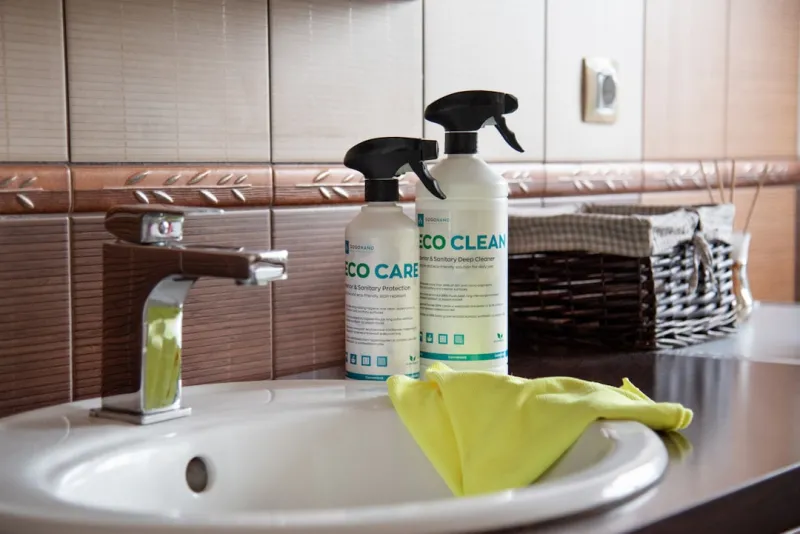
The Evolution of Eco-Cleaning: A Greener Approach to a Healthier Home
Eco-cleaning is a powerful way to create a healthier and more sustainable home environment. Learn ab... Read More

Eco‑Cleaning Made Simple: My Journey to a Greener Home
A personal guide to eco‑cleaning: swap chemicals for natural recipes, embrace reusable tools, and ... Read More

Eco‑Cleaning Made Simple: DIY Recipes, Reusable Tools, and Community Swaps for a Greener Home
Learn how to craft zero‑waste cleaning concentrates, swap containers with neighbors, and use recla... Read More
Top Posts

Energy‑as‑a‑Service: Powering the Next Generation of SaaS Operations
Energy‑as‑a‑Service (EaaS) turns power into a subscription, giving SaaS companies predictable costs, rapid geographic scaling, and a clear sustainability ...Read More

Search Engine Optimization as a Product Feature: Building a Growth Engine From Within
Learn how to turn SEO from a marketing afterthought into a product feature by embedding structured data, reliability metrics, and platform‑engineered services...Read More
The Green Threat: How Eco‑Friendly Tech is Redefining Cybersecurity in 2026
In 2026, eco‑friendly tech is changing the cyber threat landscape. Discover how green trends fuel new attacks, drive sustainable defenses, and shape regulatio...Read More

Why Low‑Code Platforms Are the Unsung Heroes of Digital Transformation
Low‑code platforms are reshaping how enterprises build applications, delivering speed, cost savings, and broader talent involvement without sacrificing qualit...Read More
0 Comments
Post Comment
You will need to Login or Register to comment on this post!