
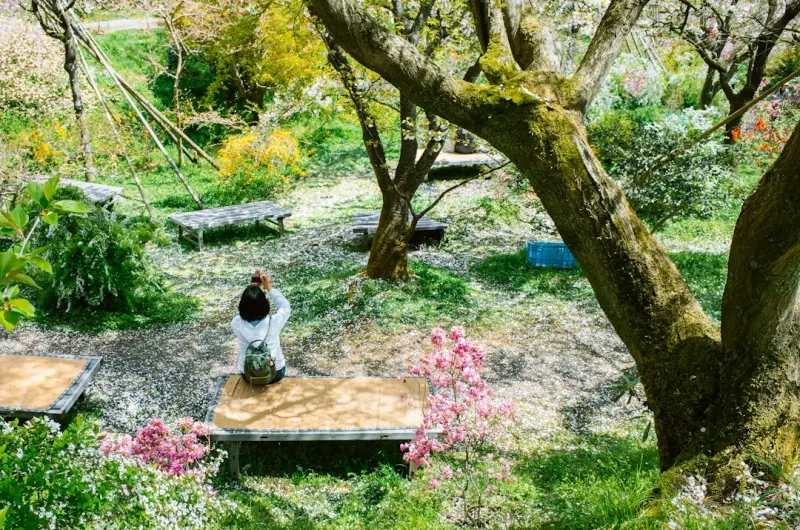
Why a Sensory Garden Is the Next Evolution of Outdoor Living
When most people think about gardening, they picture rows of tomatoes, a neat lawn, or the occasional Instagram‑worthy bloom. I used to be the same way—until I realized my garden could be more than a visual showcase. It could be a multisensory sanctuary that calms the mind, awakens the body, and even boosts creativity. In this post I’ll walk you through the philosophy, design principles, and practical steps for building a garden that engages sight, sound, smell, touch, and even taste in a harmonious, purposeful way.
The Philosophy Behind a Sensory Garden
At its core, a sensory garden is about intentional immersion. Instead of planting for aesthetics alone, each element is chosen to provoke a specific response. Think of it as a living meditation room where the seasons dictate the rhythm of your experience. The goal isn’t to overwhelm the senses but to create a balanced choreography that guides you from one sensation to the next.
- Vision: Use color palettes that shift subtly throughout the year, avoiding harsh contrasts that can feel jarring.
- Sound: Incorporate water features, rustling grasses, or wind‑chimes that produce soothing, natural tones.
- Smell: Plant aromatic herbs and fragrant blooms that release their perfume at different times of day.
- Touch: Include textures—soft moss, smooth river stones, or crisp leaves—that invite tactile exploration.
- Taste: Add edible plants, not just for utility but for the pleasure of harvesting fresh flavors.
By treating each sense as a design variable, you create a garden that feels alive and deeply personal.
Setting the Stage: Site Analysis and Planning
Before you rush to the nursery, spend a weekend observing your outdoor space. Take note of:
- Sun patterns—where does morning light linger, and where does shade dominate?
- Wind direction—will a gentle breeze carry the scent of lavender, or will it disrupt a delicate water feature?
- Noise levels—are there traffic sounds that could be masked with a fountain?
- Soil composition—different textures support different plant families.
Sketch a rough map, dividing the area into zones that will host specific sensory experiences. For example, a “quiet corner” for meditation might be nestled under a canopy of weeping willows, while a “tasting path” could wind past herb beds and dwarf fruit trees.
Choosing the Right Plants for Each Sense
Below is a curated list of plants that excel at stimulating each of the five senses. Feel free to substitute with native varieties that suit your climate.
Sight
- Japanese forest grass – soft, feathery foliage that sways in the wind.
- Heuchera – foliage in shades of purple, chartreuse, and silver.
- Butterfly bush (Buddleia) – summer spikes of purple that attract pollinators.
Sound
- Water lilies – their leaves create gentle ripples when a breeze passes over a pond.
- Hummingbird mint (Agastache) – its tubular flowers buzz with visiting hummingbirds.
- Wind chimes crafted from reclaimed wood – not a plant, but a natural complement.
Smell
- Lavender – releases a calming aroma especially in the late afternoon.
- Sweet peas – a heady fragrance that intensifies after rain.
- Herb garden (rosemary, thyme, mint) – provides culinary benefits and scent.
Touch
- Soft moss – perfect for stepping stones and low‑lying paths.
- Stone mulch – offers a cool, solid surface underfoot.
- Ferns – their fronds are delightfully feathery.
Taste
- Strawberry plants – low‑maintenance fruit that rewards patience.
- Blueberries – thrive in acidic soils and provide antioxidant‑rich berries.
- Edible flowers (nasturtium, calendula) – add color to salads and a peppery kick.
Integrating Water: The Heartbeat of a Sensory Garden
Water is a universal conductor of senses. A small recirculating fountain can create a gentle hiss that masks distant traffic, while also reflecting light to enhance visual interest. For those with limited space, a self‑watering trough can double as a reflective pool and a habitat for amphibians.
If you’re tech‑savvy, consider a smart irrigation controller that adjusts watering based on real‑time soil moisture data. This not only conserves water but ensures that aromatic herbs stay fragrant and that succulent textures remain supple. (A good example of marrying technology with experience can be found in creating a focused sanctuary at home.)
Soundscapes: Curating Natural Music
Sound design doesn’t require a professional audio engineer—just an understanding of how wind, water, and wildlife interact. Planting tall grasses like Miscanthus or Pampas can create a rustling backdrop when breezes pass through. Adding a bird feeder encourages avian visitors whose chirps become part of the daily soundtrack.
For an extra layer, install a low‑volume Bluetooth speaker hidden among shrubs and play ambient nature recordings during quiet evenings. This technique aligns with the concept of reclaiming mental space by using curated sound to drown out digital noise.
Lighting: Extending Sensory Experiences After Dark
Soft, warm lighting can turn your garden into a moonlit retreat. Use solar‑powered LED lanterns tucked beneath the canopy of a Japanese maple, or line pathways with low‑profile glow‑in‑the‑dark stepping stones. These subtle illuminations invite night‑time strolls without overwhelming the senses.
Consider a biophilic lighting scheme that mimics natural sunrise and sunset cycles. By gradually dimming lights in the evening, you signal to your body that it’s time to wind down, reinforcing the therapeutic intent of your garden.
Creating Pathways for Tactile Exploration
Design walkways that invite barefoot curiosity. A combination of smooth river stones, reclaimed wood planks, and soft moss patches creates a varied tactile journey. Position these paths so they lead visitors through each sensory zone, encouraging a deliberate pause at each station.
To make the experience accessible, keep pathways wide enough for wheelchairs and incorporate gentle ramps. Sensory gardens should be inclusive, allowing people of all abilities to reap the benefits.
Seasonal Rotation: Keeping the Garden Fresh Year‑Round
One of the joys of a sensory garden is its perpetual evolution. Plan for seasonal changes by:
- Planting spring‑blooming bulbs (daffodils, tulips) for early color.
- Choosing summer perennials (lavender, coneflower) that provide continuous fragrance.
- Integrating autumn foliage plants (Japanese maples) that shift hues dramatically.
- Including evergreen shrubs (boxwood, rosemary) for winter structure.
Rotate container plants each season to introduce new aromas and textures without a major redesign.
Maintenance as Mindful Practice
Maintaining a sensory garden can become a meditative ritual. Schedule weekly “sensory walks” where you pause to inhale, listen, and touch. Use these moments to prune, deadhead, or harvest, turning chores into moments of presence.
Document your observations in a garden journal—note which plants bloom early, which scents intensify after rain, and how the soundscape changes with weather. Over time, you’ll develop an intuitive understanding of how to fine‑tune the garden for maximum impact.
Bringing Technology into the Garden (Without Dominating It)
While the aim is to create a natural retreat, subtle technology can enhance sustainability and convenience. A weather‑linked smart sensor can trigger a misting system when humidity drops, preserving the delicate aroma of rosemary. Soil moisture probes connected to a mobile app let you know when herbs need a drink, preventing over‑watering.
Remember, the technology should remain invisible—its purpose is to support, not distract, the sensory experience.
Community and Sharing: Extending the Sensory Experience
Invite friends, family, or neighbors to a “sensory tea party” where you serve dishes made from garden harvests. Use the occasion to discuss the therapeutic benefits you’ve experienced. This not only deepens your connection to the garden but also spreads awareness of holistic outdoor living.
Consider partnering with local schools or care facilities to host guided sensory tours. The garden can become a communal resource for stress relief, learning, and intergenerational bonding.
Final Thoughts: Your Garden as a Living Extension of Self
Building a sensory garden is an act of self‑care, creativity, and environmental stewardship. It invites you to step out of the digital hum and into a world where every leaf, ripple, and scent is an invitation to be present. By thoughtfully curating each sensory element, you’ll discover that your backyard can be more than a plot of land—it can become a living laboratory for mindfulness, inspiration, and joy.
Start small, stay curious, and let the garden evolve with you. The journey is as rewarding as the destination, and the rewards are measured not just in blooms, but in the quiet moments of wonder that each day brings.

Miranda Murphy: Experienced freelance writer with a decade of storytelling expertise. Let's create something amazing together!
Related Posts

Microclimate Mastery: City Spaces for Year‑Round Gardens
Discover how to turn city balconies and rooftops into thriving, year‑round gardens by mapping micr... Read More
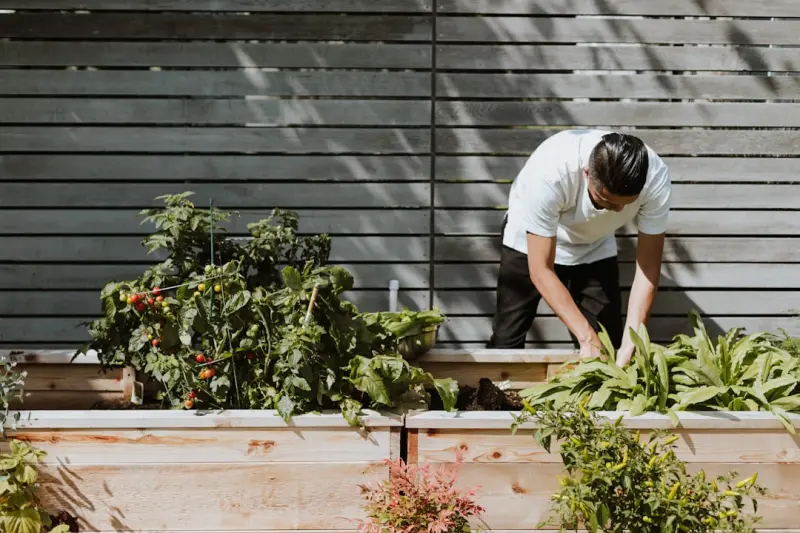
Cultivating a Garden Mindset: How Green Spaces Supercharge Business Creativity
A garden isn’t just a hobby—it’s a living laboratory for resilience, data‑driven insight, an... Read More

Cultivating Climate‑Smart Gardens in Small Spaces
Learn how to transform limited urban spaces into thriving, climate‑smart gardens using native plan... Read More
Top Posts

The Hidden Power of Intent Modeling: Redefining SEO for an AI‑First World
Learn why shifting from keyword‑centric tactics to intent modeling is essential for modern SEO, how to build an intent map, and practical steps to integrate i...Read More

The Untapped Power of Employee Advocacy in B2B SaaS Marketing
Employee advocacy turns every team member into a trusted brand ambassador, delivering authentic reach and measurable pipeline growth for B2B SaaS firms....Read More

Micro‑Celebrations: The Secret Sauce for High‑Performance SaaS Teams
Micro‑celebrations—quick, specific acknowledgments of everyday wins—drive dopamine‑fueled motivation, improve retention, and boost velocity in SaaS team...Read More

Mobile-First, Accessibility-First: Unlocking Untapped B2B SaaS Growth
A deep dive into why B2B SaaS firms should make accessibility the cornerstone of their mobile strategy, turning compliance into a competitive edge and unlocking...Read More
0 Comments
Post Comment
You will need to Login or Register to comment on this post!