
Why Small‑Space Gardens Need a Climate‑Smart Makeover
When you live in a city apartment or a modest suburban lot, every square foot of soil feels like a premium commodity. Yet the biggest challenge isn’t the size of the plot; it’s the changing climate that can turn a sunny balcony into a sweltering oven or a drizzle‑prone patio into a soggy mess. I’ve spent the past decade turning tiny terraces into thriving ecosystems, and the secret sauce is not a fancy gadget but a mindset that respects local weather patterns, native flora, and the subtle art of water stewardship.
Mapping Your Micro‑Climate Before You Plant Anything
Before you rush to buy a kale seed packet, take a walk around your space at three different times of day—morning, noon, and evening. Notice which spots bask in direct sunlight, which linger in shade, and where wind tends to gust. Use a simple notebook or a phone note to sketch a quick heat map. This micro‑climate audit reveals hidden niches: a south‑facing railing that can host heat‑loving herbs, a shaded nook perfect for cool‑season greens, and a breezy corner where frost can settle early in the season.
Choosing Native, Climate‑Resilient Plants
Native plants are the unsung heroes of sustainable gardening. They’ve evolved alongside your region’s rainfall, temperature swings, and soil composition, which means they demand far less irrigation, fertilizer, and pest control than exotic varieties. I’ve swapped out imported succulents for hardy local options like Coreopsis and Echinacea, and the results were immediate: vibrant blooms, fewer weeds, and a garden that looks like it belongs there, not like a transplanted showroom.
When you’re unsure which natives thrive in your area, think of the local prairie, woodland, or wetland habitats and mimic those conditions. For example, a rain‑loving meadow species will flourish in a low‑lying spot that collects runoff, while a drought‑tolerant prairie grass will thrive on a raised, well‑draining bed.
Designing a Simple Rain Garden to Capture Every Drop
One of the most rewarding low‑tech solutions I’ve implemented is a rain garden—a shallow depression planted with moisture‑loving natives that captures runoff from roofs, balconies, or downspouts. The design is straightforward: dig a basin about 6‑12 inches deep, line the bottom with a layer of gravel for drainage, then fill it with a mix of sand, compost, and native soil. Plant a blend of Iris pseudacorus, Blue Flag Iris, and ornamental grasses. When it rains, the water pools, the plants soak it up, and you end up with a vibrant, self‑watering feature.
Beyond aesthetics, the rain garden reduces erosion, filters pollutants, and recharges groundwater—benefits that echo the larger sustainability goals we talk about in the tech world, like when we discuss greening your digital workspace to lower a company’s carbon footprint.
Building Soil Health Without Synthetic Chemicals
Healthy soil is the foundation of any garden, and you don’t need a chemistry lab to nurture it. Start with a generous handful of compost—whether you’ve made it from kitchen scraps or sourced it locally. Spread a 2‑inch layer over your planting beds and work it into the top 6 inches of soil. Next, introduce a handful of mycorrhizal fungi inoculant (available at most garden centers) to boost root efficiency and nutrient uptake. Finally, practice “crop rotation” even in small beds: after harvesting lettuce, follow with beans to fix nitrogen, then a leafy green to reap the benefits.
Mulching with straw, shredded bark, or even newspaper suppresses weeds, conserves moisture, and slowly adds organic matter as it breaks down. The result is a living soil ecosystem that feeds your plants, reduces watering needs, and eliminates the need for chemical fertilizers.
Leveraging Smart Tools While Staying Low‑Tech
Technology can be a helpful ally, but it shouldn’t dominate the gardening experience. I love using a simple soil moisture sensor that plugs into a phone app—just enough data to know when to water, without turning the garden into a constant stream of notifications. For plant selection, I’ve found inspiration in a surprising place: algorithms become your personal shopper. Several online nurseries now use AI to suggest native, climate‑appropriate varieties based on the zip code you input. It’s a quick shortcut that respects the same principle of matching plants to their environment, but without the guesswork.
Remember, the goal is to blend the best of both worlds: the precision of data‑driven insights with the tactile, sensory joy of getting your hands dirty.
Creating a Low‑Tech Navigation Pathway for Easy Access
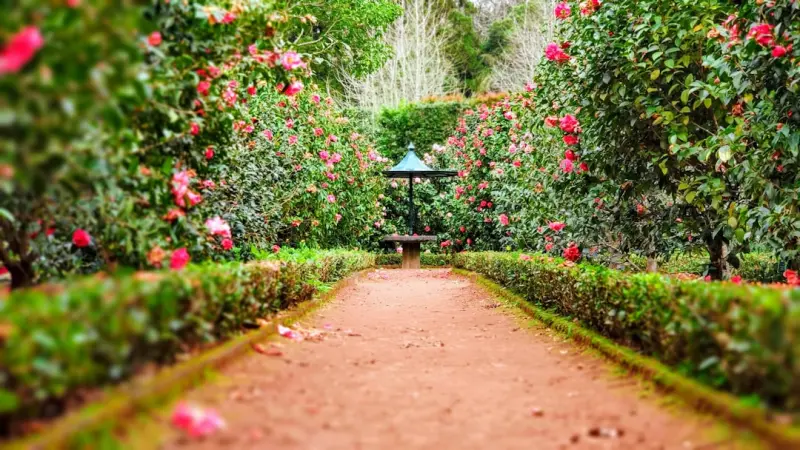
Even the most beautiful garden can become a chore if you can’t move around it efficiently. Borrow a concept from outdoor explorers and design a low‑tech navigation revival right in your garden. Use reclaimed wood or stepping stones to outline clear pathways, and mark them with simple signs made from repurposed metal or bamboo. This not only protects delicate plant roots from foot traffic but also guides you to the most productive spots for harvesting.
Think of the pathway as a living map: as plants mature, you can adjust the route, adding new stepping stones or removing old ones. The result is a garden that feels intuitive, inviting, and easy to maintain—even for beginners.
Harvesting and Sharing the Bounty with Neighbors
One of the most fulfilling parts of a climate‑smart garden is the surplus it can generate. Turn excess produce into community gifts: a basket of heirloom tomatoes for a neighbor, a jar of fresh herbs for the local coffee shop, or a seed swap with fellow urban gardeners. These gestures reinforce the social fabric of your neighborhood and create a micro‑economy of fresh, locally grown food.
Document your harvest on social media, not to brag, but to inspire others. Use stories to showcase how a modest balcony can produce enough kale for a week’s worth of salads, or how a rain garden can turn a drippy downspout into a cascade of wildflowers.
Seasonal Check‑Ins: Adjusting Your Garden as the Climate Shifts
Gardening is a living process, and your plan should evolve with the seasons. In early spring, add a layer of compost to replenish nutrients. In midsummer, monitor the rain garden’s water level and consider adding a small overflow pipe if you experience heavy downpours. In fall, mulch heavily to protect roots from early frosts. Each seasonal adjustment reinforces the resilience of your garden, ensuring it thrives year after year despite unpredictable weather patterns.
Putting It All Together: A Blueprint for the Modern Small‑Space Gardener
To recap, a climate‑smart garden for limited spaces hinges on four pillars:
- Micro‑climate mapping: Know where sun, shade, and wind converge.
- Native plant selection: Choose species that are already adapted to local conditions.
- Water stewardship: Install a rain garden and use mulch to retain moisture.
- Soil vitality: Build organic matter and encourage beneficial microbes.
Combine these with modest tech tools and thoughtful pathways, and you’ll have a garden that not only survives but thrives, feeding you, your community, and the planet.
Final Thoughts: Gardening as an Act of Climate Resilience
In a world where climate headlines dominate the news cycle, your backyard—or balcony—can become a quiet act of resistance. By designing with native plants, capturing rainwater, and nurturing soil health, you’re creating a micro‑ecosystem that reduces runoff, cuts down on water usage, and supports biodiversity. It’s a modest contribution, but when multiplied across cities, it becomes a powerful collective movement. So roll up your sleeves, grab a trowel, and start planting the future—one resilient seed at a time.

David Moore is a freelance writer specializing in two dynamic and ever-evolving fields: gambling and the tech industry. With a keen eye for detail and a knack for unraveling complex topics, David delivers insightful and engaging content that keeps readers informed and entertained.
Related Posts
Sustainable Gardening: Nurturing a Greener Future
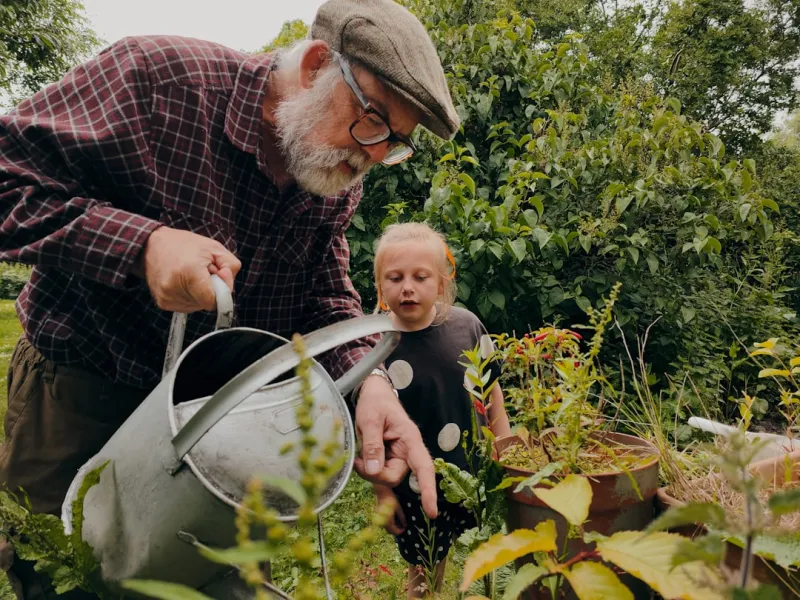
Sustainable gardening is an excellent way to make a positive impact on the environment. Learn how to... Read More

Rain‑Harvested Balcony Gardens: A DIY Guide to Urban Greenery
Discover a step‑by‑step guide to building a rain‑harvested balcony garden, from DIY water coll... Read More

The Secret Symphony of the Soil: How Soundscapes Are Revolutionizing Home Gardens
Discover the emerging practice of garden soundscapes—using low‑frequency tones, classical melodi... Read More
Top Posts

Human‑Centric Online Safety for Remote Teams
Online safety isn’t just about firewalls; it’s about building a culture that protects both data and the wellbeing of remote employees. This guide offers a h...Read More

Why Every Blogger Needs a Personal Publishing Engine
A personal publishing engine lets bloggers own every step of their content journey, turning fleeting ideas into long‑lasting, searchable assets while staying ...Read More
The Rise of Sustainable Marketing: Turning Green Values into Growth
Discover why sustainable storytelling, green SEO, and community‑first tactics are the new marketing essentials driving both impact and profit....Read More

Community‑Led Live Ops: Turning Players Into Partners
Discover why community‑led live ops is the next frontier for game studios, turning players into co‑creators, boosting retention, and unlocking new revenue s...Read More
0 Comments
Post Comment
You will need to Login or Register to comment on this post!