
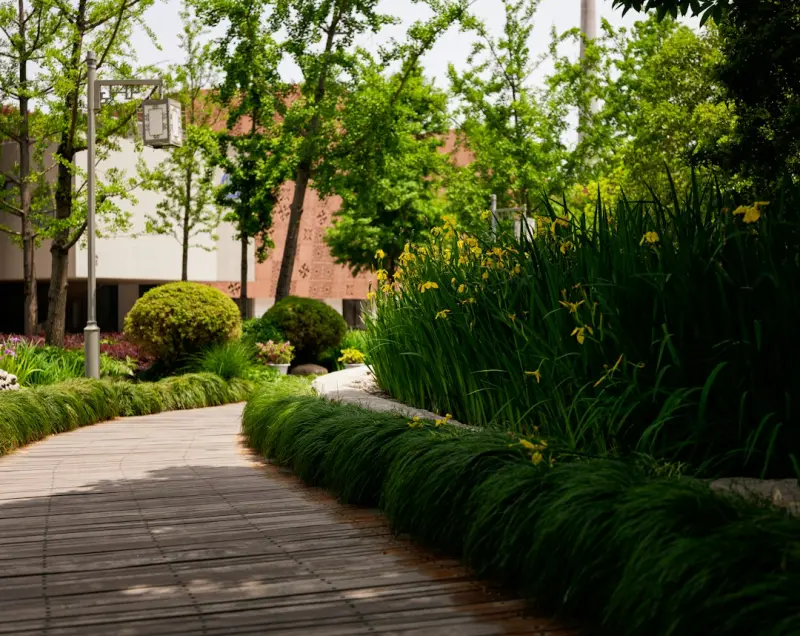
When I first stepped into a studio apartment that measured barely 400 sq ft, I felt the familiar squeeze of concrete walls and the relentless buzz of the city outside. Yet, within minutes of rearranging a few pieces, adding a trailing pothos, and swapping a synthetic rug for a jute one, the space breathed. It was as if a window to a forest had opened right in the middle of the living room. That transformation sparked my obsession with biophilic design – the art of weaving natural elements into interiors – especially for the growing number of urban dwellers who live in compact footprints.
The Science Behind Bringing Nature Inside
Biophilia, a term coined by biologist E.O. Wilson, describes humanity’s innate attraction to living things and natural processes. Recent research from environmental psychology shows that exposure to natural cues can lower cortisol levels, improve focus, and even boost creativity. For small‑space residents, who often lack private outdoor access, these benefits become a crucial part of daily wellbeing.
But biophilic design isn’t just about slapping a few potted plants on a shelf. It’s a holistic approach that considers light, air, water, texture, and form. When these elements are thoughtfully integrated, even the tiniest rooms can feel expansive, restorative, and uniquely personal.
Core Principles for Compact Biophilic Interiors
- Visual Connection to Nature – Provide sightlines to greenery, whether real or simulated.
- Non‑Visual Sensory Stimuli – Incorporate natural sounds, textures, and scents.
- Nature of the Space – Use organic forms and materials to echo natural structures.
- Place‑Based Relationships – Reflect the surrounding urban ecology in your design narrative.
Practical Tactics You Can Implement Today
1. Maximize Natural Light Without Sacrificing Privacy
Urban apartments often suffer from limited windows. Start by choosing sheer, light‑filtering curtains that let sunlight cascade while maintaining modesty. Position mirrors opposite windows to bounce light deeper into the room. For a bolder move, replace a solid closet door with a frosted glass panel that mimics the translucence of water.
2. Curate a Green Palette That Thrives in Small Spaces
Choosing the right plants is essential. Opt for low‑maintenance, air‑purifying varieties like Sansevieria (snake plant), ZZ Plant, or Spider Plant. Hang them in macramé planters from the ceiling to free up floor space, or create a vertical garden using a modular wall‑mounted system.
When you’re ready to dive deeper, check out our Sensory Garden Inspiration guide for ideas on curating multi‑sensory plant collections that double as decor statements.
3. Embrace Natural Materials and Textures
Swap out synthetic furnishings for pieces crafted from reclaimed wood, bamboo, or rattan. A live‑edge wooden coffee table not only adds visual intrigue but also introduces subtle grain patterns that echo forest trunks. Layer textures with woven wool throws, linen curtains, and stone‑like ceramic tiles to engage the tactile sense.
4. Integrate Water Elements on a Micro Scale
Even a modest tabletop fountain can generate the soothing sound of flowing water, which research links to reduced stress. If space is at a premium, consider a self‑watering planter that recirculates moisture, providing both visual movement and a functional watering system.
5. Use Color Strategically
Nature‑inspired palettes—soft greens, muted earth tones, sky blues—can make walls feel airy. For accent walls, a deep forest green can create a focal point without overwhelming the room. Pair it with crisp white trim to maintain brightness.
6. Create “Micro‑Nature Zones” in Unexpected Nooks
Transform the space under your stairs, the back of a bathroom cabinet, or the top of a kitchen island into a mini‑ecosystem. A series of tiny terrariums or a row of succulent trays can become conversation pieces while reinforcing the biophilic narrative.
7. Leverage DIY Projects to Personalize Your Space
When budget constraints hit, roll up your sleeves. Repurposing reclaimed pallets into a hanging herb garden or crafting a bamboo screen from bamboo rods can add a custom touch. For more inspiration on DIY nature‑focused projects, our DIY Plant Projects article offers step‑by‑step guides that turn ordinary tasks into creative adventures.
Case Study: A 350 sq ft Micro‑Apartment Transformation
Emily, a freelance graphic designer, lived in a studio that felt more like a storage unit than a home. She implemented a three‑phase biophilic makeover:
- Phase One – Light & Layout: Replaced heavy drapes with linen sheers, added a full‑length mirror opposite the window, and rearranged furniture to create a clear “room‑within‑a‑room” flow.
- Phase Two – Green Integration: Installed a vertical garden on the living‑room wall using modular pockets, introduced a hanging snake plant, and placed a small pebble‑filled tray with a floating succulent centerpiece on the desk.
- Phase Three – Sensory Enhancements: Added a compact tabletop fountain, switched the synthetic rug for a jute mat, and introduced a diffuser with cedarwood and eucalyptus essential oils.
The results were striking. Emily reported a 30% increase in perceived spaciousness, higher daily productivity, and a newfound sense of calm after work hours. Her story underscores how strategic biophilic touches can amplify both aesthetics and functionality in limited square footage.
Budget‑Friendly Strategies
Biophilic design doesn’t demand a high‑end budget. Here are cost‑saving tips:
- Propagate Your Own Plants: Many indoor species produce cuttings that root easily.
- Source Materials Sustainably: Look for reclaimed wood pallets at local warehouses or browse thrift stores for vintage natural‑fiber furniture.
- DIY Water Features: Upcycle a glass jar with a small submersible pump to create a sleek, low‑maintenance fountain.
- Seasonal Swaps: Rotate decorative elements like pine cones or dried flowers to keep the space fresh without new purchases.
Avoiding Common Pitfalls
While the allure of greenery is strong, over‑planting can lead to clutter and maintenance headaches. Here are red flags to watch:
- Excessive Plant Density: Too many pots can crowd walkways and reduce natural light.
- Incompatible Light Requirements: Match plants to the actual light levels of each area; otherwise, you risk wilting foliage.
- Neglecting Airflow: Stagnant air can foster mold; ensure ventilation by opening windows regularly or using a small air purifier.
Connecting Biophilic Design to Overall Wellness
Beyond aesthetics, biophilic interiors support holistic health. Natural light regulates circadian rhythms, improving sleep quality. Indoor plants increase humidity, reducing dry‑skin and respiratory irritation. Even the subtle scent of fresh foliage can elevate mood. By embedding these elements into everyday living spaces, you create an environment that nurtures both body and mind.
Future‑Forward: Smart Biophilia
Technology can amplify nature’s benefits. Smart planters with moisture sensors alert you when watering is needed, preventing over‑ or under‑hydration. Automated blinds adjust to sunrise and sunset, optimizing daylight while conserving energy. Integrating these tools maintains the organic feel while offering modern convenience.
Final Thoughts
Living in a compact urban dwelling no longer means surrendering to sterile minimalism. By thoughtfully applying biophilic principles—leveraging light, plant life, natural textures, and sensory experiences—you can transform a modest apartment into a restorative oasis. The key is intentionality: choose elements that serve both form and function, and let nature’s rhythm guide the design narrative.
Whether you’re a seasoned interior designer or a DIY enthusiast, the journey toward a greener home begins with a single leaf. Embrace it, nurture it, and watch your space—and your wellbeing—flourish.

Tyler Johnson is a seasoned freelance writer with a keen eye for detail and a passion for crafting compelling narratives. His years of experience have honed his ability to adapt his style to suit diverse client needs and project requirements.
Related Posts
Beyond Aesthetics: Designing Home Spaces That Nurture Mind & Body
A guide to crafting interiors that go beyond looks, using texture, light, sound, and adaptable furni... Read More
Designing Spaces That Breathe: How Biophilic Interiors Boost Well‑Being and Performance
Discover the power of biophilic interior design—from strategic plant placement to sensory branding... Read More
Design Secrets for Small Spaces: Color, Light & Texture
Learn the art of elevating tiny apartments using bold hues, tactile depth, smart lighting, and ecoâ€... Read More
Top Posts

Tiny Text, Big Impact: Mastering Microcopy
Microcopy may be small, but its influence on user behavior is massive. In this guide, I share strategies to write persuasive tiny text that enhances clarity, co...Read More

Personal AI Companions: Redefining Friendship and Productivity
Discover the rise of personal AI companions, their ethical challenges, practical benefits, and how they’re reshaping the way we live and work....Read More

Zero‑Click Search: Turning Passive SERP Real Estate into Revenue
Zero‑click search now dominates the SERPs, rewarding brands that secure featured snippets, knowledge panels, and AI‑generated answers. This guide shows how ...Read More

Plug‑In Playbook: How Tiny Extensions Drive Enterprise Growth
A practical guide showing how SaaS teams can identify, design, monetize, and scale plug‑ins to solve specific workflow gaps, boost revenue, and deepen custome...Read More
0 Comments
Post Comment
You will need to Login or Register to comment on this post!