
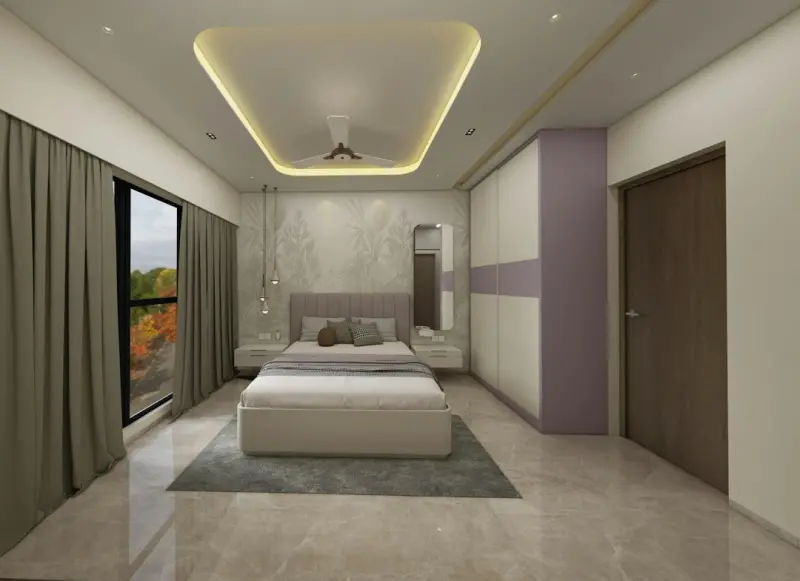
Why Your Home Should Feel Like a Personal Wellness Lab
When I first started swapping out my couch for a standing desk, I realized that interior design isn’t just about how a room looks—it’s about how it makes you feel. The modern homeowner is juggling video calls, side‑hustles, and a never‑ending stream of notifications. My mission became clear: create environments that quietly support mental stamina, physical comfort, and a sense of belonging, without shouting for attention.
The Hidden Science of Spatial Flow
Most design guides talk about “traffic patterns” and “focal points.” Those are useful, but they miss a deeper layer: the brain’s innate desire for predictable yet varied movement. When you walk into a room, your eyes and body instinctively seek a rhythm—an entry point, a pause, a transition, and a destination. If that rhythm is broken by clutter, abrupt color clashes, or mismatched textures, the brain registers a subtle stress response.
Think of your living area as a gently flowing river. You want moments of calm—soft lighting, a plush rug—to let the mind rest, followed by deliberate changes—a splash of color, a tactile wall panel—to keep curiosity alive. This ebb and flow mirrors the way our attention naturally cycles, and it’s the secret behind spaces that feel both energizing and restorative.
Layering the Senses: Texture, Light, Sound
Visual appeal is only the tip of the iceberg. I’ve learned that the tactile and auditory components of a room can either amplify or neutralize visual stress. Here’s my three‑step approach:
- Texture trinity: Pair a smooth, matte surface (like a concrete coffee table) with a soft, fibrous one (a woven throw). The contrast invites the fingertips to explore, grounding you in the present moment.
- Light choreography: Use layered lighting—ambient ceiling fixtures, task lamps, and accent LEDs. Dimmer switches become the conductor, allowing you to shift from high‑focus work mode to relaxed evening ambience with a single glide.
- Soundscaping: A subtle white‑noise backdrop—think a low‑volume fan or a curated playlist of natural sounds—helps mask the intrusive buzz of notifications. It’s not about silence; it’s about creating a sonic blanket that lets your thoughts float freely.
When I integrated a digital‑detox corner into my hallway, the result was astonishing. A small bench, a soft rug, a bookshelf of tactile journals, and a discreet speaker playing forest sounds transformed a high‑traffic passage into a micro‑retreat. I now pause there for a minute before every Zoom call, and my mind feels reset.
Biophilic Design: Bringing the Outdoors In
Plants aren’t just decorative; they’re physiological allies. Research shows that exposure to greenery can lower cortisol, improve focus, and even boost creativity. My favorite trick is to use vertical gardens as living art pieces. They serve as a visual focal point while purifying the air and providing a soft, organic texture that contrasts beautifully with sleek furniture.
Don’t have a green thumb? No problem. Choose low‑maintenance options like snake plants, ZZ plants, or even moss panels. Pair them with natural materials—bamboo blinds, reclaimed wood shelves, stone countertops—to create a cohesive ecosystem that feels both grounded and modern.
Modular Furniture for Hybrid Lifestyles
Hybrid work has turned many rooms into multi‑purpose zones. A sofa that doubles as a guest bed, a desk that folds into a wall, or a bookshelf that slides to reveal hidden storage—all these solutions embody the principle of adaptive design. The goal is to keep the space fluid, allowing you to shift roles without the visual clutter of permanent fixtures.
One of my go‑to pieces is a modular sectional with interchangeable cushions and built‑in USB ports. During the day, it’s a sleek lounge for brainstorming; by night, I rearrange the modules into a cozy nook for reading. The flexibility reduces the need for multiple pieces, keeping the aesthetic clean and the budget friendly.
Color Psychology Meets Practicality
Color is often discussed in abstract terms—“blue calms,” “red energizes.” While there’s truth to that, the real power lies in contextual pairing. A muted teal accent wall can feel soothing when paired with warm wood tones, but the same hue can become oppressive if surrounded by stark white and cold metal.
My current palette blends soft neutrals (warm greys, creamy whites) with strategic pops of muted teal and mustard. The neutrals provide a calm canvas, while the accent hues appear only in focal points—like a painted entryway door or a set of kitchen cabinets—keeping the overall vibe balanced.
Integrating Technology Without Overwhelm
We’re living in an era where smart home devices promise convenience, but they can also add to the cognitive load if not thoughtfully integrated. The trick is to hide the tech behind design elements. For instance, I concealed a voice‑assistant speaker behind a decorative wooden panel, and routed smart lighting wires through existing conduit lines.
To learn more about creating seamless tech experiences, check out this piece on cognitive‑economy design principles. The same ideas that streamline a website can be applied to a living room, ensuring that technology serves the space rather than dominates it.
Personalizing with Storytelling Objects
Every room tells a story. Incorporate objects that reflect your journey—a travel‑sized map framed on the wall, a vintage camera on a side table, or a handmade pottery bowl from a local artisan. These pieces act as emotional anchors, grounding you in your personal narrative and making the space feel truly yours.
When I placed a set of hand‑carved wooden coasters from a recent trip to Oaxaca on my coffee table, they sparked conversations during meetings and reminded me of the calm evenings spent on a balcony overlooking a sunset. The subtle inclusion of such artifacts transforms a generic interior into a living memoir.
Creating Zones for Mindful Transition
Transition zones—small areas that serve as buffers between distinct functions—are essential for mental clarity. A narrow hallway can become a mindful pause by adding a low bench, a small plant, and a soft rug. This encourages you to physically and mentally shift before moving from work to relaxation.
In my own apartment, I installed a “reset shelf” just outside my home office. It holds a journal, a calming essential‑oil diffuser (used sparingly to avoid scent fatigue), and a stack of favorite books. Before I log off, I spend a minute writing down thoughts, inhaling a gentle aroma, and flipping a page—signaling to my brain that it’s time to unwind.
The Future of Home Interiors: Intentional Flexibility
Looking ahead, the most resilient interiors will be those that anticipate change. Whether it’s a new work schedule, a growing family, or evolving design trends, spaces that can be re‑configured with minimal effort will stand the test of time. This doesn’t mean compromising on style; rather, it means choosing timeless materials, modular pieces, and a balanced color scheme that can serve multiple purposes.
Embrace the idea that your home is a living experiment. Periodically assess how each area supports (or hinders) your daily rhythm. Swap a rug for a new texture, rotate artwork, or add a small plant. Small, intentional tweaks keep the environment fresh and aligned with your evolving needs.
Conclusion: Design as a Daily Ritual
Interior design is more than a weekend project; it’s a continuous practice of curating experiences. By focusing on spatial flow, sensory layering, biophilic elements, modular flexibility, and personal storytelling, you can craft a home that doesn’t just look beautiful—it actively nurtures your mind, body, and spirit. The next time you step into a room, ask yourself: What does this space want me to feel? If you answer honestly, you’ll find that great design is less about perfection and more about purposeful, compassionate living.

Lauren Miller is a true outdoors enthusiast who has found her passion in the trades. When she's not working hard on the job, you can find her writing, camping, fishing, and exploring all that nature has to offer. A dedicated partner to her wife Beth, Lauren loves nothing more than spending quality time together and experiencing the great outdoors side by side.
Related Posts
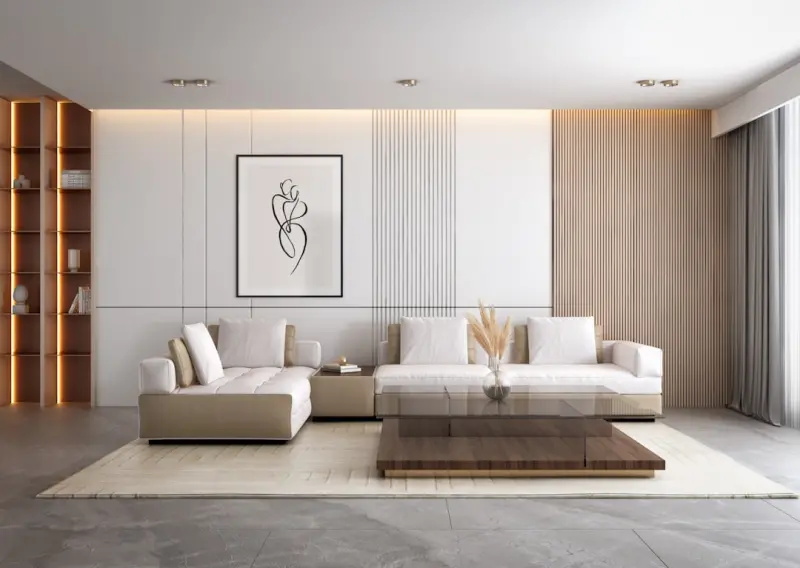
Beyond Aesthetics: Crafting Spaces That Nurture the Senses
A deep dive into multisensory interior design, revealing how sound, scent, texture, light, and thoug... Read More
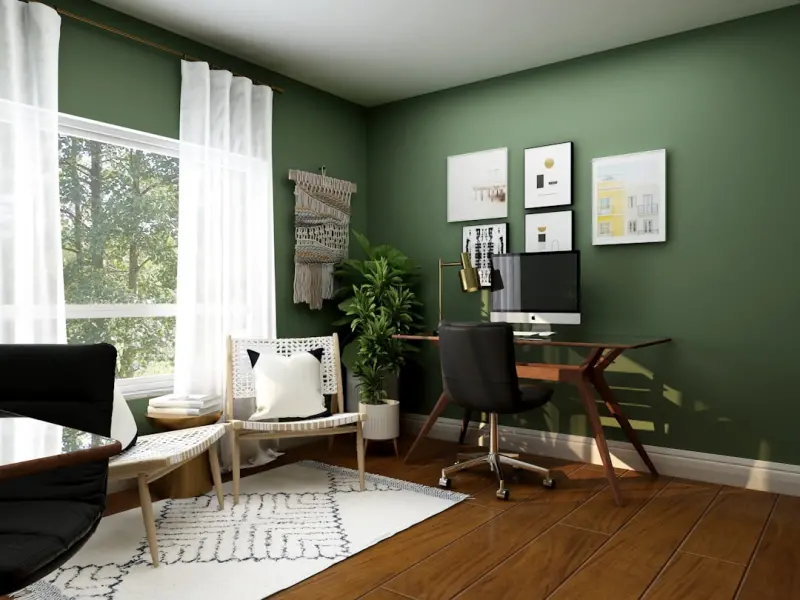
Adaptive Home Office Design: Flexibility, Wellness, and Tech‑Driven Productivity
Discover a fresh approach to home office design that balances modular flexibility, natural elements,... Read More
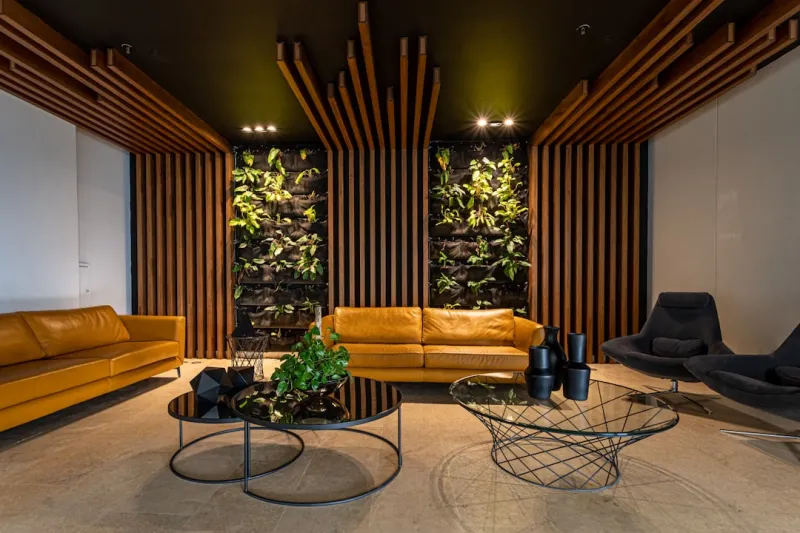
The Intersection of Interior Design and Sustainability: A New Era for Homes
The interior design industry is embracing sustainability, and for good reason. Learn how sustainable... Read More
Top Posts

The Future of SEO: How Sustainable Practices are Revolutionizing the Industry
The future of SEO is inextricably linked with sustainability. Learn how to adopt eco-friendly practices that drive long-term success and benefit the environment...Read More

Learning on Autopilot: How AI is Crafting Personal Education Paths for Every Employee
Discover how AI transforms static training into dynamic, personalized learning journeys that boost engagement, close skill gaps, and align employee growth with ...Read More

Why Player Agency Redefines Modern Gaming
Steph Sanderson dives into the evolving world of gaming, revealing how player choices, community‑driven mods, and cutting‑edge AI are reshaping the medium w...Read More

Why Consistent Blogging Is Your Secret Growth Engine
A deep dive into why a regular blogging habit can become a powerful growth engine—covering discipline, AI tools, SEO, email nurturing, and cross‑team collab...Read More
0 Comments
Post Comment
You will need to Login or Register to comment on this post!