
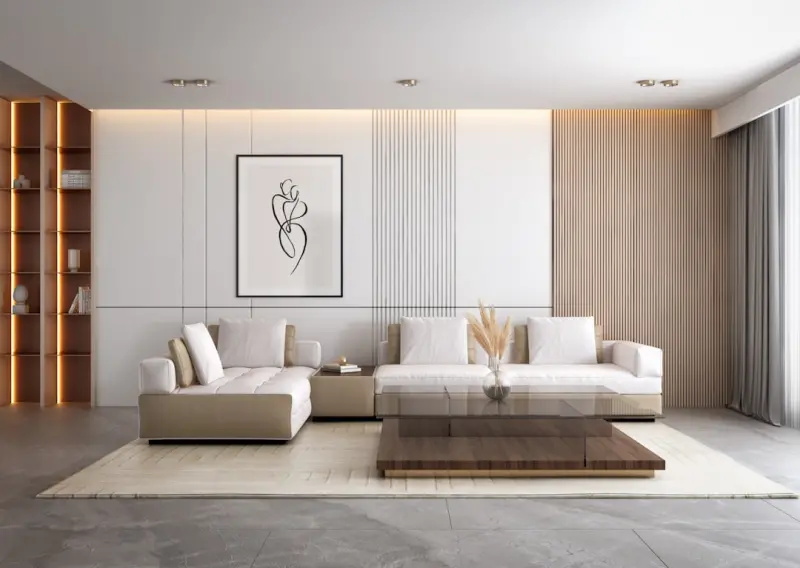
When I first walked into a friend’s newly renovated loft, I wasn’t just looking at color palettes or furniture arrangements—I was feeling the room. The soft hum of a hidden air purifier, the faint scent of cedar, the way light slipped through a slatted wooden screen and painted the floor with amber stripes. That moment reminded me why interior design is more than visual composition; it’s an orchestrated experience for every sense.
Why the Senses Matter in Design
Most design conversations start with “what looks good,” but the human brain processes a symphony of stimuli before forming a judgment. Sight captures attention, sound sets rhythm, touch creates intimacy, smell triggers memory, and taste—though rarely considered—can be subtly introduced through edible plants or aromatic herbs.
When these elements align, a space does more than please the eye; it supports wellbeing, boosts productivity, and nurtures emotional balance. In an era where remote work blurs the line between office and home, the stakes for thoughtful, multisensory environments have never been higher.
1. The Power of Acoustic Comfort
Open‑plan layouts are popular, yet they often neglect the acoustic impact of a bustling space. A room that reverberates with echoes can increase stress and diminish concentration. Consider integrating:
- Soft textiles: Thick curtains, plush rugs, and upholstered furniture absorb stray sound.
- Acoustic panels: Decorative panels made from recycled cotton or wood wool double as art.
- Natural sound sources: A small indoor water feature or a strategically placed indoor plant can mask intrusive noises with soothing white noise.
By curating the soundscape, you create a backdrop that encourages focus and relaxation without sacrificing aesthetic appeal.
2. Curating Scents That Anchor Memories
Scent is a potent trigger for nostalgia and mood regulation. While many designers shy away from “over‑perfuming” a space, subtle, natural aromas can anchor a room’s identity. Here are three approaches:
- Material‑derived aromas: Cedar, pine, or reclaimed barn wood release a faint, comforting scent as they age.
- Live greenery: Herbs like rosemary or lavender double as visual interest and aromatic companions.
- Eco‑friendly diffusers: Use essential oil blends that complement the room’s function—citrus for a kitchen, eucalyptus for a bathroom, sandalwood for a meditation nook.
When scent aligns with purpose, it subtly reinforces the activities that happen within those walls.
3. Texture: The Unseen Hand of Comfort
Touch is often overlooked in design specs, yet texture can transform a sterile environment into a welcoming haven. A few strategies to amplify tactile richness:
- Layered fabrics: Pair a smooth linen sofa with a chunky knit throw and a woven wall hanging.
- Mixed materials: Combine matte concrete countertops with warm brass fixtures for contrast.
- Interactive surfaces: Install a reclaimed wood bench with a hand‑carved groove that invites occupants to run their fingers along the grain.
These tactile cues invite occupants to linger, fostering a deeper emotional connection to the space.
4. Light as a Mood Modifier
Natural light remains the gold standard for health, but artificial lighting can be engineered to mimic its benefits. Consider:
- Dynamic lighting systems: Lights that adjust color temperature throughout the day, shifting from cool blues in the morning to warm ambers in the evening.
- Layered illumination: Combine ambient ceiling lights, task lamps, and accent LEDs to create depth.
- Light‑diffusing elements: Frosted glass or paper lanterns soften harsh glare while maintaining brightness.
When light is thoughtfully staged, it not only enhances visual clarity but also regulates circadian rhythms, improving sleep quality and overall vitality.
5. The Intersection of Technology and Sensory Design
Technology can amplify, not replace, the sensory experience. For instance, augmented reality tools allow clients to preview how a scent diffuser or acoustic panel will feel within a virtual mock‑up, bridging the gap between imagination and reality. Likewise, smart thermostats can synchronize temperature changes with lighting cues, creating a holistic environment that feels intuitive rather than mechanical.
6. Biophilic Design: Bringing the Outdoors In
Biophilia—our innate affinity for nature—has moved beyond the trend of adding a single potted plant. It’s an overarching philosophy that integrates natural forms, materials, and processes into built environments. Effective biophilic design includes:
- Living walls: Vertical gardens that act as both visual focal points and natural air purifiers.
- Organic shapes: Furniture with curved lines reminiscent of river stones or tree branches.
- Daylight mapping: Positioning spaces to capture the sun’s path, mirroring seasonal shifts.
When these elements coexist, occupants report reduced stress, heightened creativity, and a stronger sense of belonging.
7. Adaptive Spaces for Multi‑Generational Living
Our households are evolving. Many families now share homes across generations, requiring spaces that can flex without feeling cramped. Design solutions include:
- Modular furniture: Pieces that reconfigure—from a daybed that converts into a study nook.
- Sliding partitions: Transparent or frosted glass panels that offer privacy while preserving visual flow.
- Universal design principles: Lever handles, level thresholds, and non‑slip flooring that accommodate all ages and abilities.
By designing for adaptability, you future‑proof a home against changing needs, ensuring longevity and relevance.
8. Color Psychology: More Than Aesthetic
Color influences mood, appetite, and productivity. While the industry often touts “trend colors,” a strategic approach aligns hue with function:
- Calming blues: Ideal for bedrooms and meditation areas, reducing heart rate.
- Stimulating yellows: Perfect for kitchens and creative studios, enhancing focus and optimism.
- Grounding greens: Excellent for living rooms, fostering a sense of balance and connection.
Layering these colors through accent walls, décor, and textiles creates depth without overwhelming the senses.
9. Sustainable Sensory Choices
While sustainability is a broad umbrella, integrating eco‑friendly sensory elements adds an extra layer of responsibility. Consider reclaimed timber that releases a warm, woody aroma, or natural fiber rugs that invite barefoot exploration. These choices not only reduce environmental impact but also enrich the tactile and olfactory experience of a space.
10. Curating Personal Narratives Through Objects
Every object tells a story. By intentionally selecting pieces with personal significance—a travel‑sourced ceramic, a family heirloom, or a handcrafted tapestry—you embed narrative depth into the room. This storytelling aspect transforms a space from a generic showroom to a lived, loved environment.
Putting It All Together: A Sensory Design Checklist
To help you translate these concepts into practice, use this quick reference when planning a project:
- Audit the acoustic environment: Identify echo points and plan absorption strategies.
- Define a scent profile: Choose natural aromas that complement the room’s function.
- Select tactile layers: Mix fabrics, textures, and materials for a rich touch experience.
- Plan lighting zones: Balance natural light with dynamic artificial sources.
- Integrate tech thoughtfully: Use AR previews and smart systems to enhance, not dominate.
- Embed biophilic elements: Introduce living walls, organic shapes, and daylight mapping.
- Design for adaptability: Choose modular pieces and flexible partitions.
- Apply color psychology: Align hues with the intended emotional tone.
- Prioritize sustainable materials: Opt for reclaimed, renewable, and low‑impact resources.
- Curate meaningful objects: Fill the space with items that tell a story.
When each of these layers is considered, the result is a space that feels alive—a place where the senses are honored, and the occupant thrives.
Case Study: A Multisensory Home Office Transformation
One recent project involved converting a spare bedroom into a home office for a freelance writer. The client struggled with focus and reported frequent headaches.
Acoustic Solution: We installed fabric‑wrapped acoustic panels shaped like abstract leaves, reducing reverberation by 45%.
Lighting Upgrade: A tunable LED system was programmed to mimic natural daylight, gradually shifting to warmer tones in the evening.
Texture & Touch: A reclaimed oak desk paired with a hand‑woven sisal rug created a tactile contrast that encouraged movement.
Scent Integration: A small rosemary plant on the windowsill released a faint, invigorating aroma, which the client found helpful during brainstorming sessions.
Biophilic Touch: A vertical garden of pothos added greenery and acted as a natural air filter.
Within two weeks, the client reported a 30% increase in productivity and a noticeable reduction in eye strain. This outcome underscores the power of a holistic, sensory‑first design approach.
Looking Ahead: The Future of Sensory Interiors
As technology continues to evolve, we’ll see deeper integration of sensors that respond to occupants’ physiological cues—adjusting light, temperature, and even scent in real time. Yet the core principle remains unchanged: spaces must resonate with the human body and mind.
Designers who prioritize the full spectrum of senses will craft environments that stand the test of time, fostering health, happiness, and a profound sense of belonging.
Ready to elevate your interiors beyond visual appeal? Start by listening—to the walls, the light, the subtle fragrance of the wood, and most importantly, to the people who will inhabit the space.

Margaret Thomson is a seasoned freelance writer specializing in the dynamic worlds of marketing and advertising. With a career deeply rooted in the marketing field, Margaret brings a wealth of practical experience and insightful knowledge to her writing.
Related Posts
Designing Spaces That Breathe: How Biophilic Interiors Boost Well‑Being and Performance
Discover the power of biophilic interior design—from strategic plant placement to sensory branding... Read More
Designing for the Senses: How Multisensory Interiors Are Redefining Modern Spaces
A deep dive into multisensory interior design, covering acoustic architecture, olfactory storytellin... Read More

Designing Spaces That Tell Your Story: A Fresh Take on Interior Narrative
Discover the art of narrative interior design, from sustainable materials and biophilic touches to u... Read More
Top Posts

Why WebAssembly Is the Secret Weapon for Next‑Gen SaaS Frontends
In this deep‑dive, Rose DesRochers explains why WebAssembly is becoming essential for SaaS frontends, covering performance gains, edge integration, SEO benefi...Read More

How Google’s AI Search Is Quietly Redefining B2B SaaS Visibility
Google’s new AI-driven search algorithm demands intent‑first storytelling, structured data, and a coordinated tech stack, offering B2B SaaS companies a quie...Read More

Invisible Guardians: A Fresh Blueprint for Kids Safety
Learn how to create an invisible‑guardian safety system that blends play‑centric design, predictable routines, subtle tech, and eco‑friendly practices, le...Read More

Search Engine Marketing Trends to Watch in 2023
Stay ahead of the curve with the latest search engine marketing trends, including voice search optimization, AI-powered tools, and email marketing best practice...Read More
0 Comments
Post Comment
You will need to Login or Register to comment on this post!