

The Storytelling Canvas of Your Home
Every room I walk into feels like the opening chapter of a personal novel, and I insist that my own interiors should read aloud the experiences that have shaped me. Design, for me, is a narrative medium where furniture, texture, and light become characters that converse with the occupant, subtly reminding us of where we’ve been and where we’re heading. I begin each redesign by asking what memory I want the walls to whisper, then I let that answer guide my layout, palette, and the objects I choose to showcase.
Sustainable Materials That Speak Volumes
When I scout for the perfect reclaimed timber or responsibly sourced linen, I’m not just checking a box; I’m inviting the history of those materials into my living space. The patina of aged wood tells a story of weathered seasons, while organic cotton cushions whisper of fields untouched by harsh chemicals, creating a dialogue between past and present that feels both grounding and aspirational. Choosing such elements transforms a room from a static backdrop into a living archive of conscientious craftsmanship.
Crafting a Narrative Toolbox
Just as a writer gathers pens and notebooks, I assemble a personal design toolbox that empowers me to translate ideas into reality, and I often reference the insights from Crafting a Personal Toolbox That Actually Works to refine my process. This collection includes mood‑board apps, swatch journals, and tactile samples that let me test how a shade feels under natural light before committing. By keeping these tools at hand, I can pivot quickly, ensuring that the evolving story of my home stays fluid and authentic.
Color Psychology for Home Offices
In the era of remote work, the hue of your office walls can become a silent productivity partner, and I’ve learned to treat color like a subtle soundtrack that nudges focus or calm. Soft blues and muted greens tend to lower heart rates, fostering concentration, while warm amber accents can spark creativity without overwhelming the senses. By layering these shades through wall paint, desk accessories, and artwork, I craft an environment that mirrors the ebb and flow of my workday, turning the space into a visual ally.
Biophilic Touches and Nighttime Ambience
Bringing the outside in is more than a trend; it’s a way to anchor our urban lives to the rhythms of nature, and I often look to the principles of biophilic design for guidance. A cluster of hanging ferns, a reclaimed stone countertop, and a floor‑to‑ceiling window that frames sunrise all serve as daily reminders of the world beyond our walls. When daylight fades, I turn to the insights from Night Trails to curate a nighttime ambience that balances low‑glow fixtures with warm, indirect lighting, creating a sanctuary that feels both safe and invigorating under the stars.
Acoustic Comfort as a Design Element
Sound travels as quickly as light, and in my practice, I treat acoustic comfort with the same reverence I give to visual aesthetics. Plush rugs, velvet drapes, and acoustic panels upholstered in natural fibers act like silent sound‑absorbing canvases, softening echoes and fostering a sense of privacy even in open‑plan layouts. By thoughtfully layering these elements, I transform bustling spaces into hush‑filled retreats where conversation flows naturally without competing with unwanted reverberation.
Multi‑Functional Zones for Fluid Living
Modern homes rarely have the luxury of dedicated rooms, so I champion flexible zones that can shift purpose with a simple slide of a panel or a rearranged bookshelf. A modular sofa that converts into a guest bed, a rolling kitchen island that doubles as a workspace, and hidden storage compartments all contribute to a choreography of space that adapts to daily needs. This fluidity not only maximizes square footage but also mirrors the ever‑changing narrative of our lives, allowing each chapter to unfold without the constraints of static architecture.
Curating a Personal Museum at Home
Every traveler returns with a trove of artifacts, and I believe those treasures deserve more than a dusty shelf; they should become focal points that anchor a room’s story. By dedicating a “gallery wall” to framed travel photographs, hand‑carved souvenirs, and vintage postcards, I transform a hallway into a curated exhibition that invites guests to wander through my memories. The key is to balance display with breathing space, allowing each piece to breathe and speak without overwhelming the viewer.
Upcycling DIY Projects That Become Statements
There is a unique thrill in rescuing an old ladder and turning it into a vertical garden, or sanding down a thrifted dresser to reveal its original character; these upcycled creations become conversation starters that embody both sustainability and personal ingenuity. I often start with a single piece of discarded furniture, research techniques, then experiment with stain, paint, or hardware swaps until the object feels reborn. The result is a one‑of‑a‑kind accent that not only saves waste from landfills but also carries a narrative of transformation, echoing the larger story of the home itself.
Smart Integration: When Digital Meets Design
Technology is no longer a separate layer; it weaves into the very fabric of interior aesthetics, and I love exploring how smart lighting, climate control, and AR visualizers can enhance the storytelling experience. By syncing dimmable LEDs with natural circadian rhythms, a room can shift from energizing sunrise tones to cozy twilight hues at the press of a button, reinforcing the emotional cadence of the day. For those who crave a preview before committing, I recommend using augmented reality tools that overlay virtual furniture onto real spaces—an approach echoed in the broader conversation about Digital Neighborhoods where community and tech intersect.

When it comes to the world of blogging and writing, Rose DesRochers is a name that stands out. Her passion for creating quality content and connecting with her audience has made her a trusted voice in the industry. Aside from her skills as a writer and blogger, Rose is also known for her compassionate nature.
Related Posts
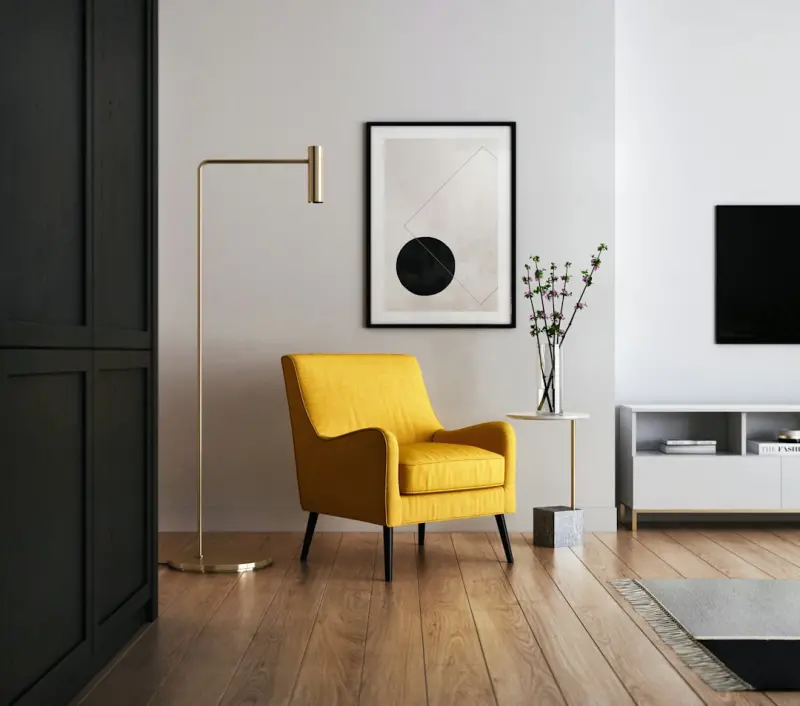
Curating Creative Flow: Interior Design Secrets for Modern Workspaces
Explore how thoughtful interior design—using light, texture, color, and sustainable materials—ca... Read More
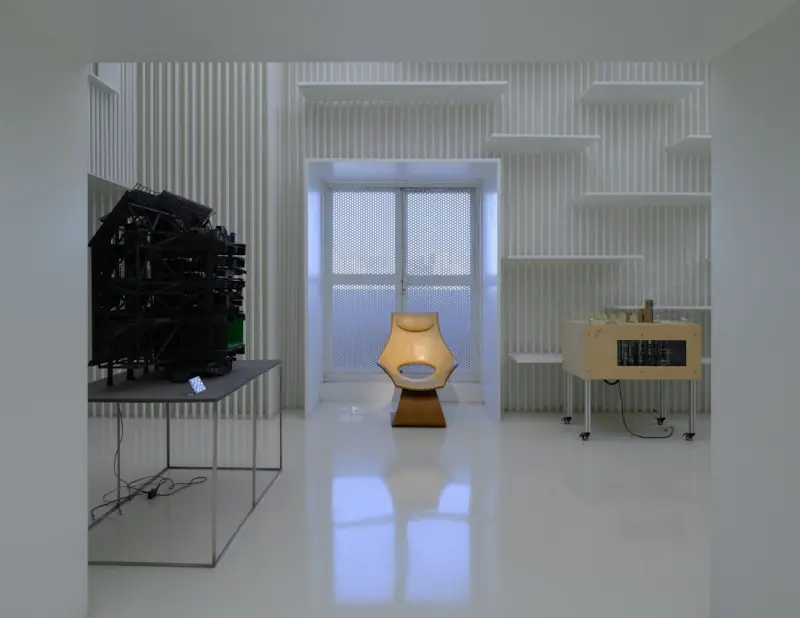
The Rise of Sensory‑Driven Spaces: Designing Interiors for Well‑Being and Focus
Discover the emerging trend of sensory‑driven interior design, where light, sound, texture, scent,... Read More

Living Green: How Biophilic Design Turns Home Offices Into Wellness Hubs
A deep dive into biophilic design for home offices, showing how natural elements, sustainable materi... Read More
Top Posts
When Borders Blur: How Digital Nomads are Redefining Urban Life
Digital nomads are transforming cities by creating micro‑communities, fueling cultural exchange, and spurring economic change, while also prompting new challe...Read More
Living Green: How Biophilic Design Turns Home Offices Into Wellness Hubs
A deep dive into biophilic design for home offices, showing how natural elements, sustainable materials, and mindful tech placement can reduce stress, boost cre...Read More

Beyond the Tourist Trail: Crafting Immersive Micro‑Adventures
Explore the art of micro‑adventures: a sensory‑first approach, real‑time data integration, and trust‑based stays that turn short trips into unforgettabl...Read More

Voice‑First SEO: How to Make Your SaaS Site Talk Back
Discover a step‑by‑step voice‑first SEO strategy that turns spoken queries into qualified leads, covering conversational intent, schema markup, performanc...Read More
0 Comments
Post Comment
You will need to Login or Register to comment on this post!