

Why Turn Everyday Chores Into Epic Adventures?
When I was a kid, the idea of cleaning my room felt like a punishment—until I discovered the power of imagination. Fast‑forward to today, and I see the same spark waiting to be ignited in the kids and teens around me. The secret sauce? Turning the mundane into a story worth telling.
Parents often ask: “How do I get my teenager to actually care about doing the dishes?” The answer isn’t about nagging or strict schedules; it’s about framing the task as a quest that unlocks experience points, secret rewards, and a sense of accomplishment. This approach does three things simultaneously:
- Boosts intrinsic motivation—kids start doing things because they want to, not because they’re forced to.
- Builds real‑world skills—time management, teamwork, and responsibility become part of the narrative.
- Strengthens family bonds—shared storylines create inside jokes and a collaborative spirit.
The Quest Framework: From Plot to Play
Here’s a step‑by‑step guide I use with my own family, and you can adapt it to any age group.
- Define the Mission: Start with a clear, specific chore—e.g., “Sort recycling” or “Mow the lawn.” Phrase it as a mission statement: “Recover the hidden treasures of the recycling kingdom.”
- Assign Roles: Give each participant a character—Scout, Engineer, Strategist, etc. Even a teen can be the “Commander” who plans the route.
- Set the Stakes: Create a point system or badge hierarchy. For example, 10 points for each bag of recyclables, 20 points for correctly separating glass, and a “Eco‑Hero” badge after 100 points.
- Introduce Obstacles: Add time limits, surprise “weather changes” (like a sudden rain), or hidden “bonus items” that earn extra points.
- Reward the Victory: Celebrate with a family movie night, a small allowance boost, or a special treat. The key is to tie the reward directly to the achievement.
Tools and Tech That Amplify the Adventure
While the core idea is low‑tech, modern tools can make the experience richer and more trackable.
- Gamified Apps: Apps like Habitica or custom Google Sheets let you log quests, assign points, and display leaderboards.
- Smart Wearables: A simple smart wristband can track movement during a yard‑work quest, ensuring safety while rewarding effort.
- Voice Assistants: Use Alexa or Google Home to announce “Quest Start!” or provide real‑time updates like “You’ve earned 30 points—just 20 more to earn the Golden Spoon badge!”
- Physical Props: Hand‑drawed maps, treasure chests for finished tasks, and stickers for younger kids add tactile excitement.
Safety First: How Wearables Keep the Fun Secure
When we introduced a smart wristband to our family’s weekend “Mountain Rescue” cleaning quest, it was a game‑changer. The device monitored location and sent alerts if anyone strayed too far from the “base camp” (our backyard). Parents could relax, knowing the tech was silently watching while the kids were immersed in the story. For teens, the same tech can track heart rate during physically demanding tasks, prompting a break if they overexert themselves.
Read more about the transformative potential of wearables in everyday child safety here. The article dives into practical device choices and how to set up privacy‑friendly alerts.
Inclusivity Matters: Designing Quests for All Minds
Not every child engages with the same triggers. Some thrive on visual cues, others on auditory prompts, and a few on tactile feedback. To ensure every teen feels welcome, incorporate inclusive design principles into your quest structure:
- Visual Scaffolding: Use color‑coded charts and icons to represent tasks.
- Audio Prompts: Offer spoken mission briefings for those who process information better through listening.
- Tactile Rewards: Include physical tokens like rubber stamps or custom dice that can be rolled for bonus points.
- Flexible Timing: Allow a “pause” option for kids who need extra processing time without breaking the narrative flow.
By designing quests that respect diverse learning styles, you create a space where neurodivergent teens can shine alongside their peers.
Real‑Life Success Stories
Here are a few anecdotes that illustrate the power of the quest model.
1. The “Garden Guardians” Project
My neighbor’s 13‑year‑old, Maya, turned weekly garden weeding into a “Defend the Green Realm” mission. She drafted a map, assigned roles, and even created a “Plant‑Rescue” badge. Within a month, the garden flourished, and Maya’s confidence skyrocketed. She started applying the same planning skills to her school science project, earning top marks.
2. The “Laundry Lab” Challenge
For my own teenage son, Alex, laundry was a dreaded chore. I turned it into a “Fabric‑Fusion” lab where each load was a “chemical experiment.” He earned points for sorting colors correctly and for measuring detergent precisely. The result? Clean clothes, a deeper appreciation for chemistry, and a new hobby of DIY laundry detergents.
3. The “Digital Detox Quest” (Not About Reducing Screens)
Instead of telling my 11‑year‑old to “stop using the tablet,” we created a “Digital Explorer” quest where each hour of screen time earned a “knowledge token.” Those tokens could be exchanged for real‑world adventures like a bike ride or a cooking session. The focus shifted from restriction to balanced reward, and screen time naturally settled at a healthier level.
Getting Started: A 7‑Day Pilot Plan
Ready to roll out your first family quest? Here’s a quick pilot you can launch this weekend.
- Day 1 – Brainstorm Session: Gather the family for a 30‑minute storytelling jam. Choose a theme (pirates, space explorers, detectives) and list 3–5 chores that fit the narrative.
- Day 2 – Role Assignment: Hand out character cards. Let each person pick a role that aligns with their strengths.
- Day 3 – Point System: Define a simple point chart. Write it on a whiteboard where everyone can see it.
- Day 4 – Tech Integration: Set up a smart wristband for safety monitoring, or download a gamified habit app.
- Day 5 – First Quest Launch: Announce “Quest Start!” with fanfare—maybe a drum roll on a phone speaker.
- Day 6 – Review & Reward: Tally points, hand out badges, and celebrate with a family movie or a favorite snack.
- Day 7 – Iterate: Ask each participant what worked, what felt boring, and adjust the storyline or points accordingly.
After this pilot, you’ll have a framework to expand into weekly or monthly campaigns, each with new themes, challenges, and rewards. The flexibility ensures the system never feels stale.
Scaling Up: From Home to Community
Once your family is comfortable with the quest model, consider scaling it to a larger group:
- School Clubs: Propose a “Quest Club” where students design missions for school‑wide service projects.
- Neighborhood Networks: Create a “Block Quest” where families collaborate on communal tasks like park clean‑ups.
- Online Communities: Use a private Discord or Slack channel to share quest progress, leaderboards, and badge designs with friends from other towns.
When you extend the adventure beyond your household, you also reinforce social responsibility—kids learn that their actions have impact beyond the walls of their own home.
Final Thoughts: The Power of Playful Purpose
In a world saturated with ready‑made entertainment, the most rewarding experiences often come from creating your own story. By turning chores into quests, you give kids and teens a canvas for imagination, a framework for skill development, and a tangible sense of progress.
Remember, the magic isn’t in the fancy tech or elaborate props; it’s in the shared narrative you build together. So grab a marker, draft a map, and watch ordinary tasks transform into legendary adventures.

Tyler Johnson is a seasoned freelance writer with a keen eye for detail and a passion for crafting compelling narratives. His years of experience have honed his ability to adapt his style to suit diverse client needs and project requirements.
Related Posts
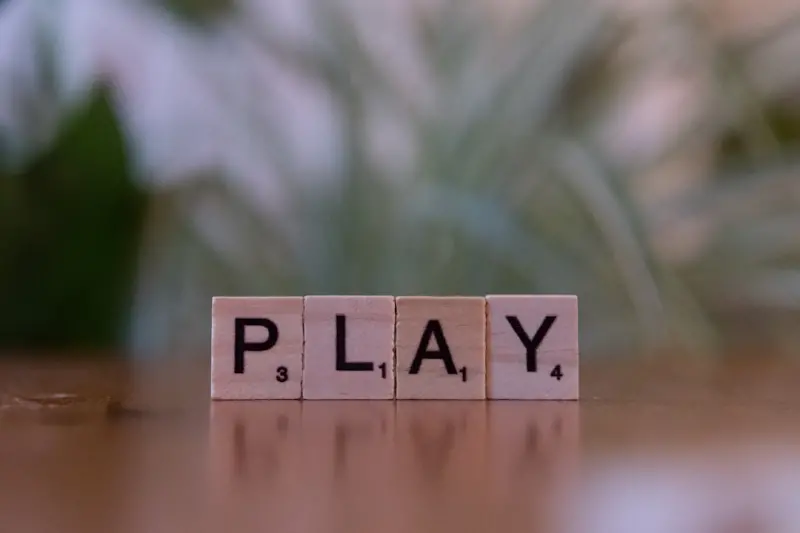
Playful Learning: Turning Everyday Moments Into Creative Superpowers for Teens
Explore the power of play in teen education with practical ideas—from AR home labs and subscriptio... Read More

Kids as Co‑Creators: Building Real‑World Impact with DIY Tech Labs
DIY tech labs turn everyday curiosity into real‑world impact. Learn why kids are becoming co‑cre... Read More

When Play Becomes Power: The Next Wave of Creative Tech for Kids & Teens
A deep dive into emerging technologies—storytelling platforms, AR board games, microadventures, an... Read More
Top Posts

Reimagining WordPress: The Headless Future for Modern SaaS Teams
WordPress is evolving from a traditional blog platform to a headless content hub for SaaS, offering flexibility, performance, multilingual support, and robust g...Read More

Taste the World: Mapping Flavors on Foot
Explore a new travel mindset that lets your palate lead the way. From AI‑guided market finds to zero‑waste packing, learn how to map flavors and bring the w...Read More

The Future of Energy: A Sustainable Revolution
The energy industry is on the cusp of a revolution, driven by declining costs and improving efficiencies in renewable energy sources. Learn about the latest dev...Read More

From Data Chaos to Creative Gold: A Blueprint for Modern Media Agencies
Media agencies can unlock higher ROI by unifying data, protecting assets with zero‑trust, and embracing shoppable video, turning chaotic metrics into creative...Read More
0 Comments
Post Comment
You will need to Login or Register to comment on this post!