
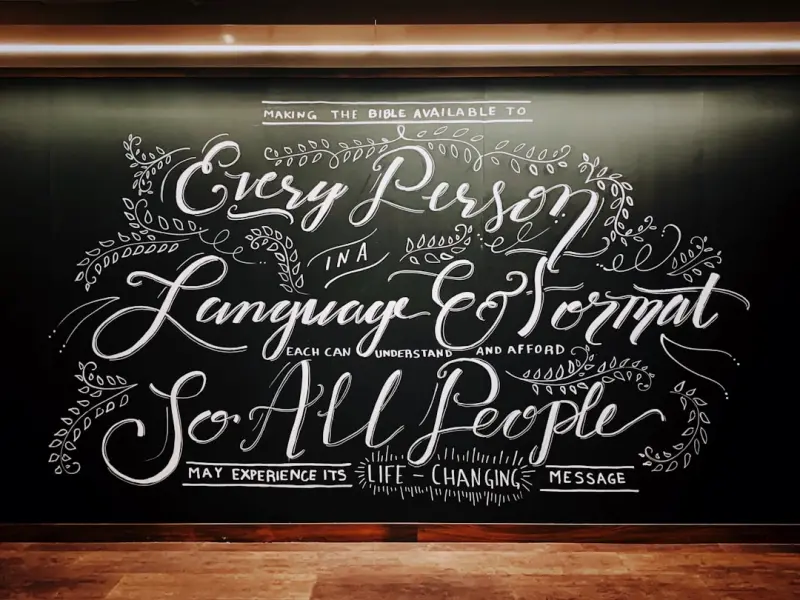
Why Microcopy Matters More Than You Think
In the bustling world of web design, the smallest words often wield the greatest power, shaping user perception before a single click is made. Microcopy—those concise bits of instructional or persuasive text—acts like a quiet guide, easing anxiety, building confidence, and subtly nudging visitors toward desired actions. As a designer who’s watched countless projects stumble over vague button labels, I’ve learned that refining those tiny sentences can turn friction into fluidity and hesitation into commitment.
The Psychology Behind Tiny Text
Human brains are wired to seek clarity; ambiguous prompts trigger a fight‑or‑flight response, while clear, friendly language triggers a reward circuit that releases dopamine. By embedding empathy and directness into error messages, form placeholders, and call‑to‑action copy, you tap into this neuro‑response, fostering user trust and reducing abandonment rates. Studies show that well‑crafted microcopy can lift conversion rates by up to 20 %, a statistic that underscores its strategic importance beyond mere aesthetics.
Crafting Conversational Error Messages
When something goes wrong, users crave reassurance, not blame. Instead of the generic “Error 404”, consider a tone that acknowledges the mishap and offers a solution—think “Oops, we couldn’t find that page. Let’s get you back on track.” This simple shift transforms frustration into a collaborative problem‑solving moment, encouraging users to stay rather than exit. Pairing this with a helpful link back to the homepage or a search bar demonstrates care and competence in equal measure.
Guiding Forms with Purposeful Placeholders
Form fields are notorious drop‑off points, but purposeful placeholders can act as silent coaches, reducing cognitive load and boosting completion rates. Instead of vague prompts like “Enter email”, use “yourname@example.com” to illustrate format, or add brief hints such as “We’ll never share your address”. These tiny nudges convey transparency and respect for the user’s time, leading to smoother data collection and higher quality leads.
Elevating Calls to Action with Micro‑Motivation
A call to action (CTA) is only as strong as the promise it carries. By injecting micro‑motivation—words like “Get instant access” or “Start your free trial now”—you create urgency and clarity simultaneously. The secret lies in aligning the CTA copy with the user’s immediate goal, ensuring that the button label feels like a natural next step rather than a sales pitch. When paired with subtle animation, this microcopy can dramatically increase click‑through rates.
Leveraging Microcopy for Accessibility
Accessibility isn’t just about color contrast or alt text; it’s also about clear, concise language that can be easily parsed by screen readers. Descriptive link texts such as “Download the 2024 style guide (PDF)” give context without extra navigation, while ARIA‑labelled buttons provide explicit actions for assistive technologies. By embedding these practices into your microcopy, you broaden your audience and comply with inclusive design standards, turning compliance into a competitive advantage.
Testing Microcopy Through Real‑World Experiments
Just as visual design undergoes A/B testing, microcopy should be subjected to the same rigorous experimentation. Swap out button labels, error messages, or tooltip text and measure impacts on key metrics like bounce rate and conversion. Tools such as Optimizely or Google Optimize make it simple to run these tests, revealing which phrasing resonates best with your audience. Remember, even a single word change—from “Submit” to “Send Message”—can shift user behavior dramatically.
Integrating Microcopy Into Design Systems
To ensure consistency at scale, embed microcopy guidelines directly into your design system alongside components and style tokens. Create a living repository of approved copy snippets, tone of voice rules, and contextual usage examples. This approach not only speeds up hand‑off between designers and developers but also safeguards brand voice across every touchpoint. When the entire team references a single source of truth, the risk of contradictory messaging evaporates.
Future‑Proofing Your Tiny Text Strategy
As AI‑driven content generators become more prevalent, the role of the human microcopy writer evolves from creation to curation. Leveraging AI low‑code tools can accelerate draft generation, but the final polish—infusing empathy, brand personality, and contextual nuance—remains a uniquely human art. By staying attuned to emerging linguistic trends and continuously iterating based on user feedback, you’ll keep your microcopy fresh, relevant, and irresistibly effective.

Laura Wilson is a freelance writer specializing in the dynamic and ever-evolving field of health. With a passion for translating complex medical information into accessible and engaging content, Laura brings a wealth of knowledge and a fresh perspective to topics ranging from preventative care and nutrition to cutting-edge research and innovative treatments.
Related Posts

Designing for Neurodiversity: The Next Frontier in Inclusive Web Experiences
A deep dive into neuro‑inclusive web design, offering actionable principles, a step‑by‑step wo... Read More
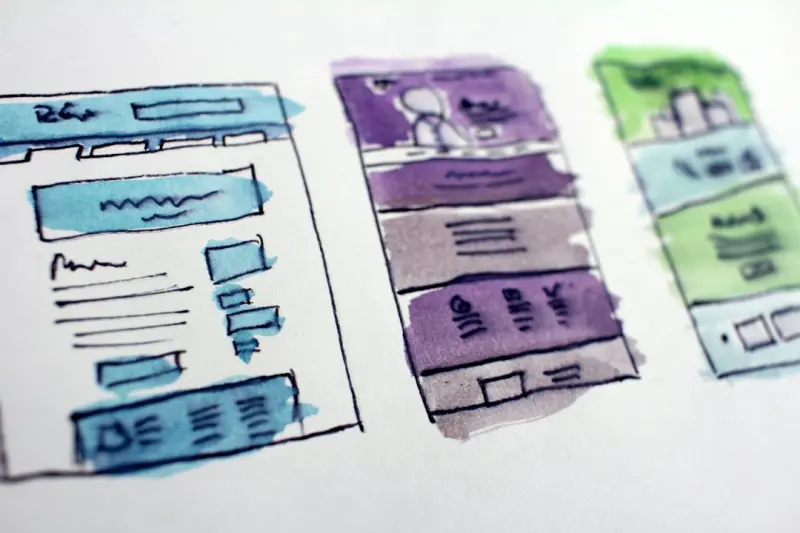
When Web Design Becomes a Conversational Playground
Learn how conversational web design blends intent recognition, adaptive interfaces, and human‑cent... Read More
Designing for Trust: A Human‑Centric Reboot for Web Interfaces
A fresh look at web design that prioritizes user trust over attention tricks, leveraging design syst... Read More
Top Posts
Education’s Green Leap: How AI, Storytelling, and Gamification Are Redefining Learning
Discover the latest trends reshaping education—AI co‑teachers, eco‑storytelling, and green gamified learning—offering practical insights for educators r...Read More
Micro‑Celebrations: Tiny Rituals That Transform Everyday Moments
Explore the power of micro‑celebrations—small, intentional rituals that turn everyday moments into lasting joy and stronger community bonds....Read More

Navigating Online Safety in 2026: A Sustainable, Human‑Centric Playbook
A 2026 roadmap to online safety that merges eco‑friendly tech, AI threat awareness, and community education for a resilient digital experience....Read More

Upcycling Kitchen Scraps into Gourmet Delights
Learn how to transform everyday kitchen scraps into gourmet meals, boost sustainability, and add excitement to your cooking routine with practical tips and chef...Read More
0 Comments
Post Comment
You will need to Login or Register to comment on this post!