
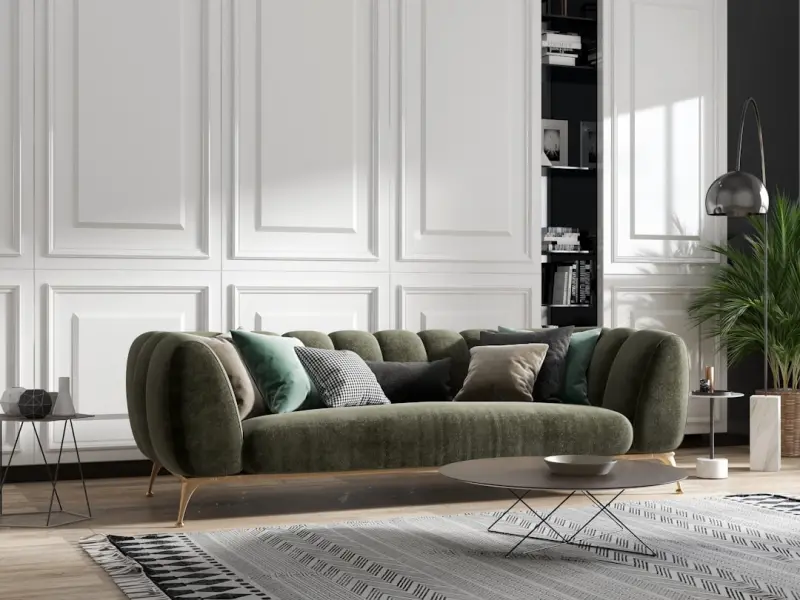
Why Neurodiversity Matters in Interior Design
When I first stepped into a coworking space that felt too open, I noticed how my focus drifted like a feather in a wind tunnel. A colleague with sensory sensitivities later confessed that the space felt overstimulating—the echo of footsteps, the glare from fluorescent lights, the kaleidoscope of colors. That moment sparked a question that has guided my design philosophy ever since: How can we craft interiors that honor the full spectrum of human neurocognitive experiences?
Neurodiversity is the recognition that brains differ in the ways they process information, react to stimuli, and experience comfort. It encompasses autism, ADHD, dyslexia, sensory processing disorder, and countless other variations. While the term has gained traction in education and workplace policy, its implications for interior design are still emerging. By intentionally shaping spaces for neurodiverse users, we not only create more inclusive homes and offices, we unlock creativity, productivity, and emotional well‑being for everyone.
The Science Behind Space and the Brain
Neuroscientists have long demonstrated that our environment directly influences the brain’s default mode network, the system responsible for attention, memory, and emotion regulation. A digital twin of a room can map light levels, acoustic reflections, and color contrast in real time, revealing hidden stressors that most people overlook. For neurodivergent individuals, these stressors are often magnified:
- Lighting: Flickering LEDs or harsh glare can trigger migraines or sensory overload.
- Acoustics: Background chatter, HVAC hum, and echoing surfaces can scramble auditory processing.
- Texture & Materials: Rough fabrics or uneven flooring can feel uncomfortable, even painful.
- Color & Contrast: Highly saturated palettes may overwhelm visual processing, while low contrast can hinder navigation for those with dyslexia.
Understanding these variables allows designers to make data‑driven decisions that respect the neurobiological realities of all occupants.
Lighting the Way: From Fluorescent to Human‑Centric
Natural light is a neuro‑friendly powerhouse. It regulates circadian rhythms, boosts serotonin, and improves focus. Yet many urban dwellings rely on artificial lighting that mimics daylight poorly. To counter this, I recommend:
- Installing full‑spectrum LED panels that replicate the sun’s color temperature throughout the day.
- Using layered lighting: a combination of ambient, task, and accent lights that can be dimmed independently.
- Incorporating light‑filtering window treatments that reduce glare without sacrificing natural illumination.
For those who are hypersensitive to light, a simple switchable lighting system—controlled via smartphone or voice—offers immediate relief.
Acoustic Harmony: The Role of Soundscapes
Sound is often the silent antagonist in poorly designed interiors. While soundscape design has been popularized in open‑office concepts, the same principles apply at home. Soft, predictable ambient noise—like a gentle waterfall or low‑frequency white noise—can mask intrusive sounds and provide a calming backdrop for concentration.
Practical steps include:
- Adding acoustic panels or fabric wall hangings to absorb echo.
- Choosing flooring with sound‑absorbing underlay such as cork or rubber.
- Installing double‑glazed windows to minimize external traffic noise.
- Integrating smart speakers programmed with soothing playlists that adapt to the time of day.
When sound is managed thoughtfully, it becomes a supportive feature rather than a distraction.
Color Theory for the Neurodiverse Mind
Color isn’t just aesthetic; it’s physiological. Warm hues (reds, oranges) can increase arousal, while cool blues and greens tend to soothe. However, the intensity and contrast matter. For individuals with sensory sensitivities, high‑contrast patterns can cause visual fatigue, while muted palettes may aid relaxation.
My approach is to adopt a “calm‑core” palette: soft neutrals punctuated by gentle accent colors. This strategy provides visual interest without overwhelming the visual processing pathways. When a pop of color is desired, I suggest using it in localized zones—a single accent wall, a piece of furniture, or decorative accessories—so that it can be enjoyed at a glance but easily ignored if needed.
Texture and Tactile Comfort
Touch is a powerful, often underutilized design dimension. Rough textures can be jarring for those with tactile sensitivities, while smooth, plush surfaces can provide a sense of security. To accommodate a broad range of preferences:
- Choose soft, breathable fabrics for upholstery (linen, cotton, Tencel).
- Include rounded furniture edges to reduce accidental bumps.
- Offer multiple flooring options in a single room—hardwood paired with area rugs of varying pile heights.
- Provide optional tactile accessories like textured cushions or weighted blankets for users who find them calming.
Spatial Layout: Zones for Focus and Reset
Open‑plan designs can be liberating but often lack the ability to “step out” for a mental reset. For neurodiverse occupants, clearly defined zones help delineate work, relaxation, and sensory‑recharge areas. Consider a “triptych” layout:
- Focus Zone: A desk with minimal visual clutter, adjustable lighting, and sound‑absorbing elements.
- Recharge Zone: A nook with a comfortable chair, a soft blanket, and a dimmable lamp—ideal for sensory breaks.
- Social Zone: A small gathering space with flexible seating that encourages interaction without feeling invasive.
This modular approach lets occupants transition smoothly between tasks, reducing cognitive load.
Technology Integration Without Overwhelm
Smart home tech promises convenience, but too many notifications can be counterproductive for neurodivergent users. To keep technology a helper rather than a hindrance:
- Utilize scene presets that adjust lighting, temperature, and sound with a single command.
- Implement voice‑controlled assistants that respond to simple, natural language.
- Set quiet hours where non‑essential alerts are silenced automatically.
- Choose devices with minimalist interfaces—large icons, high contrast, and tactile feedback.
The goal is a seamless environment where the tech fades into the background, only surfacing when truly needed.
Case Study: A Neurodiverse Family Home
Last year I partnered with a family of five, two of whom were on the autism spectrum. Their previous home felt chaotic: bright overhead lights, thin carpet that amplified footsteps, and a kitchen layout that forced them into a constant state of vigilance. We approached the redesign with three guiding principles: predictability, sensory modulation, and choice.
Predictability was achieved by standardizing hardware—identical door handles, consistent switch placements, and uniform drawer pulls—so muscle memory could develop without constant visual scanning.
Sensory modulation came from installing dimmable full‑spectrum lights in the living room, adding acoustic wall panels painted in a calming sage green, and swapping the thin carpet for a low‑pile, natural‑fiber rug that softened footsteps without muting them entirely.
Choice was introduced via a “sensory wall” in the hallway: a series of interchangeable panels—soft fabric, smooth wood, tactile foam—that children could rotate based on how they felt each day. The result? The family reported a 40% reduction in sensory-related meltdowns and an increased willingness to host friends, indicating that the space now felt welcoming rather than restrictive.
Bridging the Gap: From Concept to Reality
Implementing neurodiverse‑friendly design doesn’t require a complete overhaul. Start small:
- Audit the Space: Walk through each room with a checklist of lighting, acoustics, color, texture, and layout.
- Prioritize Interventions: Tackle the most disruptive elements first—often lighting or sound.
- Prototype with Modular Elements: Use removable panels, portable lighting, and interchangeable décor to test what works before committing to permanent changes.
- Gather Feedback: Invite occupants to share their sensory experiences regularly; iterate based on real‑world data.
The Business Case: Why Companies Should Invest
Inclusive design isn’t just a moral imperative; it’s a strategic advantage. Companies that prioritize neurodiverse-friendly workplaces see lower turnover, higher employee satisfaction, and improved innovation. A study from the Center for Inclusive Design found that teams operating in environments with adjustable lighting and soundscapes reported a 22% increase in creative output.
Moreover, as remote work becomes entrenched, employees are redesigning their home offices. Offering resources or stipends for neurodiverse‑centric upgrades can become a differentiator in talent acquisition, positioning a brand as genuinely employee‑centric.
Future Trends: Adaptive Environments Powered by AI
Imagine a room that senses when a user’s heart rate spikes and automatically dims lights, lowers ambient noise, and introduces a calming scent. While still emerging, AI‑driven environmental controls are on the horizon. Integrating digital twin simulations with biometric data will enable spaces that respond in real time to the neurophysiological state of their occupants.
Designers should begin familiarizing themselves with these technologies now—learning how to set up data pipelines, define privacy safeguards, and translate sensor input into meaningful design actions.
Conclusion: Design as an Act of Empathy
Every wall we paint, every fixture we choose, and every layout we devise carries an implicit message: who is welcome here? By centering neurodiversity in interior design, we shift from a one‑size‑fits‑all mindset to a compassionate, adaptable approach that honors the full spectrum of human experience. Whether you’re redesigning a living room, outfitting a coworking hub, or advising a client on a corporate office makeover, remember that the smallest adjustments—softened light, a gentle soundscape, a tactile cushion—can transform a space from a source of stress into a sanctuary of possibility.

Dale Peterson is a freelance writer with a passion for technology, travel, law and personal finance. With 10 years of experience crafting compelling and informative content, he's dedicated to delivering high-quality writing for Blogging Fusion that engages audiences and achieves specific goals.
Related Posts

Designing Adaptive Multi‑Use Rooms for Modern Living
Discover practical strategies to transform a single room into a versatile haven for work, entertainm... Read More
Beyond Aesthetics: Crafting Spaces That Nurture the Senses
A deep dive into multisensory interior design, revealing how sound, scent, texture, light, and thoug... Read More
Designing for the Senses: How Multisensory Interiors Are Redefining Modern Spaces
A deep dive into multisensory interior design, covering acoustic architecture, olfactory storytellin... Read More
Top Posts

Beyond Blog Posts: Building a Living Content Ecosystem for SaaS Growth
Learn why treating content as a modular, data‑driven ecosystem—rather than isolated blog posts—creates continuous engagement, higher conversions, and sust...Read More

From Clicks to Conversations: Rethinking SEO as a Relationship Engine
SEO is evolving from a focus on keywords and rankings to a relationship‑centric strategy that nurtures prospects throughout their buyer journey. Learn how int...Read More

Eco‑Cleaning Made Simple: DIY Recipes, My Journey, and How to Grow a Green Business
Explore my hands‑on eco‑cleaning journey, from pantry‑based recipes to scaling a green cleaning service, and learn how simple swaps can protect health and...Read More

Powering the Remote Workforce: How Micro‑Grids Are Redefining Office Energy
The post reveals how micro‑grids and Energy-as-a-Service are reshaping energy consumption for remote teams, offering resilience, cost savings, and a path to c...Read More
0 Comments
Post Comment
You will need to Login or Register to comment on this post!