
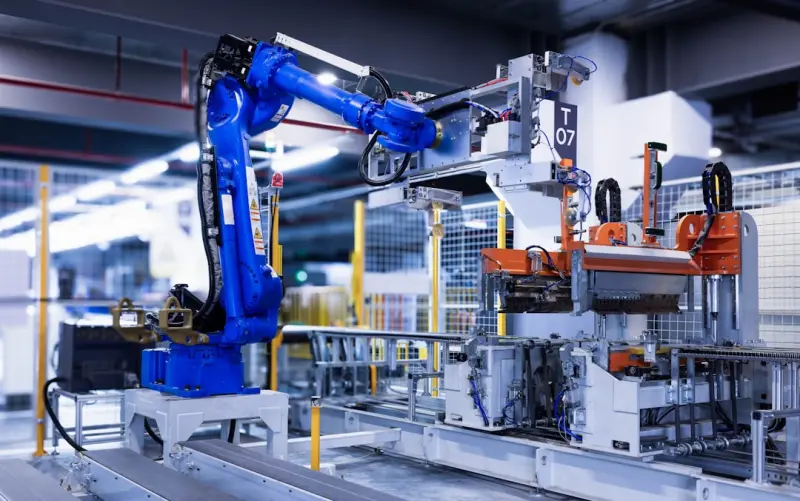
When I walked the production floor of a mid‑size manufacturing plant last month, the hum of legacy CNC machines blended with the faint beeping of a new, glass‑enclosed console. It struck me that we’re at a crossroads where the iron‑clad traditions of industrial engineering meet the fluid, data‑driven mindset of modern software. This isn’t just a tech upgrade; it’s a cultural shift that redefines how we think about every bolt, bearing, and belt.
From Static Assets to Living Systems
For decades, industrial equipment has been treated as a static asset – something you buy, install, and then hope it lasts. The moment a machine hiccups, you call a technician, replace a part, and hope the problem doesn’t recur. The reality is far messier: wear and tear, environmental fluctuations, and human error combine into a chaotic ballet that often ends in unplanned downtime.
Enter the concept of a digital twin – a real‑time, virtual replica of a physical asset that mirrors every vibration, temperature change, and torque spike. By feeding sensor data into a high‑resolution model, operators can watch a machine “breathe” in a dashboard, anticipate failures before they happen, and even simulate what‑if scenarios without ever stopping the line.
It sounds futuristic, but the building blocks are already here: low‑cost IoT sensors, edge‑computing platforms, and cloud‑native analytics. The trick is stitching these pieces together into a coherent workflow that respects both the reliability expectations of the shop floor and the agility demands of today’s market.
Why Digital Twins Matter for the Bottom Line
- Predictive Maintenance: Instead of reacting to a broken motor, you get a heads‑up that a bearing is approaching its wear limit. That translates to fewer emergency service calls and better utilization of maintenance staff.
- Production Optimization: Simulate a new product run on the twin to spot bottlenecks before the first raw material hits the floor. The result? Faster changeovers and higher overall equipment effectiveness (OEE).
- Supply Chain Resilience: By knowing the exact health of each asset, you can better forecast spare‑part needs, reducing inventory holding costs while avoiding stock‑outs.
These benefits aren’t abstract promises; they’re measurable KPIs that can be tied directly to profit margins. Companies that adopt digital twins early are already reporting up to a 20% reduction in unplanned downtime and a 15% boost in throughput.
Building the Twin: A Step‑by‑Step Playbook
Creating a digital twin isn’t a single‑click purchase. It’s a structured project that demands cross‑functional collaboration. Below is a pragmatic roadmap that I’ve refined over the past two years of consulting with manufacturers across the globe.
- Define the Scope – Start small. Pick a critical piece of equipment – perhaps a high‑value press or a key conveyor motor. Define the performance metrics you care about: temperature, vibration, cycle time, etc.
- Instrument the Asset – Deploy rugged sensors that can survive the industrial environment. Choose devices with built‑in edge processing to reduce data latency and bandwidth costs.
- Choose a Data Platform – This is where integrated AI dashboards shine. Look for solutions that can ingest streaming data, apply machine‑learning models, and surface actionable insights in real time.
- Model the Physics – Work with mechanical engineers to translate sensor streams into a physics‑based model. Open‑source libraries like OpenModelica or commercial packages can accelerate this step.
- Validate and Iterate – Run the twin in parallel with the physical machine for a trial period. Compare predictions against actual outcomes, tweak algorithms, and fine‑tune thresholds.
- Scale Out – Once confidence is built, replicate the pattern across the plant, then across multiple sites. Use a modular architecture so each twin can be managed independently yet report to a central command center.
The secret sauce is not just technology but governance. Establish clear data ownership, maintain a robust cybersecurity posture, and create feedback loops so that operators feel empowered rather than surveilled.
Edge Computing: Bringing Intelligence to the Factory Floor
One of the biggest misconceptions about digital twins is that they require a constant cloud connection. In reality, the most effective implementations leverage edge AI to process data locally, make split‑second decisions, and only push aggregated insights to the cloud.
Why does this matter? Imagine a motor that begins to vibrate beyond safe limits. An edge device can instantly command a controlled shutdown, avoiding catastrophic damage, while the cloud receives a notification for follow‑up analysis. This reduces latency, saves bandwidth, and improves safety.
Edge nodes also act as a buffer against network outages. If the plant’s internet link goes down, the twin continues to function autonomously, ensuring uninterrupted monitoring.
Modular Design: Future‑Proofing Your Asset Portfolio
Another trend gaining traction is the move toward modular industrial equipment. Instead of monolithic machines, manufacturers are designing components that can be swapped, upgraded, or reconfigured on the fly. Think of a robotic arm where the end‑effector, power module, and control unit are separate plug‑and‑play units.
Modular design dovetails nicely with digital twins. Each module can have its own twin, allowing granular diagnostics and targeted upgrades. When a new sensor technology becomes available, you can replace just the sensing module and instantly lift the twin’s fidelity without a full system overhaul.
This approach also aligns with sustainability goals. By extending the usable life of equipment through incremental upgrades, you reduce waste and lower the carbon footprint associated with manufacturing new machines.
Data Hygiene: The Unsung Hero of Industrial Innovation
All the twins in the world won’t save you if the underlying data is noisy, incomplete, or biased. Data hygiene is the foundation of any successful digital transformation.
- Standardized Naming Conventions – Ensure every sensor, tag, and data point follows a consistent schema. This makes it easier to aggregate and analyze across multiple sites.
- Time Synchronization – Use protocols like PTP (Precision Time Protocol) to align timestamps across devices, eliminating ghost anomalies caused by clock drift.
- Quality Gates – Implement automated checks that flag out‑of‑range values, missing packets, or sudden spikes before they corrupt the twin’s model.
Investing in data quality upfront pays dividends when you scale the solution. It also builds trust among the workforce, who can see that the insights are rooted in reliable information.
Human‑Machine Collaboration: Empowering the Workforce
There’s a lingering fear that automation will replace the skilled machinist. The reality is quite the opposite: digital twins and edge AI create a partnership where humans focus on strategic decisions while machines handle repetitive diagnostics.
Consider a production supervisor who receives a dashboard alert: “Motor X temperature exceeds threshold – recommended action: reduce load by 15%.” The supervisor can quickly assess the recommendation, adjust the process, and keep the line running, all without stopping the machine for a full inspection.
Training programs should therefore evolve to include data literacy, basic AI concepts, and hands‑on experience with the twin interface. A workforce that understands the “why” behind the alerts will be more engaged and less resistant to change.
Security First: Protecting the Digital Twin Ecosystem
Industrial control systems have historically been isolated, but as we connect sensors and cloud services, the attack surface expands. A compromised twin could feed false data, leading to misguided decisions and potential physical damage.
Key security practices include:
- Zero Trust Architecture – Verify every device and user before granting access, regardless of network location.
- Encrypted Communication – Use TLS or IPSec for data in transit; encrypt data at rest on both edge and cloud nodes.
- Regular Patching – Keep firmware on sensors and edge gateways up to date to mitigate known vulnerabilities.
By embedding security into the design phase, you avoid costly retrofits and maintain regulatory compliance, especially in sectors like aerospace or pharmaceuticals where traceability is mandatory.
Case Study: A Mid‑Size Metals Fabricator’s Twin Journey
To illustrate the concepts, let’s walk through a real‑world example (with the company’s name anonymized for confidentiality). The firm operated three plants, each with a fleet of hydraulic presses that were a major source of downtime.
Challenge: Unplanned press failures caused an average loss of 8 hours per month per plant, translating to missed delivery deadlines and overtime costs.
Solution: The engineering team installed vibration and pressure sensors on the most failure‑prone presses. Using a serverless architecture, they streamed data to a cloud analytics platform that generated a digital twin for each press.
Outcome:
- Predictive alerts reduced unplanned downtime by 70% within six months.
- Spare‑part inventory decreased by 30% because the maintenance team could order parts only when the twin indicated a genuine wear trend.
- Operator confidence rose, as they now received clear, actionable insights rather than vague “machine is hot” warnings.
This case underscores how a focused, phased approach can deliver rapid ROI while laying the groundwork for broader plant‑wide digitalization.
The Road Ahead: From Twins to a Digital Factory
Digital twins are the building blocks of a larger vision: the fully connected, self‑optimizing digital factory. In this future, each asset communicates its status, each workflow adapts in real time, and the entire ecosystem learns from every production cycle.
Key milestones on the path to that vision include:
- Enterprise‑wide Data Mesh – Break down data silos so that insights can flow freely across departments.
- AI‑Driven Optimization Engines – Move from rule‑based alerts to prescriptive recommendations that balance throughput, quality, and energy consumption.
- Closed‑Loop Automation – Enable machines to automatically adjust parameters based on twin feedback, reducing human intervention for routine tasks.
Achieving this will require not just technology but a cultural commitment to continuous improvement, transparency, and collaboration. Leaders who champion these values will see their factories become not just more efficient, but also more adaptable to market shifts and sustainability mandates.
Getting Started: A Quick Checklist for Executives
- Identify a pilot asset with high impact potential.
- Secure cross‑functional sponsorship – operations, IT, and finance must align.
- Invest in rugged edge devices and secure communication protocols.
- Choose a flexible analytics platform that supports AI dashboards.
- Establish data governance policies from day one.
- Plan for phased scaling, measuring ROI at each step.
Remember, the goal isn’t to replace people with machines, but to augment human expertise with data‑driven confidence. When you blend the tactile knowledge of seasoned operators with the predictive power of digital twins, you unlock a new era of industrial excellence.
So, if you’re standing at the crossroads of tradition and transformation, ask yourself: are you ready to give your machines a digital voice? The tools are here, the frameworks are proven, and the competitive advantage is waiting on the other side of that twin.

Jimmy Stewart is a content creator that gets inspired by many aspects of life, internet or whatever inspires him at that moment. When he's not online he's gaming and when he is not gaming he is online trolling discussion boards.
Related Posts
Reinventing the Factory Floor: Edge Sensors and Micro‑Integrations for Smarter Industrial Products
Manufacturers can boost efficiency and cut waste by installing edge‑powered sensors, linking them ... Read More

Beyond the Assembly Line: How Digital Twins Transform Predictive Maintenance
Digital twins are reshaping industrial maintenance by providing real-time, data‑driven insights th... Read More

Industrial Gear Gets a Brain: The Shift Toward Self‑Optimizing Factories
Industrial equipment is evolving from static machines to self‑optimizing systems. This post dives ... Read More
Top Posts

Why Consistent Blogging Is Your Secret Growth Engine
A deep dive into why a regular blogging habit can become a powerful growth engine—covering discipline, AI tools, SEO, email nurturing, and cross‑team collab...Read More

Data Breach Class Actions: The New Legal Battlefield
A deep dive into the rise of data breach class actions, the legal tactics on both sides, and practical steps companies can take to protect themselves and consum...Read More

The Gift of Sustainability: Eco-Friendly Presents for the Modern Consumer
Eco-friendly gifting is a powerful way to promote sustainability and reduce waste. Learn how to make a positive impact on the planet through gifting....Read More
Why Zero‑Click Search Is the New Frontier for Marketers
Zero‑click search is redefining how marketers capture organic value. This post breaks down the mechanics, new success metrics, and practical tactics—like sc...Read More
0 Comments
Post Comment
You will need to Login or Register to comment on this post!