
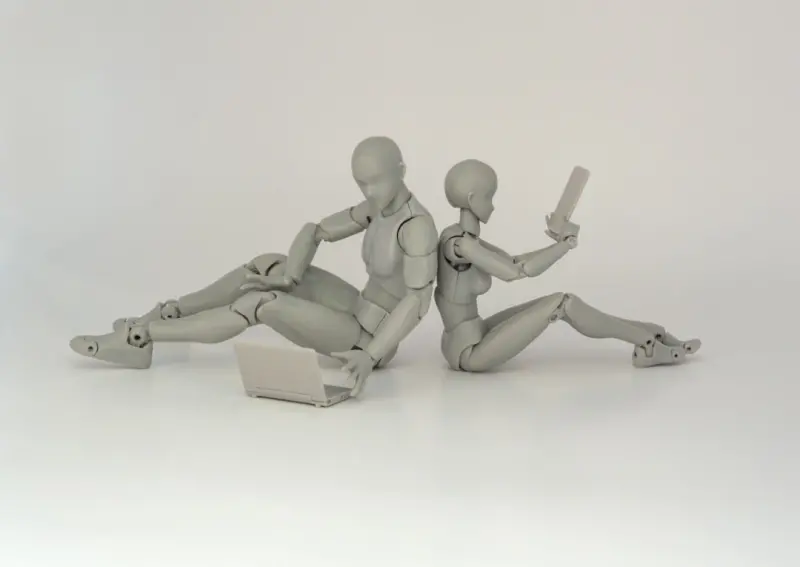
Why the Industrial World Is Falling in Love with Digital Twins
When I first stepped onto the floor of a sprawling manufacturing plant five years ago, the air was thick with the hum of massive presses, the clatter of conveyor belts, and the faint scent of oil. I was there to interview a senior engineer about their upcoming plant expansion, but what stuck with me long after the conversation ended was the way the team spoke about “seeing” their machines before they even existed. They were describing something that, until recently, lived mostly in research labs and science‑fiction novels: digital twins.
Fast forward to today, and digital twins have moved from the periphery of industrial strategy to the core of operational excellence. In my experience, they’re not just a flashy buzzword; they’re a practical tool that’s reshaping how we design, operate, and maintain everything from a tiny valve to a colossal turbine.
What Exactly Is a Digital Twin?
A digital twin is a high‑fidelity, virtual replica of a physical asset, process, or system. Think of it as a living, breathing model that mirrors the real world in real time, ingesting sensor data, environmental inputs, and operational parameters. Unlike a static CAD model, a digital twin evolves alongside its physical counterpart, learning and adapting as conditions change.
Here’s a quick way to picture it: imagine a fleet of industrial robots on a factory floor. Each robot is equipped with temperature, vibration, and torque sensors. Those data streams flow into a cloud‑based platform where a virtual version of each robot is continuously updated. Engineers can then interact with the twins—running simulations, testing stress scenarios, or predicting failure points—without ever stopping the actual machines.
The Business Case: From Reactive to Predictive
Historically, maintenance in heavy‑industry settings has been reactive. A machine breaks down, the maintenance crew rushes in, and production grinds to a halt. This approach is costly, risky, and often leads to a cascade of downstream delays.
Digital twins flip that script. By constantly analyzing real‑time data against a physics‑based model, they can flag anomalies that precede a failure—sometimes days or weeks in advance. This shift to predictive maintenance translates into three tangible benefits:
- Reduced Downtime: Unplanned outages drop dramatically, keeping production lines humming.
- Extended Asset Life: Early interventions prevent wear‑and‑tear from spiraling into catastrophic failure.
- Optimized Resource Allocation: Maintenance teams can prioritize tasks based on risk, rather than playing catch‑up.
In a recent project with a mid‑size chemical processing firm, we leveraged digital twins to cut unplanned downtime by 27% in the first six months. The ROI was evident within the first year, and the executives were thrilled to see maintenance budgets shrink while reliability climbed.
How to Build a Digital Twin—A Pragmatic Roadmap
Creating a digital twin isn’t a “set it and forget it” endeavor. It requires a blend of technology, data strategy, and cross‑functional collaboration. Below is a step‑by‑step framework I’ve found to be effective:
- Define the Scope: Start small. Choose a high‑impact asset—perhaps a critical pump or a high‑value CNC machine—and map out the performance metrics that matter most.
- Instrument the Asset: Deploy IoT sensors (temperature, vibration, pressure, etc.) that can feed data into your analytics platform. Ensure the data is high‑resolution and reliable.
- Create the Virtual Model: Use a combination of CAD geometry and physics‑based simulation tools to build a virtual counterpart. This model should be capable of ingesting live data streams.
- Integrate Data Pipelines: Connect sensor data to the twin using robust APIs. If you’re already using micro‑integrations across your enterprise software stack, you’ll find this step smoother.
- Apply Analytics & Machine Learning: Layer predictive algorithms on top of the twin to detect patterns that indicate impending issues.
- Validate & Iterate: Test the twin against known failure scenarios, refine the model, and repeat. It’s an ongoing learning loop.
Remember, the goal isn’t to build a perfect replica on day one. It’s to develop a living model that gets smarter with each data point.
Real‑World Success Stories
While the concept may feel futuristic, companies across the industrial spectrum are already reaping rewards.
- Wind Energy: A leading turbine manufacturer uses digital twins to simulate blade stress under varying wind conditions. This has reduced blade failure rates by 15%.
- Automotive Assembly: A major auto plant created twins for its robotic welding stations. By forecasting tool wear, they cut welding defects by 22%.
- Oil & Gas: A offshore drilling operator monitors the health of its blowout preventers in real time, catching pressure anomalies before they become safety hazards.
These examples illustrate that the impact isn’t limited to any one sector; it’s a universal lever for performance.
Challenges You’ll Face (And How to Overcome Them)
No transformation is without friction. Here are the three most common obstacles and practical ways to navigate them:
Data Silos
Many industrial firms still store sensor data in isolated pockets—on the shop floor, in legacy SCADA systems, or on separate cloud platforms. This fragmentation hampers the twin’s ability to provide a holistic view.
Solution: Adopt a data‑first mindset. Centralize data ingestion using a modern data lake or a unified IoT platform. If you’re already leveraging mesh networking, you have a solid foundation for reliable, low‑latency data transmission across the plant.
Skill Gaps
Building and maintaining digital twins requires expertise in simulation, data science, and domain knowledge. It’s rare to find a single person who masters all three.
Solution: Foster cross‑functional teams. Pair your mechanical engineers with data analysts, and bring in external consultants for the initial modeling phase. Upskill existing staff through targeted training programs.
Change Management
Shifting from a reactive maintenance culture to a predictive one can meet resistance. Teams may fear job displacement or doubt the accuracy of simulations.
Solution: Communicate early wins. Celebrate small successes—like catching a bearing failure before it caused downtime. Involve frontline technicians in the validation process; their insights are invaluable.
The Future: From Twins to Triplets and Beyond
As we look ahead, the evolution doesn’t stop at a single digital replica. The next wave will see digital triplets—where a physical asset, its virtual twin, and an AI‑driven decision engine collaborate in real time. Imagine a scenario where the twin not only predicts a fault but also autonomously orders a replacement part, schedules a maintenance window, and updates the production schedule—all without human intervention.
This level of automation will demand tighter integration with enterprise resource planning (ERP) systems, advanced robotics for on‑site repairs, and perhaps even augmented reality (AR) overlays for technicians on the ground. The promise is a truly self‑optimizing factory where human expertise is amplified rather than replaced.
Getting Started Today
If you’re ready to dip your toe into the digital twin waters, here’s a quick checklist to get you moving:
- Identify a high‑impact asset with existing sensor infrastructure.
- Map out critical performance indicators (KPIs) you want to monitor.
- Choose a simulation platform that supports real‑time data ingestion.
- Leverage existing micro‑integration tools to connect data sources.
- Set up a pilot project with clear success metrics (e.g., reduction in downtime).
- Iterate, expand, and scale across additional assets once the pilot proves its value.
The journey may feel daunting, but the payoff—enhanced reliability, lower costs, and a future‑ready operation—is well worth the effort.
Final Thoughts
Industrial manufacturing has always been about marrying rugged hardware with clever engineering. Digital twins add a new dimension to that equation: the power of a living, data‑rich model that can see into the future. By embracing this technology, you’re not just fixing problems faster; you’re fundamentally rethinking how value is created on the shop floor.
So next time you walk past a humming press or a massive pump, imagine the invisible twin humming along in the cloud, whispering insights that keep your operation humming, too.

Amanda is a passionate writer exploring a kaleidoscope of topics from lifestyle to travel and everything in between.
Related Posts
From Owning to Renting: How Equipment-as-a-Service Is Redefining Industrial Products
Equipment-as-a-Service shifts heavy‑industry assets from capital purchases to subscription models,... Read More
Embracing the Future of Industrial Productivity: Trends and Innovations
The industrial sector is undergoing a significant transformation, driven by technological advancemen... Read More
Circular Momentum: Turning Industrial Waste into Competitive Edge
Industrial manufacturers can boost profits and sustainability by redesigning products for modularity... Read More
Top Posts

Hybrid Hearts: Crafting a Seamless In‑Person & Virtual Wedding Experience
A modern wedding isn’t just about the venue; it’s a blend of live ceremony, immersive soundscapes, personalized subscription favors, and smart tech that bri...Read More
Your Oven Knows Your Taste: The Next Wave of Intelligent Appliances
Intelligent appliances are turning everyday kitchens into proactive partners that track inventory, suggest personalized recipes, and reduce waste, while opening...Read More

WebAssembly: The Silent Engine Powering Faster Front‑Ends
WebAssembly offers a low‑level, high‑performance complement to JavaScript, letting developers off‑load heavy computations to the browser. This post explor...Read More

When the Mind Drifts: Turning Daydreams into a Resilience Toolkit
Discover a simple three‑step practice to harness the wandering mind, turning idle daydreams into a powerful tool for creativity, emotional processing, and las...Read More
0 Comments
Post Comment
You will need to Login or Register to comment on this post!