
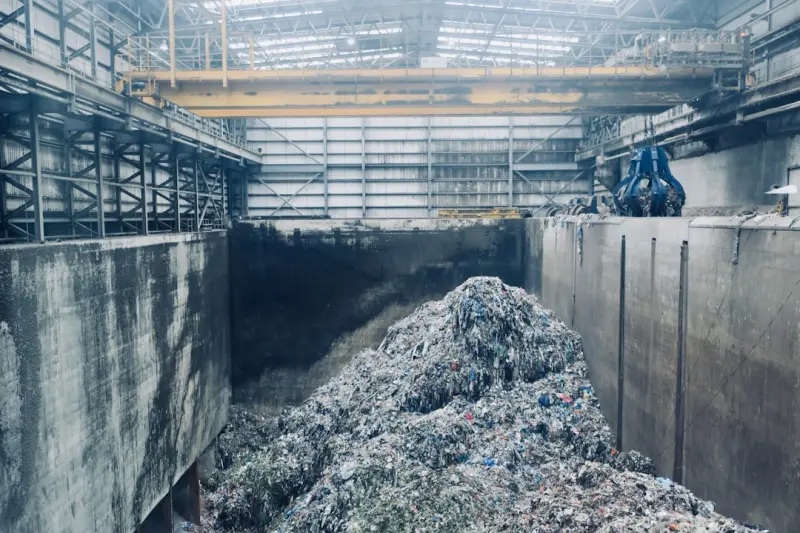
When I walked through the cavernous floor of a legacy metal‑fabrication plant last month, I couldn’t help but notice the mountains of off‑cut aluminum, the piles of discarded lubricants, and the endless stream of packaging that vanished into the recycling bin without a second thought. It was a scene that felt both familiar and oddly prophetic—a reminder that the industrial sector is perched on the edge of a massive transformation. Not because of a new brand of paint or a flashier logo, but because the very definition of “product” is being rewritten.
The Business Case for Circularity in Heavy‑Industry
For decades, industrial manufacturers have measured success by output volume, cost per unit, and time‑to‑market. Today, a fourth metric is demanding attention: material circularity. Companies that can capture the value locked in scrap, repurpose end‑of‑life components, and design products for disassembly are discovering new revenue streams, reduced exposure to volatile commodity prices, and a stronger brand narrative that resonates with increasingly sustainability‑focused customers.
Consider the simple arithmetic: a mid‑size steel fabricator that reduces scrap loss by just 5 % can free up millions of dollars in raw material costs each year. Multiply that by the environmental impact—lower carbon emissions, reduced landfill pressure, and a smaller ecological footprint—and the incentive becomes irresistible. But the shift isn’t just about the bottom line; it’s about future‑proofing operations in a world where regulations are tightening and consumer expectations are evolving faster than any supply chain can traditionally keep up.
Redesigning Product Lifecycles: From Linear to Loop
The first step toward a circular industrial model is to rethink the product lifecycle. Instead of designing a part that lives a single use‑and‑throw cycle, engineers now ask: “How can this component be reclaimed, refurbished, or remanufactured at the end of its service?” This mindset drives three practical design strategies:
- Modular Architecture: By breaking complex machinery into interchangeable modules, each segment can be upgraded or replaced without discarding the whole system. Think of a CNC machine where the spindle, control board, and coolant system are all separate “plug‑and‑play” units.
- Design for Disassembly (DfD): Selecting fasteners, adhesives, and materials that can be separated easily reduces the labor and cost of recovery. Simple choices—like using mechanical fasteners instead of permanent bonding—can halve the time needed to strip a product for recycling.
- Material Transparency: Embedding RFID tags or QR codes that store material composition data enables downstream recyclers to sort and process components more efficiently.
These principles don’t just benefit the environment; they also create a structured decision‑making framework that aligns engineering, procurement, and finance around a shared set of circularity goals.
From Waste to Resource: Real‑World Success Stories
Seeing is believing, and several forward‑thinking firms are already turning waste streams into profit centers:
- Metal Recovery in Automotive Casting: One supplier has installed a closed‑loop furnace that re‑melts scrap alloy directly on the shop floor, cutting raw‑material purchases by 12 % and slashing energy consumption.
- Lubricant Reconditioning Programs: A heavy‑equipment rental company now collects used hydraulic oil, filters and re‑blends it in‑house, extending the oil’s life by up to 30 % and reducing hazardous waste disposal fees.
- Packaging as a Service: A global turbine manufacturer switched to reusable, collapsible containers for shipping large components. After an initial investment, the company saved $4 M annually on packaging material and logistics.
Each of these examples hinges on one common factor: a willingness to view “waste” not as an inevitable by‑product but as a raw material waiting to be reclaimed.
Data‑Driven Circularity: Leveraging the Right Tech
Technology is the catalyst that turns circular theory into practice. Sensors embedded in equipment can track wear patterns, predict when a part will need refurbishment, and trigger a “return‑to‑factory” workflow before a failure occurs. AI‑driven analytics then aggregate this data across product lines, identifying which components yield the highest return on remanufacturing.
But technology alone isn’t enough. Companies must embed psychological safety into the teams that develop and operate these systems. When engineers feel safe to experiment with unconventional materials or to question established processes, innovation flourishes. A culture that rewards learning from failure—rather than penalizing it—creates the fertile ground needed for circular solutions to take root.
Building an Ecosystem: Lessons from Software Plugin Models
Industrial manufacturers can borrow a page from the software world’s plugin ecosystems. In SaaS, a core platform is extended by third‑party modules that add niche functionality without bloating the base product. Similarly, a “core” industrial machine can be designed to accept a suite of specialized modules—each developed by a partner or in‑house team—that address specific use cases.
By treating modules as plugin ecosystems, manufacturers open up new revenue channels, accelerate time‑to‑market for specialized features, and, crucially, make it easier to swap out outdated components for refurbished or upgraded versions.
Cultural Shifts: Embedding Circular Thinking Across the Organization
Transitioning to a circular model isn’t a one‑time engineering project; it’s a cultural evolution. Here are three practices that help embed circular thinking at every level:
- Cross‑Functional Circular Councils: Bring together design, procurement, sustainability, and finance leaders to set measurable circularity targets and track progress.
- Incentivized Learning Loops: Reward teams for identifying waste reduction opportunities, whether it’s a 1 % scrap reduction or a new material‑recovery method.
- Transparent Reporting: Publish circularity metrics alongside traditional KPIs. Visibility drives accountability and showcases successes to customers and investors.
When employees see that circular outcomes are tied to performance reviews and bonuses, the initiative moves from a “nice‑to‑have” to a core business driver.
Roadmap for Companies Ready to Pivot
If you’re convinced that circularity is the next strategic imperative for your industrial product line, start with a pragmatic roadmap:
- Audit Your Current Waste Streams: Map out every material flow—from raw input to end‑of‑life disposal. Identify the top three waste streams that represent the biggest cost or environmental impact.
- Set Quantifiable Goals: Aim for measurable targets, such as “reduce scrap by 8 % within 12 months” or “recover 50 % of end‑of‑life components for remanufacturing.”
- Pilot Modular Redesign: Choose a single product family to redesign with modular architecture. Track the cost and time savings from easier maintenance and part swaps.
- Invest in Data Infrastructure: Deploy sensors and analytics platforms that provide real‑time visibility into material usage and component health.
- Foster a Safe Innovation Culture: Use the principles of psychological safety to encourage teams to experiment with new materials, processes, and business models.
- Scale and Iterate: After a successful pilot, roll the circular approach across additional product lines, continually refining based on data and feedback.
The journey may feel daunting, but each step builds momentum. As more manufacturers adopt circular practices, a virtuous cycle emerges: lower costs drive reinvestment in technology, which in turn unlocks even greater efficiencies.
Looking Ahead: The Competitive Edge of Circular Industrial Products
The future of industrial manufacturing will be defined not just by the speed of production or the sophistication of automation, but by the ability to close the loop on materials. Companies that master this loop will enjoy:
- Resilience: Less dependence on volatile commodity markets and more control over supply chains.
- Brand Differentiation: A clear sustainability narrative that appeals to regulators, investors, and customers alike.
- Innovation Velocity: Modular, data‑driven designs that enable rapid iteration without costly re‑tooling.
In short, circularity isn’t a niche trend—it’s a strategic imperative that reshapes how industrial products are conceived, built, and brought back to life. By embracing modular design, leveraging data, and fostering a culture where safe experimentation thrives, manufacturers can turn yesterday’s waste into tomorrow’s competitive advantage.

Miranda Murphy: Experienced freelance writer with a decade of storytelling expertise. Let's create something amazing together!
Related Posts
Circular Design: Transforming Industrial Products into Endless Value Loops
Circular design shifts industrial products from a linear “take‑make‑dispose” model to a rege... Read More
The Evolution of Sustainable Industrial Products: A New Era for Manufacturers
The industrial sector is transforming with the shift towards sustainable industrial products. Learn ... Read More

Modular Mastery: Unlocking Hidden ROI in Industrial Products
Learn why modular architecture, smart sensors, and digital twins are the secret weapons industrial m... Read More
Top Posts

The Rise of Ephemeral Storytelling: Turning 24‑Hour Posts into B2B Lead Magnets
Ephemeral storytelling—think Instagram Stories, LinkedIn Fleets, and Reels—offers B2B marketers a powerful, authentic way to capture attention, nurture lead...Read More

The Sensory Revolution: How AI and Human Touch Are Redefining In‑Store Shopping
Retail is evolving from price‑driven transactions to sensory, AI‑enhanced experiences that blend human empathy with data insights, offering shoppers a perso...Read More

Beyond the Post: Building Authentic Communities Through Blogging
Learn to transform your blog from a one‑way broadcast into a dynamic conversation hub, fostering authentic community growth through thoughtful structure, user...Read More

Voice‑First Tools: How Conversational Interfaces Supercharge Everyday Productivity
Explore the rise of voice‑first tools, from smart speakers to custom macros, and learn a practical checklist to integrate conversational interfaces into your ...Read More
0 Comments
Post Comment
You will need to Login or Register to comment on this post!