
When I first stepped onto a factory floor three decades ago, the mantra was simple: build it, own it, maintain it. Machines were capital expenditures, and the success of an operation hinged on the durability of every bolt and bearing. Fast forward to today, and the industrial landscape is buzzing with a different kind of promise—one that swaps ownership for access, and heavy‑duty assets for flexible services. This is the rise of Equipment‑as‑a‑Service (EaaS), and it’s reshaping how companies think about industrial products.
The Economic Logic Behind EaaS
At its core, EaaS is a financial lever. Instead of a massive upfront capex, businesses now subscribe to the performance of machinery. The shift mirrors the broader subscription economy, but the stakes are higher. Heavy equipment can run into the six‑figure range, and financing that outlay can tie up balance‑sheet resources for years. By converting that expense into an operating cost, firms unlock cash flow, reduce debt, and gain budgeting predictability.
Key financial benefits include:
- Lower initial outlay: No need to allocate large sums for purchase.
- Predictable monthly fees: Easier forecasting and budgeting.
- Risk transfer: Manufacturers often assume responsibility for maintenance and upgrades.
- Scalable usage: Scale up or down based on production demand without buying new assets.
These advantages are not merely theoretical. Companies that have embraced EaaS report up to a 30 % reduction in total cost of ownership over a five‑year horizon, primarily because downtime drops dramatically when service providers manage upkeep.
Technology as the Enabler
The service model would be impossible without the digital backbone that now underpins industrial equipment. Sensors embedded in motors, pumps, and even simple conveyors transmit real‑time health data to the cloud. Predictive algorithms crunch this data, flagging wear patterns before they become failures. This is where the AI‑enhanced toolchains pioneered in SaaS circles find a natural home on the shop floor.
Imagine a CNC mill that knows its spindle bearings are approaching their service threshold after 1,200 hours of operation. Instead of waiting for an unexpected breakdown, the provider schedules a replacement during a low‑production window. The result? Zero surprise downtime, and a customer who never even notices the service transaction.
Designing Products for Serviceability
Traditional industrial design focused on robustness and longevity. In the EaaS era, designers must also consider modularity, ease of disassembly, and rapid part replacement. A machine that can be opened in minutes, with standardized sub‑modules, becomes far more valuable to a service provider than a monolithic behemoth.
This design philosophy echoes the modularity trends seen in consumer tech, but applied at a scale that respects the rigorous performance standards of heavy industry. By standardizing interfaces—both mechanical and digital—manufacturers can create families of equipment that share common components, reducing inventory complexity for both themselves and their service partners.
Supply Chain Implications
When equipment is sold as a service, the supply chain transforms from a linear “ship‑and‑forget” model to a cyclical, service‑centric network. Parts inventories shift from being stocked at the customer’s site to being strategically positioned across regional hubs. Logistics teams become custodians of “maintenance kits” that travel with the equipment, ensuring that the right spare part arrives just in time for a scheduled service.
Moreover, data from the field feeds back into the manufacturing process. If a particular component shows a higher failure rate, the design team can iterate faster, delivering an improved version in the next service cycle. This feedback loop shortens the classic product development timeline, turning the entire ecosystem into a continuous improvement engine.
Environmental Upside
Beyond the balance sheet, EaaS offers a compelling sustainability story. By extending the useful life of equipment through proactive maintenance, we reduce the need for premature replacements. Modular designs enable the reuse of major sub‑assemblies, keeping materials in circulation longer.
Additionally, the service model incentivizes manufacturers to design for energy efficiency. Since the provider retains ownership, they reap the benefits of lower operating costs. Over time, the cumulative effect of more efficient machines and less waste can lead to a noticeable reduction in the industry’s carbon footprint.
Customer Experience Reimagined
In the subscription world, the customer journey is no longer a one‑off transaction but a continuous relationship. For industrial products, this translates to a service portfolio that includes:
- On‑demand performance dashboards.
- Automated warranty extensions tied to usage metrics.
- Flexible upgrade paths that allow customers to swap in newer technology without buying a whole new system.
This experience mirrors the expectations set by SaaS platforms, where users demand transparency, agility, and control. By delivering a seamless, data‑rich interface, EaaS providers can differentiate themselves in a crowded market.
Challenges and Considerations
While the upside is enticing, the transition to EaaS isn’t without friction.
- Contract Complexity: Service agreements must clearly define performance metrics, liability, and escalation pathways.
- Data Security: Streaming operational data to the cloud raises concerns around industrial espionage and compliance.
- Change Management: Traditional procurement teams may resist shifting from capex to opex models.
- Capital Requirements for Providers: Service firms must front the cost of equipment and bear the risk of residual value.
Addressing these challenges requires a holistic approach—legal teams must craft robust SLAs, IT departments need to harden data pipelines, and leadership must champion a cultural shift toward service‑first thinking.
Real‑World Illustrations
Several pioneers have already demonstrated the viability of EaaS.
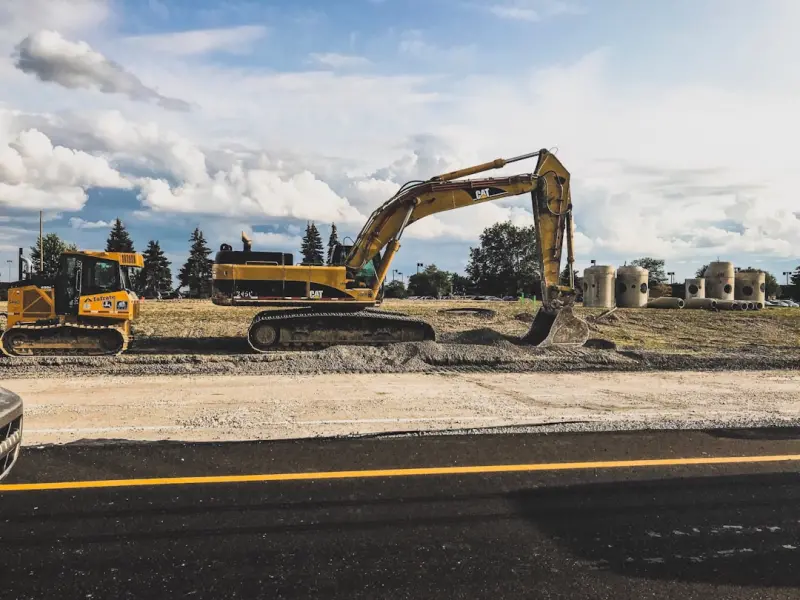
One leading construction equipment manufacturer launched a “Machine‑as‑a‑Service” program where contractors pay a monthly fee that covers the excavator, routine maintenance, and a predictive analytics suite. Within two years, the contractor reported a 25 % increase in project profitability due to reduced downtime and lower financing costs.
In the food processing sector, a sensor‑rich packaging line is offered on a subscription basis. The provider monitors line speed, temperature, and seal integrity, automatically dispatching service technicians when deviations exceed predefined thresholds. The result is a 40 % drop in product spoilage incidents.
Future Outlook: From Service to Ecosystem
The trajectory doesn’t stop at equipment rentals. The next frontier is a fully integrated ecosystem where hardware, software, and data services converge. Imagine a platform where a client can:
- Order a new robot arm with just a few clicks.
- Track its performance in real time via a unified dashboard.
- Swap in a software update that adds a new motion algorithm without any physical intervention.
- Access a marketplace of third‑party analytics modules that plug into the equipment’s data stream.
Such an ecosystem blurs the line between product and service, turning industrial assets into living components of a larger digital value chain. It’s a vision that aligns closely with the ideas discussed in the Edge Sensors and Micro‑Integrations post, but pushes the conversation beyond sensors into a full‑stack, service‑driven model.
Strategic Takeaways for Leaders
If you’re considering EaaS for your organization, keep these strategic pillars in mind:
- Start with Data: Deploy sensors and establish a reliable data pipeline before offering services.
- Design for Modularity: Build equipment that can be easily upgraded or repaired.
- Partner Wisely: Align with service providers who have strong logistics and analytics capabilities.
- Redefine KPIs: Shift from traditional uptime metrics to customer‑centric outcomes like cost per unit produced.
- Communicate Value: Clearly articulate how the subscription model translates into operational and financial benefits for the end‑user.
In my view, the industrial sector stands at a crossroads where the old paradigm of ownership meets a new, service‑driven reality. Companies that adapt now will not only unlock new revenue streams but also position themselves as leaders in a more sustainable, data‑rich future.

Robert Mathews is a professional content marketer and freelancer for many SEO agencies. In his spare time he likes to play video games, get outdoors and enjoy time with his family and friends . Read more about Robert Mathews here:
Related Posts

The Rise of Modular Robotics in Industrial Production
A deep dive into modular robotics shows how factories can adapt quickly, reduce waste, and stay ahea... Read More
Industrial Products Are Getting Smarter, Subscriptable, and Surprisingly Human
Industrial products are evolving from static assets into subscription‑based, AI‑driven partners.... Read More
The Evolution of Sustainable Industrial Products: A New Era for Manufacturers
The industrial sector is transforming with the shift towards sustainable industrial products. Learn ... Read More
Top Posts
Scam Resilience: Building a Human Firewall in the Age of AI
A deep dive into AI‑powered scams and a practical blueprint for turning your team into a human firewall, blending culture, agile drills, and smart tech defens...Read More

Hybrid Work Safety: Physical, Digital, and Cultural Strategies
A deep dive into hybrid work safety that blends ergonomics, Zero‑Trust security, IoT monitoring, and cultural practices, offering a practical playbook for mod...Read More
Designing Sensory‑First Interiors: A Five‑Senses Blueprint for Memorable Spaces
Discover how to design interiors that engage sight, sound, touch, smell, and taste, using a practical five‑senses blueprint that blends sustainability and sma...Read More

Rethinking Mental Resilience: The Quiet Power of Intentional Digital Boundaries
A deep dive into why constant connectivity erodes mental health and how purposeful digital boundaries can restore focus, creativity, and wellbeing in modern wor...Read More
0 Comments
Post Comment
You will need to Login or Register to comment on this post!