

Industrial equipment has always been about brute strength, reliability, and a touch of engineering artistry. Yet, as the global supply chain tightens and sustainability metrics become board‑room staples, the old mantra of “build it once, run it forever” is cracking under new expectations. The next wave isn’t about bigger machines; it’s about smarter machines that think, adapt, and even heal themselves. This transformation is less a futuristic fantasy and more a palpable shift we can see in factories that are already swapping static steel for living code.
The Pressure to Evolve
Every plant manager knows the bitter taste of unexpected downtime. A single stalled conveyor can cascade into missed shipments, angry customers, and a bruised bottom line. Historically, the solution was preventive maintenance schedules—checklists, oil changes, and routine inspections. Those schedules, however, were based on averages, not actual usage. They treated every piece of equipment the same, ignoring the nuances of each machine’s environment, load, and wear pattern.
Enter a new reality: data‑rich sensors, high‑speed networks, and AI models that learn from the very vibrations, temperatures, and power draws of each asset. The industrial sector is finally getting its own edge intelligence, a capability that lets equipment make split‑second decisions without waiting for a cloud server. The result? Machines that can pre‑empt a bearing failure before the first audible squeal, or that can reroute a production line in real time when a bottleneck emerges.
Digital Twins: A Virtual Mirror
Imagine having a perfect replica of your entire factory—down to the last bolt—living inside a secure server. That’s a digital twin, and it’s no longer a niche research project. By feeding live sensor streams into a physics‑based model, manufacturers can run “what‑if” scenarios without ever stopping a line. Want to test a new coating on a pump housing? Simulate the stress cycles first. Curious how a 5 % increase in line speed will affect heat buildup? Run the numbers in the twin before you press the accelerator.
Beyond predictive maintenance, digital twins unlock a new form of continuous improvement. Algorithms can scan the twin for inefficiencies, suggest redesigns, and even auto‑generate the CAD files needed for a retrofit. When the recommended changes are approved, robotic arms on the shop floor can execute the modifications with millimeter precision, turning the virtual insight into physical reality almost instantly.
Edge Intelligence Powers Real‑Time Decisions
While the cloud still plays a crucial role in aggregating historical data and training deep learning models, the moment‑to‑moment decisions happen at the edge. This is where edge intelligence shines. By distributing AI workloads across localized compute nodes—often embedded directly in PLCs or gateway devices—factories sidestep latency, reduce bandwidth costs, and keep proprietary process data on‑premise.
Take a high‑speed packaging line that must adjust tension on the fly. An edge‑deployed vision system captures each film’s stretch, feeds it to a lightweight neural net, and instantly tweaks the motor torque. No round‑trip to a data center, no lag, just seamless adaptation. Over time, the system learns the subtle patterns that human operators might miss, such as how ambient humidity shifts the material’s elasticity.
What’s more, edge nodes can collaborate in a mesh, sharing insights like a flock of birds. If one sensor detects an anomaly—say, a temperature spike on a motor—nearby nodes can pre‑emptively lower load on connected equipment, preventing a cascade of failures. This decentralized intelligence creates a resilient, self‑balancing ecosystem that feels almost organic.
Modular Robotics Redefine Flexibility
Traditional industrial robots are often monolithic—engineered for a single task and expensive to repurpose. The new generation embraces modularity. Think of a robotic arm where the wrist, gripper, and sensor packages are interchangeable plug‑and‑play modules. Need to shift from handling metal brackets to delicate glass panels? Swap the end‑effector in minutes, upload a new motion profile, and the robot is ready.
Modular robots pair beautifully with digital twins. The twin can simulate the new configuration, verify collision safety, and generate the exact motion code required. This reduces engineering lead time from weeks to days, a competitive edge for manufacturers that must pivot quickly to new product lines or custom orders.
Beyond flexibility, modularity supports a circular economy. When a module reaches end‑of‑life, it can be harvested, refurbished, or repurposed into a different robot. The chassis stays in service, extending the overall lifespan of the hardware and cutting waste—a win for sustainability metrics that increasingly influence procurement decisions.
Circular Design Meets Smart Maintenance
Industrial product design is finally confronting the “take‑make‑dispose” mindset. Engineers are embedding recyclability into every component, selecting alloys that can be re‑melted without loss of strength, and using biopolymers where feasible. Yet, the real breakthrough is coupling circular design with AI‑driven maintenance.
Smart sensors monitor wear rates and feed that data into a lifecycle model that predicts the optimal moment for part replacement—not too early to waste material, not too late to risk failure. When a component is flagged, the system automatically orders a refurbished replacement from an internal pool, updates the digital twin, and schedules a robot‑assisted swap during the next planned downtime. This closed loop minimizes scrap, maximizes asset utilization, and turns maintenance into a value‑adding service rather than a cost center.
What This Means for Procurement and ROI
For procurement teams, the narrative has shifted from “lowest upfront cost” to “total value over the asset’s life.” A self‑optimizing conveyor may carry a higher price tag, but its predictive maintenance, reduced energy consumption, and ability to reconfigure on demand deliver a compelling net present value that outpaces legacy equipment.
Investors are also paying attention to the data layer. Each sensor stream becomes an asset itself, capable of being monetized through analytics services, licensing, or even as a feed for external partners seeking real‑world performance data. In this ecosystem, the line between product and platform blurs, and manufacturers find new revenue streams beyond the traditional sale.
Moreover, the integration of intelligent platforms means that factories can adopt a subscription‑style model for software upgrades, AI models, and even hardware-as-a-service. Instead of a massive capex hit, firms can spread costs over time, aligning expenses with the value delivered each quarter.
Human Capital: The New Competitive Edge
All this technology is impressive, but it’s only as good as the people who steward it. Upskilling operators to interpret AI recommendations, collaborate with data scientists, and oversee autonomous robotic modules becomes a strategic imperative. Companies that invest in continuous learning programs see faster adoption rates, fewer false alarms, and a culture of innovation that permeates the shop floor.
In practice, this looks like mixed‑reality headsets that overlay sensor data onto physical equipment, allowing a technician to see a live heat map while tightening a bolt. Or interactive dashboards that translate complex predictive analytics into plain‑language alerts, empowering shift supervisors to make informed decisions without a PhD in machine learning.
The Road Ahead
The industrial landscape is at a crossroads. The traditional siloed approach—hardware built in isolation, software added as an afterthought—is giving way to an integrated, data‑first mindset. As factories become living systems that learn, adapt, and even evolve, the very definition of an “industrial product” expands. It’s no longer a static piece of equipment; it’s a dynamic service platform that delivers continuous value.
For leaders watching this transformation, the takeaway is clear: embrace the convergence of digital twins, edge intelligence, and modular robotics now, or risk watching competitors turn your legacy line into a museum piece. The era of self‑optimizing factories is not a distant horizon; it’s arriving at the next maintenance window. The question is whether you’ll be the one pressing “start” or the one left watching the lights go out.

When it comes to the world of blogging and writing, Rose DesRochers is a name that stands out. Her passion for creating quality content and connecting with her audience has made her a trusted voice in the industry. Aside from her skills as a writer and blogger, Rose is also known for her compassionate nature.
Related Posts
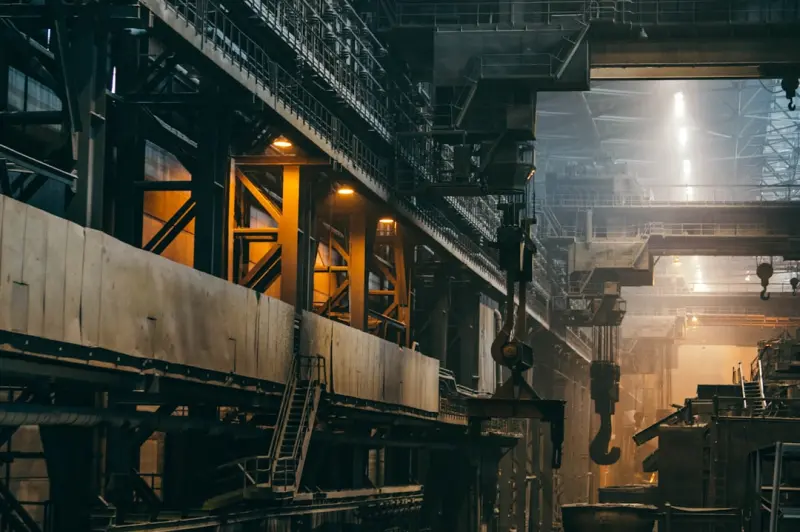
Industrial Products as Living Platforms: Turning Machines into Software‑First Assets
Industrial equipment is evolving from static hardware to software‑first platforms. Learn how edge ... Read More
Reinventing Industrial Products Through Circular Design and Real‑Time Insight
Industrial products are shifting from a linear lifecycle to a circular, data‑driven model. This po... Read More
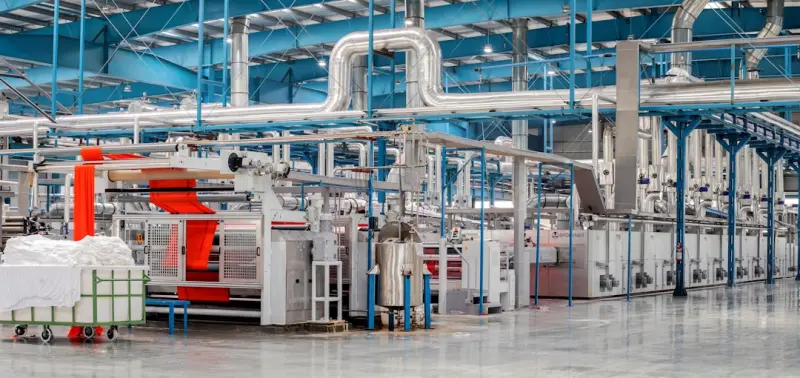
Modular Machines, Edge Sensors, and Digital Twins: Redefining Industrial Products
A deep dive into the emerging forces—modular hardware, edge‑embedded sensors, and digital twinsâ... Read More
Top Posts

Celebrating Success in Distributed Teams: Rituals That Stick
Celebrations in remote teams need intentional design. This post outlines a framework for crafting scalable, inclusive rituals that turn milestones into lasting ...Read More

Verifiable Credentials: The Internet’s Emerging Trust Fabric
Verifiable credentials are turning the internet into a fabric of trust, allowing businesses to prove identity and compliance instantly, reduce friction, and gai...Read More

Why Subscription Boxes Are the Secret Weapon for Modern Parents
Subscription boxes for babies deliver age‑appropriate, sustainable toys and tools that align with developmental milestones, saving parents time and reducing w...Read More

The Unplugged Renaissance: Why Teens Thrive on Analog Hobbies
Analog hobbies give teens a vital break from screens, fostering creativity, stress relief, and real‑world skills. Discover why a return to tactile pursuits is...Read More
0 Comments
Post Comment
You will need to Login or Register to comment on this post!