
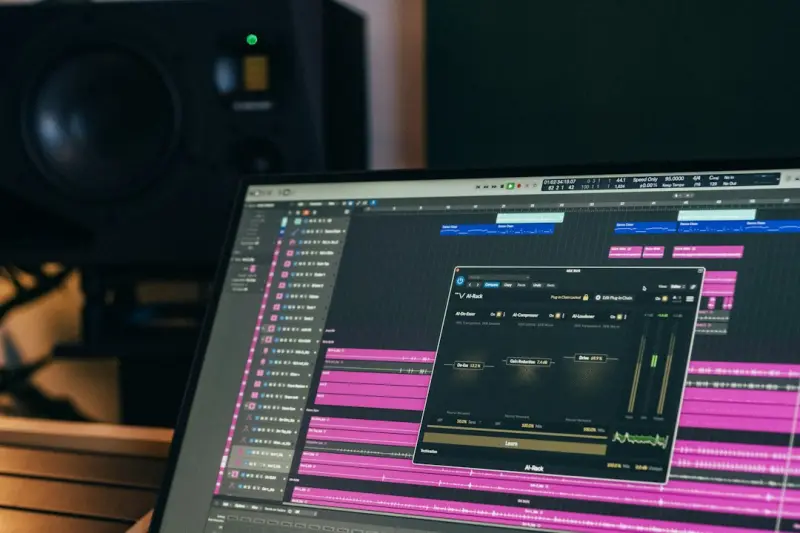
When the buzz of a live conversation replaces the scroll of endless feeds, brands suddenly find themselves in a room full of listeners who are genuinely tuned in. Audio‑first social platforms—think live‑audio chats, short‑form voice clips, and community‑driven podcasts—are reshaping how businesses connect, converse, and convert. This isn’t a passing fad; it’s a shift toward intimacy, authenticity, and real‑time relevance that can transform a brand’s social playbook.
The Rise of the Sound Wave in Social Media
Unlike text or video, audio invites the listener to imagine, to fill in the visual gaps, and to focus on tone, cadence, and emotion. Platforms such as Clubhouse, Twitter Spaces, Spotify Greenroom, and the newest voice‑first features on mainstream apps have amassed millions of active participants who crave genuine, unscripted dialogue. For B2B SaaS companies, this translates into a powerful channel where thought leadership can be shared without the barrier of a polished video production.
Key drivers behind this surge include:
- Low production friction—recording a high‑quality voice note takes seconds, while video demands lighting, framing, and editing.
- Human connection—the human voice conveys nuance that text simply cannot, fostering trust faster.
- Algorithmic favor—many platforms are actively promoting audio rooms to keep users engaged longer.
Why Audio Beats the Scroll for B2B Brands
In a crowded digital marketplace, attention is the most valuable currency. Audio offers a unique advantage: it occupies a different cognitive space. While a user scrolls through a feed, a short‑form voice clip can play in the background, turning a mundane moment into a brand touchpoint. This “passive‑active” listening model means your message can be absorbed while users are commuting, cooking, or exercising—moments where traditional video would be impractical.
Furthermore, audio nurtures community. Listeners feel part of a conversation rather than passive observers. When a brand hosts a recurring “Ask Me Anything” (AMA) session or a weekly industry roundup, attendees begin to anticipate the experience, building loyalty that outlasts any single post.
Strategic Pillars for Audio‑First Social Success
To move from curiosity to conversion, treat audio like any other marketing channel—plan, execute, measure, and iterate.
1. Define a Clear Voice (Literally)
Start with a content map that outlines the topics, formats, and cadence of your audio presence. Are you delivering deep‑dive technical talks, quick product tips, or customer success stories? Align each format with a specific audience segment. For example, a 15‑minute “Engineering Insights” session may attract developers, while a 5‑minute “C‑Level Trends” snippet speaks to executives.
2. Leverage Real‑Time Interaction
Unlike pre‑recorded podcasts, live‑audio rooms let you field questions instantly. This creates a feedback loop that can inform product roadmaps, uncover pain points, and surface new use cases. The key is to moderate wisely—prepare a set of starter questions, but remain flexible to follow the conversation’s natural flow.
3. Optimize for Discovery
Most audio platforms rely on hashtags, topics, and host reputations to surface rooms. Craft descriptive titles and concise summaries that highlight the value proposition. Tag relevant industry keywords, and consider co‑hosting with recognized thought leaders to piggyback on their follower base.
4. Repurpose Across Channels
Every audio session is a content goldmine. Transcribe the conversation for blog posts, pull out sound bites for social clips, and create an evergreen podcast series. This not only extends the lifespan of the content but also boosts SEO—search engines index transcribed text, driving organic traffic.
5. Measure What Matters
Traditional social metrics—likes, shares, comments—are still relevant, but audio introduces new KPIs: listener count, average listening duration, repeat attendance, and conversion rate from in‑session calls‑to‑action. Tools that integrate with your CRM can track how many listeners schedule a demo or download a whitepaper after a session.
Case Study: Turning a Live‑Audio Session into a Lead Funnel
Imagine a SaaS company that offers a workflow automation platform. The marketing team launches a weekly “Automation Hour” on a live‑audio app, inviting customers to discuss real‑world use cases. Each episode ends with a call‑to‑action: a link to a dedicated landing page where listeners can request a personalized workflow audit.
Within three months, the series garners an average of 300 live listeners per episode, with a 45% repeat attendance rate. By integrating the audio platform’s analytics with the company’s CRM, the team discovers that 12% of listeners click the audit link, and 5% of those become qualified leads. The result? A measurable lift in pipeline velocity directly attributable to the audio initiative.
This example illustrates how audio can act as both a top‑of‑funnel awareness driver and a middle‑of‑funnel conversion engine.
Designing the Perfect Audio Experience
Audio quality matters more than you might think. A clear, crisp voice conveys professionalism. Invest in a good condenser microphone, use pop filters, and record in a quiet space. Test the audio levels before going live, and consider using a simple mixing board to balance multiple speakers.
Don’t forget the environment. While background music can set a tone, keep it low enough not to compete with spoken words. Some brands use subtle ambient sounds—like soft office chatter—to create a sense of presence without distraction.
Integrating Audio with Existing Social Strategies
Audio should complement, not replace, your current social mix. Cross‑promote upcoming rooms on your LinkedIn, Twitter, and Instagram feeds. After a session, share highlights as short video clips with subtitles for those who prefer visual content. Embed the audio player directly on your blog or product pages to keep visitors engaged longer.
One effective tactic is to use audio as a “soft landing” for high‑intent prospects. For instance, a prospect who downloads a technical guide might receive an invitation to a private, invite‑only audio roundtable where they can discuss implementation challenges directly with product engineers.
Potential Pitfalls and How to Avoid Them
- Over‑Promising, Under‑Delivering—If you schedule a room but fail to provide valuable insights, listeners will lose trust. Prepare an agenda and rehearse key points.
- Neglecting Accessibility—Provide transcripts for deaf or hard‑of‑hearing audiences. This also improves SEO.
- Ignoring Community Guidelines—Each platform has its own moderation policies. Familiarize yourself with them to avoid bans or shadow‑bans.
- Failing to Follow Up—The conversation shouldn’t end when the room closes. Send a thank‑you email, recap the main takeaways, and include next‑step resources.
Future Outlook: Where Audio Is Heading
Artificial intelligence is already enhancing audio experiences—think real‑time translation, sentiment analysis, and automated highlight reels. Brands that experiment early with AI‑driven audio tools will gain a competitive edge, turning raw conversation data into actionable insights.
Moreover, the line between audio and other media is blurring. Expect to see “voice‑first stories” that combine short narrative clips with interactive polls, allowing listeners to influence the direction of the discussion in real time. This hybrid format will further deepen engagement and provide richer data for marketers.
Actionable Checklist for Launching Your Audio‑First Social Strategy
- Identify your primary audience segment and the value you’ll deliver.
- Select an audio platform that aligns with your brand tone.
- Secure reliable audio equipment and test your setup.
- Create a content calendar—weekly, bi‑weekly, or monthly sessions.
- Design a promotion plan across existing social channels.
- Develop a post‑session follow‑up workflow (email, transcript, CTA).
- Set up analytics to track listener count, duration, and conversion metrics.
- Iterate based on feedback—adjust topics, format, or timing as needed.
Connecting Audio Success to Broader Marketing Goals
Audio isn’t an island; it feeds into your overall brand narrative. By linking a live‑audio session to a SEO conversation piece, you reinforce the same themes across multiple touchpoints. Likewise, showcasing a front‑end performance boost case study within an audio discussion can illustrate technical expertise while keeping the conversation lively.
When executed thoughtfully, audio can become the glue that binds your content, community, and conversion strategies together, creating a seamless brand experience that resonates long after the microphone is turned off.
Ready to let your brand’s voice be heard? Dive into the world of audio‑first social, experiment boldly, and watch as authentic conversations turn into lasting relationships and measurable growth.

Lauren Miller is a true outdoors enthusiast who has found her passion in the trades. When she's not working hard on the job, you can find her writing, camping, fishing, and exploring all that nature has to offer. A dedicated partner to her wife Beth, Lauren loves nothing more than spending quality time together and experiencing the great outdoors side by side.
Related Posts

Social Media in 2024: How Sustainable Storytelling, AI, and Voice Are Redefining Engagement
Explore the 2024 social media shift where sustainable storytelling, AI insights, and voice-driven co... Read More
Social Media in 2026: Why Green Is the New Viral
In 2026, social platforms are shifting toward sustainability. Discover the rise of eco‑influencers... Read More

How Audio Snippets Are Redefining Social Media Engagement
Explore how concise voice clips are transforming social platforms, fostering deeper connections, and... Read More
Top Posts
The Power of Blogging in Promoting Sustainable Living
Blogging plays a significant role in promoting sustainable living by educating and inspiring readers to take action. Learn how to create engaging content and co...Read More

Quiet Hubs: How Private Social Communities Are Redefining B2B Engagement
Private, invitation‑only social pods are emerging as the new frontier for B2B engagement. This post explains why public feeds are losing impact, how to design...Read More

Zero‑Trust Security: Safeguarding Modern Industrial Operations
Zero‑trust security replaces outdated perimeter defenses with continuous verification, micro‑segmentation, and automated policies, offering manufacturers a ...Read More

Adaptive Income: Crafting a Resilient Financial Future
Learn to diversify beyond a single salary, using modular work, niche markets, and automation to create a resilient, growing income ecosystem....Read More
0 Comments
Post Comment
You will need to Login or Register to comment on this post!