

When I first stepped into the world of search engine optimization, I thought the game was all about keyword density and backlinks. That was before I realized SEO is less a checklist and more a living, breathing conversation between your brand, your audience, and the algorithms that try to understand both. Over the years, I’ve watched the field evolve from a static set of rules to a dynamic ecosystem where intent, experience, and data intersect. In this post, I’m pulling back the curtain on the next frontier of SEO—one that blends conversational intent, purposeful data, and a relentless experimental mindset.
Why Intent‑First SEO Beats Keyword‑First SEO
Search engines have come a long way since the days of exact‑match queries. Today, Google’s AI models (like BERT and MUM) parse the nuance behind a user’s words, rewarding content that genuinely satisfies intent. This shift means you need to ask yourself three questions before you even draft a headline:
- What problem is the user trying to solve? Are they researching, comparing, or ready to purchase?
- What stage of the buyer’s journey are they in? Awareness, consideration, or decision?
- What format does their brain prefer? A quick answer, a step‑by‑step guide, a visual walkthrough, or a data‑rich case study?
When you answer these questions, the keywords become a natural by‑product of the content, not the other way around. This approach also makes your pages more adaptable to emerging search modalities—voice assistants, AI chat interfaces, and even future AR search experiences.
Conversational SEO: Optimizing for Voice and AI Chat
Voice search is no longer a novelty; it’s a mainstream channel that demands a conversational tone. In practice, that translates into:
- Targeting long‑tail, question‑based phrases like “how do I reduce churn in a SaaS startup?” instead of “churn reduction”.
- Structuring content with clear, concise answers that can be featured in position zero snippets.
- Embedding FAQs in schema markup so AI assistants can pull your answer directly.
But there’s a deeper layer: AI chat interfaces (think ChatGPT‑style bots) are beginning to use search indices as knowledge bases. If your content is well‑structured, you’ll show up not just in traditional SERPs, but also in the answers these bots serve to users. That’s why culture of experimentation is critical—testing new schema, trying out conversational prompts, and measuring how often your content surfaces in AI‑driven dialogues.
Data‑Driven Experimentation: The SEO Lab
Every SEO professional loves data, but too many still treat it as an after‑the‑fact audit instead of a live experiment. Here’s how to turn your SEO strategy into a continuous lab:
- Define a hypothesis. Example: “Adding a video transcript will increase dwell time by 15% on our product tutorial page.”
- Set up a controlled test. Use A/B testing tools that can isolate the SEO impact of the change without compromising overall rankings.
- Measure with granularity. Track metrics beyond organic traffic—look at engagement (scroll depth, time on page), conversion paths, and SERP features earned.
- Iterate quickly. If the data supports the hypothesis, scale. If not, refine and retest.
This systematic approach mirrors the scientific method, and it aligns perfectly with the micro‑credentials movement that’s reshaping professional development. Just as micro‑credentials reward bite‑sized mastery, SEO labs reward incremental wins that stack into massive performance gains.
Internal Linking: The Unsung Hero of Authority Distribution
Think of your site as a city. Your most important pages are the downtown skyscrapers, and the rest are neighborhoods that need good road connections. Internal linking is that road network—it passes link equity, guides crawlers, and helps users discover related content.
To make internal linking work for you:
- Audit your current structure. Identify orphan pages (those with no inbound internal links) and give them a home.
- Use descriptive anchor text. Instead of “click here,” write “learn how to improve onboarding metrics”.
- Prioritize high‑value pages. Link back to cornerstone content from peripheral articles to concentrate authority.
- Leverage hierarchical silos. Group related topics under a thematic hub to signal topical relevance to search engines.
When done right, internal linking can boost rankings faster than any external backlink campaign because you’re controlling the flow of equity within your own ecosystem.
Technical SEO: Beyond the Basics
Technical SEO is often reduced to “fix broken links” or “speed up the site.” While those are essential, a forward‑thinking strategy includes:
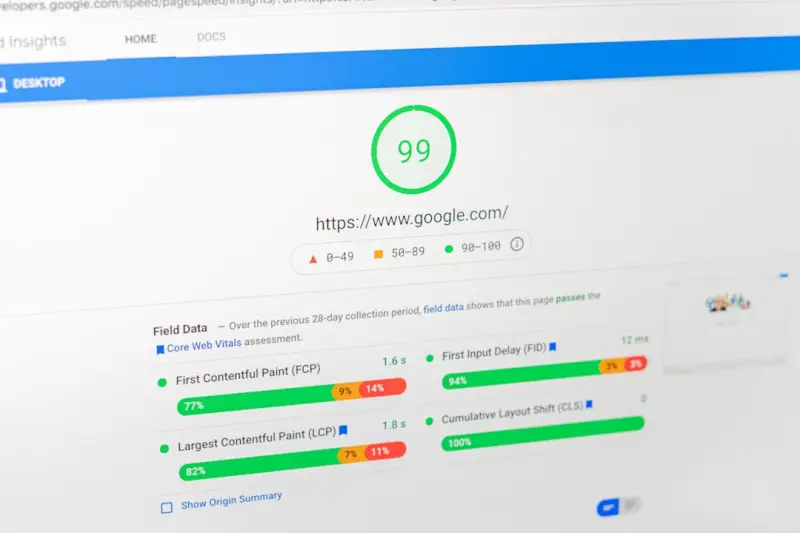
- Core Web Vitals as a ranking signal. Beyond load time, focus on interactivity (TTI) and visual stability (CLS).
- Structured data beyond schema.org. Use JSON‑LD to provide rich context for emerging search formats like product comparison tables and FAQ carousels.
- Server‑side rendering for JavaScript‑heavy apps. Ensure search bots see the fully rendered DOM, especially for SaaS platforms that rely on dynamic content.
- Edge computing for localized content. Deploy edge caches to serve region‑specific versions of your pages, reducing latency and signaling relevance to local queries.
All these technical levers combine to create a seamless experience that search algorithms reward with higher visibility.
SEO for Sustainable Brands: A Niche With Growing Demand
Consumers are increasingly searching for eco‑friendly solutions, and search engines are responding by surfacing sustainability content higher in relevant SERPs. If your SaaS product has a green angle—energy‑efficient hosting, carbon‑offset initiatives, or paper‑less workflows—make that a core part of your SEO narrative.
Steps to capture this niche:
- Research green‑focused keywords (e.g., “eco‑friendly CRM”, “low‑carbon analytics”).
- Create dedicated landing pages that detail your sustainability metrics, backed by third‑party certifications.
- Earn backlinks from environmental blogs, NGOs, and industry publications that cover green tech.
- Leverage schema for Eco‑friendly product attributes where available.
By aligning your SEO with genuine sustainability practices, you tap into a high‑intent audience while reinforcing your brand’s purpose.
Measuring Success: The New SEO KPI Suite
Traditional SEO metrics—organic traffic and keyword rankings—still matter, but they’re no longer sufficient to prove business impact. Here’s a refreshed KPI suite that ties SEO to revenue outcomes:
- Organic Conversion Rate (OCR). The percentage of organic visitors who complete a desired action (sign‑up, demo request, download).
- Search‑Assisted Revenue. Revenue attributed to sessions where a user arrived via search, left the site, and returned later through another channel.
- Keyword Intent Alignment Score. A custom metric that matches SERP intent categories (informational, transactional, navigational) with the content type on your page.
- Featured Snippet Capture Rate. The proportion of target queries where you hold a position‑zero feature.
Tracking these metrics requires integrated analytics—Google Analytics 4, Search Console, and your CRM all feeding into a unified dashboard.
Future‑Proofing Your SEO Strategy
SEO isn’t a set‑and‑forget discipline. To stay ahead, embed these habits into your weekly workflow:
- Weekly intent audits. Scan trending queries in your industry and refresh content to match evolving user questions.
- Monthly schema reviews. Ensure your structured data reflects new SERP features (e.g., “How‑to” panels, “People also ask”).
- Quarterly competitor signal mapping. Use tools to see where rivals earn new featured snippets or voice search wins, then strategize to reclaim that ground.
- Continuous learning culture. Encourage the team to share findings from A/B tests, content experiments, and technical audits—mirroring the culture of experimentation that drives innovation across all marketing channels.
By treating SEO as an evolving conversation rather than a static checklist, you’ll not only dominate the SERPs but also build deeper, trust‑based relationships with your audience.
SEO is, at its heart, about helping people find the answers they need—at the right moment, in the right format. When you align intent, data, and experimentation, you transform a simple search into a meaningful brand interaction. That, to me, is the most rewarding part of the SEO journey.

In the world of freelance writing, where creativity and adaptability are paramount, Michelle Fisher stands out as a dedicated and versatile professional. With a passion for crafting compelling narratives and a keen eye for detail, Michelle has established herself as a trusted voice.
Related Posts
Zero‑Click Search: Turning SERP Features into B2B Leads
Zero‑click search is reshaping the B2B SaaS buying journey. This post shows how to map value propo... Read More
Embedding SEO into SaaS Product Development for Sustainable Growth
This post shows why SEO should be a product requirement, detailing a step‑by‑step workflow—fro... Read More

Conversational SEO: Winning with Voice and Chat
A deep dive into conversational SEO, covering voice search, structured data, AI‑driven assistants,... Read More
Top Posts

Designing for Cognitive Economy: A Fresh Take on Web Experience
A new discipline—Design for Cognitive Economy—prioritizes user attention, minimalism, and adaptive content, offering practical steps to reduce overload and ...Read More

Reinventing Media Agency Playbooks for a Privacy‑First, AI‑Driven World
A fresh playbook for media agencies that blends zero‑party data, AI‑driven creative, programmatic TV, edge computing, and carbon‑aware buying to deliver p...Read More

Designing Home Spaces That Feel Like a Daily Reset
A deep dive into intentional home décor, blending color psychology, biophilic design, sustainable textures, smart lighting, and micro‑interactions to create ...Read More

The Future of Energy: How Technology is Revolutionizing Sustainability
The energy sector is undergoing a significant transformation, driven by innovations in renewable energy, energy storage, and smart grid management. Learn about ...Read More
0 Comments
Post Comment
You will need to Login or Register to comment on this post!