
Designing the Home Office for Cognitive Flow
When I first set up my own home office, I wasn’t just chasing aesthetics—I was chasing the elusive state of cognitive flow. That sweet spot where ideas glide out of your mind as smoothly as a well‑lubricated hinge. Over the past few years, the home office has morphed from a makeshift desk in a corner to a dedicated sanctuary that fuels creativity, focus, and even a little bit of joy. In this post, I’ll walk you through the three pillars that turn an ordinary workspace into a flow‑inducing environment: biophilic connections, acoustic comfort, and modular flexibility.
The First Pillar: Biophilic Connections
Humans evolved in forests, not in glass‑walled boxes. Our bodies still respond to the subtle cues of nature—light, texture, and organic forms. When you bring those cues into your workspace, you’re not just adding a decorative plant; you’re wiring your brain for calm and alertness.
- Greenery that works: Choose plants that thrive on low light and require minimal upkeep, like ZZ plants or snake plants. These green companions act as living air filters, reducing indoor pollutants and subtly regulating humidity.
- Natural materials: Replace synthetic desk mats with reclaimed wood or bamboo. The tactile warmth of wood under your fingertips sends soothing signals to the nervous system.
- Sunlight choreography: Position your desk near a window, but not so close that glare steals your focus. Use sheer curtains or adjustable blinds to diffuse harsh light while preserving the daylight spectrum.
Biophilic design isn’t just a trend; it’s a science backed by decades of research on environmental psychology. When you pair natural elements with intentional layout, you create a subtle, continuous feedback loop that steadies attention and reduces stress.
The Second Pillar: Acoustic Comfort
Most of us think about visual clutter, but auditory clutter can be just as disruptive. The clatter of a dishwasher, the buzz of a refrigerator, or even the low hum of traffic can fragment concentration. Here’s how to tame the soundscape without turning your office into a sterile echo chamber.
- Soft surfaces: Incorporate plush rugs, upholstered chairs, and fabric wall hangings. Soft materials absorb sound waves, cutting down on reverberation.
- Acoustic panels: Modern acoustic panels come in stylish designs—think geometric wood slats or fabric‑wrapped modules that double as art. Install them behind your monitor or on the ceiling to dampen ambient noise.
- White‑noise allies: A low‑volume fan or a dedicated white‑noise machine can mask sudden interruptions, creating a consistent auditory backdrop that aids focus.
One of my favorite hacks is to place a bookshelf filled with books and decorative objects against a wall that faces the street. The books act as a natural sound barrier, while the objects add personality. If you’re a tech‑savvy professional, consider integrating smart home sensors that monitor decibel levels and suggest adjustments in real time.
The Third Pillar: Modular Flexibility
Remote work isn’t static. Some days you’re drafting reports, other days you’re on a video call, and occasionally you need a space to stretch out and brainstorm on a whiteboard. A rigid, one‑size‑fits‑all desk can quickly become a bottleneck. Modular furniture solves this by giving you the freedom to reconfigure your environment on the fly.
- Adjustable desks: Sit‑stand desks with programmable height presets let you switch between sitting, standing, and even a “mid‑height” posture for tasks that demand a different eye level.
- Interlocking storage: Cube systems that can be stacked horizontally or vertically adapt to changing storage needs. When you need more surface area, simply stack a cube on top of another.
- Mobile partitions: Lightweight panels on wheels let you carve out a private nook for a conference call or open the space for collaborative work with a partner.
What’s truly exciting is the rise of furniture-as-a-service models. While you might be wary of committing to a long‑term purchase, renting modular pieces allows you to experiment with layout without the guilt of waste. Think of it as a sustainable iteration for your workspace.
Putting It All Together: A Sample Layout
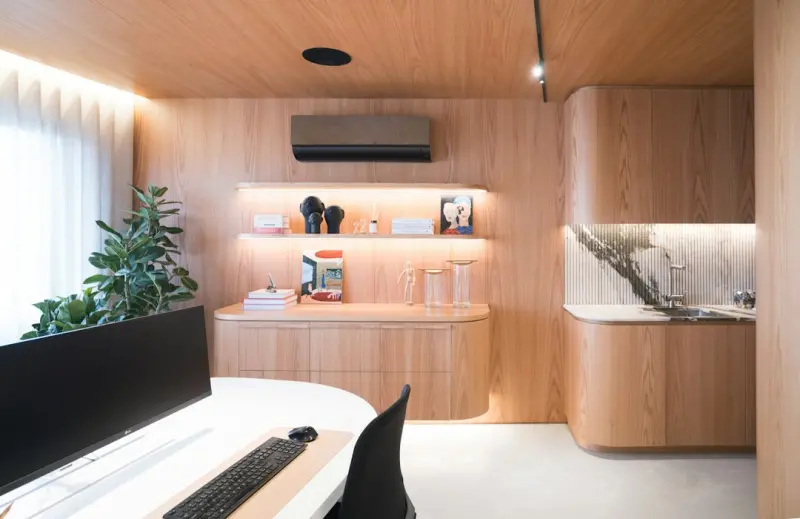
Imagine walking into a room where the left wall is a floor‑to‑ceiling bookshelf brimming with curated titles and decorative objects. A reclaimed‑wood desk sits opposite a large window, its surface clear except for a potted fern and a sleek laptop stand. Above the desk, a set of acoustic panels in muted teal adds texture and sound‑absorbing power. A soft, patterned rug anchors the space, muffling footsteps and providing a tactile contrast to the wood.
On the right side of the room, a mobile partition on casters can be pulled close for privacy during video meetings. Beneath the partition, a rolling cart holds a standing desk converter, a white‑noise speaker, and a compact printer—everything you need without cluttering the main work surface. When the day calls for collaboration, you simply slide the partition aside, roll the cart into the center, and lay out a large sketchpad for brainstorming.
This layout embodies the three pillars: natural elements (the fern and wood), acoustic comfort (panels and rug), and modular flexibility (mobile partition and rolling cart). The result? A workspace that feels alive, quiet enough for deep focus, and adaptable enough for any task.
Practical Tips for Implementation
- Start small: Add a single plant or a set of acoustic panels before overhauling the entire room. Small wins build momentum.
- Measure before you buy: Take accurate measurements of your floor plan and test furniture configurations with masking tape on the floor.
- Prioritize ergonomics: A beautiful space is meaningless if it causes back pain. Invest in an ergonomic chair and ensure your monitor is at eye level.
- Blend technology subtly: Use smart sensors to monitor light and noise, but keep devices discreet to maintain a clean aesthetic.
- Iterate seasonally: Just as you rotate wardrobes, refresh your office décor each season—swap out cushions, change plant varieties, or re‑arrange partitions.
Beyond the Office: Extending Flow to the Rest of the Home
The principles that nurture focus in a work setting also enhance everyday living. Bring a touch of biophilia into the kitchen with herb gardens, improve acoustic comfort in the living room with soft furnishings, and adopt modular storage solutions in the bedroom to keep clutter at bay. When the entire home resonates with the same design philosophy, you’ll notice a subtle but profound shift in how you feel throughout the day.
Final Thoughts
Designing a home office isn’t about chasing the latest aesthetic fad; it’s about creating a space that respects the way our brains work. By weaving together nature, sound, and adaptability, you give yourself the physical and mental scaffolding needed to stay in flow, no matter what the day throws at you. The next time you sit down at your desk, pause and ask: Does this environment invite my best thinking? If the answer is a yes, you’ve built more than a workspace—you’ve crafted a catalyst for your most creative self.

Jody Henderson is a passionate freelance writer, driven by a love for storytelling and a keen eye for detail. With a versatile skillset, she crafts compelling content across a variety of niches, from engaging blog posts to informative articles and persuasive marketing copy.
Related Posts

Bringing the Outdoors In: Biophilic Design Strategies for Tiny Urban Homes
Explore how to use natural light, plants, textures, and smart accessories to turn a small urban apar... Read More
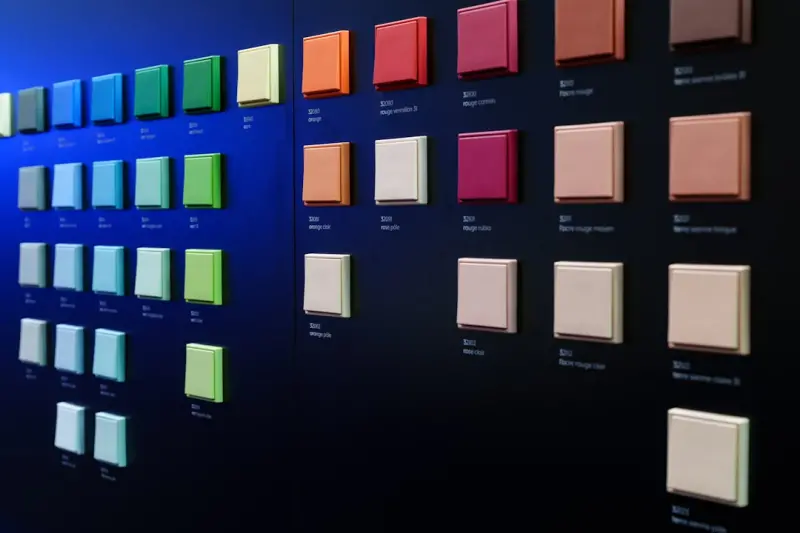
AI‑Powered Color Palettes and Modular Furniture: Redefining Interior Design
Explore how AI-generated color schemes and flexible modular furniture combine with biophilic and aco... Read More
Designing Sensory‑First Interiors: A Five‑Senses Blueprint for Memorable Spaces
Discover how to design interiors that engage sight, sound, touch, smell, and taste, using a practica... Read More
Top Posts

Walking Meetings: The Unexpected Health Boost Your Workday Needs
Swap conference rooms for sunrise strolls. Learn how walking meetings transform focus, hormone balance, and team trust for a healthier workday....Read More

Beyond the Prompt: A Human‑First Playbook for AI‑Powered Online Safety
A step‑by‑step guide shows how to safeguard sensitive information while leveraging AI assistants, covering prompt engineering, secure hardware, logging, and...Read More

Building an Accessibility‑First Web Development Strategy That Drives Business Growth
Discover why making accessibility a core part of your web development process isn’t just ethical—it’s a powerful business advantage. This guide offers act...Read More

Data Cooperatives: Reclaiming Power and Privacy for the Digital Age
Data cooperatives offer a fresh way to turn personal data into a shared asset, ensuring privacy, fair profit distribution, and community empowerment in the digi...Read More
0 Comments
Post Comment
You will need to Login or Register to comment on this post!