
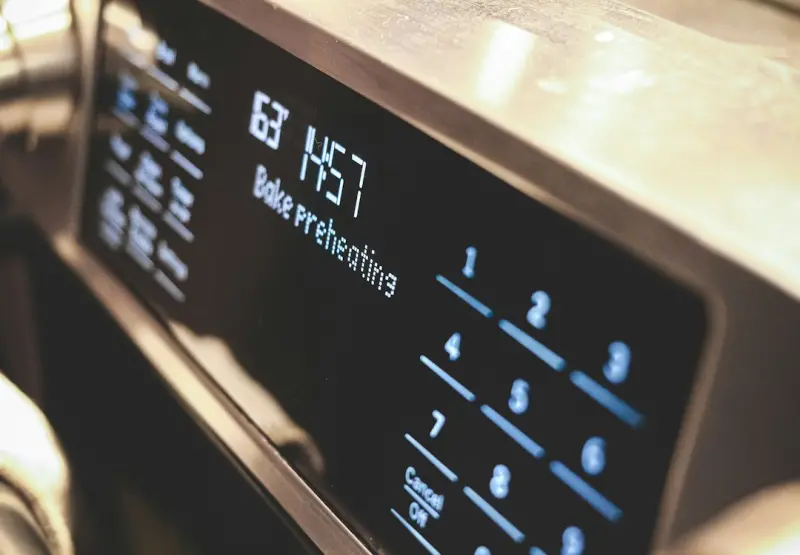
Why the Modern Appliance is Becoming Your Home’s Silent Data Scientist
When I first walked into a showroom three years ago, the most exciting thing about a refrigerator was its ice‑maker. Fast forward to today, and that same appliance can predict when you’re likely to run out of milk, suggest recipes based on what’s inside, and even order groceries on your behalf. This isn’t a sci‑fi fantasy; it’s the reality of data‑infused appliances that are quietly redefining the way we live and work.
The Invisible Backbone: Sensors, Edge Computing, and Cloud Sync
At the heart of every smart appliance is a network of tiny sensors that collect temperature, humidity, vibration, and usage patterns. These data points are processed locally—thanks to edge computing—so the device can make split‑second decisions without waiting for a round‑trip to the cloud. When a washing machine detects an unbalanced load, it automatically adjusts spin speed, preserving both the fabric and the motor.
But the real magic happens when the edge device streams anonymized aggregates to the cloud. Manufacturers can then run massive analytics jobs to spot trends, improve firmware, and even forecast demand for spare parts. As a SaaS professional, I see a direct parallel: the same telemetry pipelines that power AI‑Driven Threat Landscape in cybersecurity can be repurposed to fine‑tune appliance performance at scale.
From Cold Storage to Culinary Coach: The Kitchen Revolution
The kitchen is where data meets habit. Smart fridges now come equipped with internal cameras and barcode scanners. As you open the door, the system logs every item you remove, cross‑references it with expiry dates, and nudges you with a subtle notification: “Your spinach is two days from spoiling—how about a quick stir‑fry?”
- Reduced Food Waste: Studies show households can cut waste by up to 30% when appliances proactively surface near‑expiry items.
- Personalized Meal Planning: By integrating with nutrition APIs, the fridge can suggest low‑carb meals for a fitness‑focused user or high‑protein dishes for an athlete.
- Seamless Shopping: A one‑tap order can replenish staples directly from your preferred grocery platform, turning the fridge into a silent personal shopper.
This shift isn’t just about convenience; it opens up new revenue streams. Appliance makers can partner with food brands to push recipe‑specific ingredient bundles, earning a commission on every click.
Laundry Labs: Turning the Wash Cycle into a Predictive Service
Imagine a washing machine that knows the exact water hardness in your area, the specific detergent formulation you prefer, and the typical load size for your household. Using that data, it dynamically adjusts cycle length, temperature, and spin speed to achieve optimal cleanliness while minimizing energy use.
Beyond the home, commercial laundries are adopting similar tech to manage fleet efficiency. Sensors monitor drum vibrations, motor temperature, and detergent levels, triggering maintenance tickets before a breakdown occurs. This predictive maintenance model mirrors the Micro‑credential Upskilling approach in the corporate world—continuous, data‑driven improvement rather than reactive fixes.
Smart Climate Control: The HVAC That Learns Your Rhythm
Heating, ventilation, and air‑conditioning units have long been the biggest energy guzzlers in a typical home. Modern smart thermostats now couple occupancy sensors with weather forecasts, creating a feedback loop that pre‑cools or pre‑heats spaces just in time for you to walk in. Over a year, this can shave off a noticeable chunk of your utility bill.
What’s more intriguing is the emerging appliance‑as‑a‑service model for HVAC. Companies are installing high‑efficiency units, maintaining them, and billing customers a monthly fee that includes energy analytics, remote diagnostics, and software upgrades. The model is reminiscent of the Appliance Subscription Model, yet focuses on climate comfort rather than storage capacity.
Data Privacy Isn’t Optional—It’s a Competitive Edge
When we talk about data‑rich appliances, the conversation inevitably turns to privacy. Consumers are increasingly wary of “smart” devices that feel like listening posts. The key is transparency: providing clear opt‑in mechanisms, edge‑first processing, and granular control over what data is shared.
Manufacturers that embed privacy by design can differentiate themselves in a crowded market. Think of it as the appliance version of a “privacy‑first laptop”—a selling point that resonates with both tech‑savvy buyers and corporate procurement teams that must comply with strict data regulations.
The B2B SaaS Angle: Turning Appliance Data into a Platform Opportunity
From a SaaS perspective, every sensor reading is a potential API endpoint. By building a unified data platform, you enable third‑party developers to create niche applications:
- Energy‑Optimization Dashboards: Companies can aggregate appliance energy consumption across multiple office locations, identifying outliers and recommending upgrades.
- Supply‑Chain Forecasting: Aggregated usage patterns can predict demand spikes for consumables—think detergent, coffee pods, or replacement filters—allowing manufacturers to fine‑tune production schedules.
- Insurance Risk Models: Data on appliance failures can feed into risk assessments, potentially lowering premiums for homeowners who maintain a healthy appliance ecosystem.
These platforms also open the door for subscription‑based analytics services, turning what was once a one‑time hardware purchase into a recurring revenue stream.
Challenges on the Path to Full Integration
Despite the promise, there are hurdles:
- Interoperability: The IoT landscape is fragmented. A universal standard—much like the one that powers modern mobile operating systems—would ease integration across brands.
- Data Silos: Many manufacturers hoard data behind proprietary walls. Breaking down these silos is essential for the ecosystem to thrive.
- Consumer Trust: Transparent data policies and tangible benefits (e.g., cost savings) must be communicated clearly to win over skeptics.
Addressing these challenges requires collaboration between appliance OEMs, SaaS providers, and regulators—much like the cross‑industry partnerships we see in the privacy‑first computing space.
Future Glimpse: Appliances as Personal Data Hubs
Looking ahead, I envision appliances that act as personal data hubs, feeding insights not only to you but also to other smart devices in your home. Your fridge could tell your coffee maker to brew a stronger cup when it notices you’re low on caffeine, or your oven could pre‑heat based on your calendar events.
In the B2B realm, think about office kitchens that automatically adjust snack inventories based on employee consumption trends, or hotel rooms where the thermostat, lighting, and minibar synchronize to deliver a bespoke guest experience—all orchestrated via a central SaaS platform.
Takeaway: Embrace the Data, Not Just the Gadget
Smart appliances are more than shiny gadgets; they’re the next frontier of data collection, analysis, and action. Whether you’re a homeowner looking to cut waste, a facilities manager aiming for energy efficiency, or a SaaS founder hunting for the next platform opportunity, the data your appliances generate is a goldmine waiting to be mined.
So the next time you glance at your sleek, voice‑enabled oven, remember: behind that glossy exterior lies a silent data scientist, eager to make your life easier—if you give it the chance.

Sanji Patel has dedicated 25 years to the SEO industry. As an expert SEO consultant for news publishers, he emphasizes providing both technical and editorial SEO services to news publishers worldwide. He frequently speaks at conferences and events globally and offers annual guest lectures at local universities.
Related Posts

How to Outsmart Hidden Appliance Energy Drains and Cut Your Bills
Learn how to spot silent energy vampires in your home, use tools and smart strips to cut standby pow... Read More

Smart Appliances: The Sustainable Upgrade Your Home Needs
Explore the rise of eco‑friendly appliances, learn maintenance hacks, and see how smart technology... Read More

Smart Kitchen, Smarter Choices: Redefining Appliances for the Modern Home
Smart kitchen appliances are moving beyond gimmicks to deliver data‑driven insights, human‑centr... Read More
Top Posts

Beyond Open Rates: How Email Conversations Reveal Product Opportunities
Explore a fresh approach to email marketing that treats every reply, forward, and sentiment cue as a data point for product development, driving innovation and ...Read More

Micro‑Movements: The Underrated Secret to Sustained Workplace Vitality
Micro‑movements—short, regular stretches and shifts—offer a low‑cost, high‑impact solution to workplace fatigue. Learn how to integrate them into dail...Read More
Why WordPress Themes Need a Sustainable Makeover
Explore practical steps to make WordPress themes sustainable—trim bloat, choose green hosts, optimize media, and measure impact for a faster, greener web....Read More

Why Modular Laptops Are the Secret Weapon of Modern Professionals
Modular laptops let you upgrade CPU, GPU, battery, and display independently, turning a single chassis into a future‑proof, eco‑friendly workstation. This a...Read More
0 Comments
Post Comment
You will need to Login or Register to comment on this post!