

When I first stepped into a classroom armed with a chalkboard and a stack of worksheets, I never imagined that my day‑to‑day would eventually involve tweaking AI models and debating data ethics over coffee. Yet here we are, standing at the crossroads of pedagogy and technology, with adaptive learning engines humming quietly behind every student’s screen. These engines aren’t just another piece of software—they’re the silent architects of personalized education, reshaping how knowledge is delivered, measured, and ultimately, retained.
The Promise of Real‑Time Personalization
Traditional education has always wrestled with a simple paradox: one teacher, dozens of learners, each with distinct strengths, gaps, and learning styles. Adaptive learning engines dissolve that paradox by continuously analyzing a learner’s interactions—clicks, pauses, mistakes, and even the time spent on a single concept. Within seconds, the system decides whether to offer a richer explanation, a visual aid, or a quick formative quiz to cement the idea.
This isn’t speculative futurism; it’s happening right now in pilot programs across district schools and university labs. What once required a teacher to manually adjust lesson plans after weeks of observation can now happen in real time. The result? A classroom where every student receives instruction that feels tailor‑made, while the educator gains a data‑driven dashboard that highlights collective trends without losing sight of individual nuances.
Beyond One‑Size‑Fits‑All: The Science Behind the Engine
At the heart of any adaptive system lies a blend of machine learning, cognitive science, and educational psychology. These engines draw from decades of research on spaced repetition, interleaved practice, and mastery learning. By mapping a learner’s journey onto a knowledge graph, the algorithm predicts which concept is the next logical step—or which misconception needs immediate remediation.
Consider the “knowledge gap” model: when a student consistently struggles with fractions, the engine surfaces targeted micro‑lessons that revisit foundational concepts like numerator‑denominator relationships before moving forward. It’s not merely “more practice”; it’s intelligent practice, calibrated to the learner’s current zone of proximal development.
Micro‑Interactions: The Tiny Touchpoints That Matter
One of the most underrated aspects of adaptive platforms is the role of micro‑interactions in digital learning tools. A subtle animation that confirms a correct answer, a gentle vibration when a student drags a term onto the right category, or a brief celebratory sound after a mastery badge—these tiny feedback loops reinforce motivation and signal progress.
Research shows that such micro‑interactions, when thoughtfully designed, boost retention by up to 15 %. They create a rhythm in the learning experience, turning abstract concepts into tangible, rewarding actions. In a world where attention spans are fragmented, these micro‑moments become the glue that holds the learning journey together.
AR & VR: From Passive Viewing to Active Doing
While adaptive algorithms excel at delivering the right content at the right time, the medium through which that content is experienced can amplify impact dramatically. Augmented reality (AR) offers a bridge between the digital and physical worlds, allowing students to interact with three‑dimensional models without leaving their desks.
Imagine a biology class where students can rotate a virtual heart, trace blood flow pathways, and receive instant, adaptive prompts if they miss a critical vessel. Or a history lesson where a student walks through a reconstructed ancient marketplace, with the system adjusting the narrative based on the questions they ask. For a deeper dive into how AR is reshaping classroom engagement, explore AR reshaping classroom engagement.
Empowering Teachers with Low‑Code Creation
One lingering fear among educators is the perceived technical barrier to customizing adaptive experiences. This is where low‑code mobile apps for teachers become game‑changers. With drag‑and‑drop interfaces, teachers can build branching scenarios, embed quizzes, and define trigger conditions without writing a single line of code.
Such platforms democratize instructional design, allowing educators to translate their subject‑matter expertise directly into adaptive pathways. The result is a feedback loop where teachers refine content based on student data, and the engine fine‑tunes delivery in return—a true partnership between human insight and algorithmic precision.
Data Ethics and Student Privacy: Walking the Tightrope
Personalization is powerful, but it also raises critical questions about data stewardship. Schools must navigate a complex landscape of regulations—FERPA, GDPR, and emerging state laws—while ensuring that the data collected serves the learner’s best interests.
Transparency is key. Students and parents should be able to see what data is collected, how it’s used, and have the ability to opt out of non‑essential tracking. Moreover, algorithms must be regularly audited for bias. An adaptive engine that consistently under‑represents certain demographic groups can inadvertently widen achievement gaps, contradicting the very equity it promises to support.
Measuring Impact: From Test Scores to Holistic Growth
Success metrics for adaptive learning go beyond traditional test scores. While improved standardized performance is a valuable indicator, educators are increasingly looking at engagement velocity—how quickly students move from confusion to confidence—and skill transferability, the ability to apply knowledge across contexts.
Dashboard analytics now provide heat maps of concept mastery, time‑on‑task distributions, and sentiment analysis derived from open‑ended responses. By triangulating these data points, schools can construct a more holistic picture of student growth, informing decisions about curriculum pacing, resource allocation, and professional development for teachers.
Future Horizons: The Confluence of AI, Neuroscience, and Education
Looking ahead, the next wave of adaptive learning will likely integrate real‑time biometric feedback—eye‑tracking, heart‑rate variability, and even EEG signals—to gauge cognitive load and emotional state. Imagine a system that detects when a student’s attention drifts and automatically injects a brief, interactive challenge to re‑engage them.
Such neuro‑adaptive environments could revolutionize special education, offering hyper‑personalized interventions for learners with attention deficit disorders or dyslexia. However, these advances will also amplify the ethical considerations discussed earlier, demanding robust governance frameworks and stakeholder dialogue.
Practical Steps for Schools Ready to Adopt
- Start Small: Pilot an adaptive module in a single subject or grade level before scaling.
- Invest in Teacher Training: Provide hands‑on workshops that demystify the technology and highlight pedagogical best practices.
- Choose Transparent Vendors: Opt for platforms that offer clear data usage policies and algorithmic explainability.
- Integrate Feedback Loops: Regularly gather teacher and student input to refine the adaptive pathways.
- Monitor Equity Outcomes: Use analytics to ensure all student groups benefit proportionally.
In the end, adaptive learning engines are not a silver bullet, but they are a powerful lever that, when wielded responsibly, can tilt the educational playing field toward genuine personalization and equity. As educators, technologists, and policymakers converge around this shared vision, the classroom of tomorrow may finally become the responsive, inclusive space we have long imagined.

When it comes to the world of blogging and writing, Rose DesRochers is a name that stands out. Her passion for creating quality content and connecting with her audience has made her a trusted voice in the industry. Aside from her skills as a writer and blogger, Rose is also known for her compassionate nature.
Related Posts
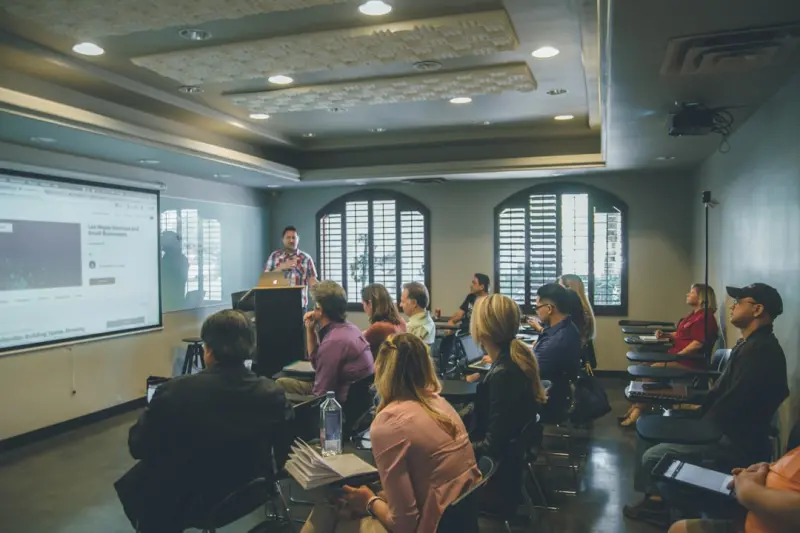
Reimagining Classroom Learning: Project‑Based, Hybrid, and Student‑Driven
Discover fresh approaches to education that blend project‑based learning, hybrid classrooms, and s... Read More

Learning in the Metaverse: How Spatial Collaboration is Reshaping Higher Education
The metaverse is turning classrooms into interactive, 3‑D worlds where students collaborate, exper... Read More

The Bite‑Size Revolution: How Microlearning Is Reshaping Professional Development
Microlearning transforms training into short, focused bursts that align with how we naturally consum... Read More
Top Posts
Why Side Projects Are the Secret Weapon for Career Resilience
Side projects are no longer just hobbies; they’re strategic career tools that showcase skills, expand networks, and provide tangible proof of initiative, help...Read More
Conversational Blogging: Turning Technical Updates into Real‑World Dialogues
Learn how to shift from monologue to dialogue in SaaS blogging, using a friendly voice, structured chat‑like formats, and interactive prompts to deepen reader...Read More

Turning Email Into a Two‑Way Dialogue: A Fresh Playbook
Shift from broadcasting to a two‑way email dialogue using intent‑based segments, real‑time feedback, and conversation metrics to drive deeper engagement a...Read More

Why Authentic Storytelling Wins on Social Media
Explore why authentic storytelling, combined with sustainability, is reshaping social media engagement and how you can harness this power to grow your brand org...Read More
0 Comments
Post Comment
You will need to Login or Register to comment on this post!