
When I first started tinkering with a weekend hobby that had nothing to do with my day‑job, I never imagined it would become the catalyst for my next promotion. Fast forward a few years, and I’ve watched dozens of colleagues turn a modest side project into a career‑changing opportunity. In today’s hyper‑connected economy, side projects are no longer a pastime; they’re a strategic career lever.
The Myth of the Linear Career Path
Many of us grew up with the comforting narrative that a career should look like a straight line: graduate, land a job, climb the ladder, retire. The reality is messier. Economic shocks, tech disruptions, and evolving personal interests mean that the “one‑track” model is increasingly obsolete. Rather than fearing deviation, savvy professionals now view non‑linear experiences as a source of differentiation.
Why Side Projects Matter More Than Ever
Side projects serve three critical functions:
- Skill Experimentation: They let you dip your toes into emerging technologies or methodologies without the risk of corporate red tape.
- Credibility Signals: A publicly visible project demonstrates competence to peers, managers, and recruiters.
- Network Magnetism: Working on something you love attracts like‑minded collaborators, opening doors that traditional networking often misses.
When a hiring manager sees a GitHub repo, a blog series, or a small SaaS tool you built in your spare time, they’re not just seeing a résumé bullet—they’re witnessing proof of initiative.
Choosing the Right Project: Aligning Passion with Market Demand
The trick isn’t to pick any hobby; it’s to find the sweet spot where personal curiosity meets market relevance. Start by mapping your interests against industry trends. For instance, if you’re in marketing, a side project that leverages generative AI in enterprise knowledge management could showcase both strategic thinking and technical fluency. If you’re a product manager, building a simple mobile app that solves a niche workflow problem can illustrate end‑to‑end product ownership.
Designing for Impact, Not Perfection
Perfectionism is the silent killer of side projects. The goal is to create something that works well enough to demonstrate value, not to launch a unicorn overnight. Adopt a “minimum viable product” mindset:
- Define a clear problem statement.
- Identify the core feature that solves it.
- Iterate based on real user feedback.
This approach mirrors the agile processes many companies champion, reinforcing that you already practice the methodologies they prize.
Documenting the Journey: Turning Work into a Story
Storytelling is a career superpower. As you develop your side project, capture the narrative:
- Why it matters: Explain the problem you identified.
- How you tackled it: Outline the tools, frameworks, and decisions.
- What you learned: Highlight new skills, unexpected challenges, and outcomes.
When you later discuss the project in an interview or performance review, you have a ready‑made framework that showcases both technical depth and strategic thinking.
Leveraging Public Platforms for Visibility
Visibility amplifies impact. Here are three platforms that work particularly well:
- GitHub or GitLab: Publish code with a concise README that tells the story.
- Medium or Substack: Write a series of posts detailing your process, challenges, and results.
- Product Hunt or Indie Hackers: Launch your prototype to receive community feedback and gain early adopters.
Each platform not only showcases your work but also creates backlinks to your professional profile, enhancing SEO for your personal brand.
Monetization Isn’t the Primary Goal—Unless It Is
While many side projects evolve into profitable ventures, the primary career benefit lies in the skill and credibility boost. That said, if your project does generate revenue, it adds a powerful proof point: you can turn ideas into market‑ready products. Whether it’s a subscription service, a consultancy gig, or a paid plugin, the financial metric is just another data point in your growth story.
Balancing Side Projects with Full‑Time Responsibilities
Time is finite, and the temptation to let a side hustle consume your evenings is real. To maintain balance:
- Set clear boundaries: Allocate a fixed number of hours per week—perhaps two evenings or a weekend morning.
- Prioritize high‑impact tasks: Focus on features that deliver the most learning or visibility.
- Communicate with your employer: Some companies encourage “20% time” for personal innovation. If yours does, align your project with broader business goals.
Remember, the side project should energize you, not drain you.
From Side Project to Career Pivot
When you’ve built a robust project, the transition to a new role can be smoother than a traditional job search. Here’s a practical roadmap:
- Update your résumé: Add a dedicated “Projects” section with concise bullet points that quantify impact (e.g., “Developed a SaaS tool that reduced manual data entry time by 30% for 150 users”).
- Revamp your LinkedIn: Feature the project in the “Featured” section, and write a short post summarizing key learnings.
- Leverage internal opportunities: If your current organization values innovation, propose integrating your side project into a product line or pilot program.
- Target roles that align with your new skill set: Use the project as evidence during interviews for positions that previously seemed out of reach.
Case Study: From Hobbyist to Head of Product
Consider Maya, a mid‑level product analyst who spent evenings building a lightweight analytics dashboard for freelancers. She documented the build on Medium, shared code on GitHub, and promoted the launch on Product Hunt. Within six months, a fintech startup reached out, impressed by her ability to translate user pain points into a polished UI/UX. Maya leveraged the project as a portfolio piece, negotiated a senior product manager role, and eventually ascended to Head of Product—something she hadn’t imagined when she first opened her laptop on a rainy Saturday.
Common Pitfalls and How to Avoid Them
Even the most enthusiastic side‑projecters stumble. Here are the top three mistakes and quick fixes:
- Scope creep: Resist the urge to keep adding features. Stick to the MVP and iterate.
- Lack of documentation: Record decisions as you go; future you (and potential employers) will thank you.
- Neglecting community: Share early drafts, ask for feedback, and engage with users. Isolation reduces impact.
Measuring Success Beyond Metrics
While downloads, stars, or revenue are tangible metrics, softer indicators matter too:
- New connections made in the industry.
- Invitations to speak at webinars or panels.
- Mentorship opportunities that arise from showcasing expertise.
These signals often translate into long‑term career capital that outweighs short‑term numbers.
Conclusion: Make Your Side Project a Career Engine
The modern professional landscape rewards curiosity, adaptability, and visible outcomes. By deliberately turning a personal passion into a structured side project, you create a living portfolio that proves you can learn, build, and deliver—exactly the qualities companies chase. So pick that idea you’ve shelved, set a modest schedule, and start building. Your next career breakthrough might just be a few lines of code—or a blog post—away.

Brad Hays is a freelance writer known for his versatile skill set and ability to craft compelling content across a wide range of industries.
Related Posts

Navigating a Sustainable Career Path: Balancing Professional Growth and Environmental Responsibility
Learn how to navigate a sustainable career path by balancing professional growth with environmental ... Read More

Designing a Career That Grows With You: The Agile Professional Playbook
A fresh look at career development that treats your professional path as an adaptable system—combi... Read More
Finding Purpose in a Changing World: How Sustainability Can Guide Your Career
Learn how to cultivate a purpose-driven career that aligns with your values and passions. Explore th... Read More
Top Posts

The Evolution of Sustainable Software Development
The software industry is evolving to prioritize sustainability, with a growing movement towards eco-friendly practices. Learn about the principles, challenges, ...Read More

Decoding Your Pet’s Inner Language: A Guide to Better Communication
Discover practical strategies to understand your pet’s signals, design supportive environments, and strengthen the bond—turning everyday interactions into m...Read More
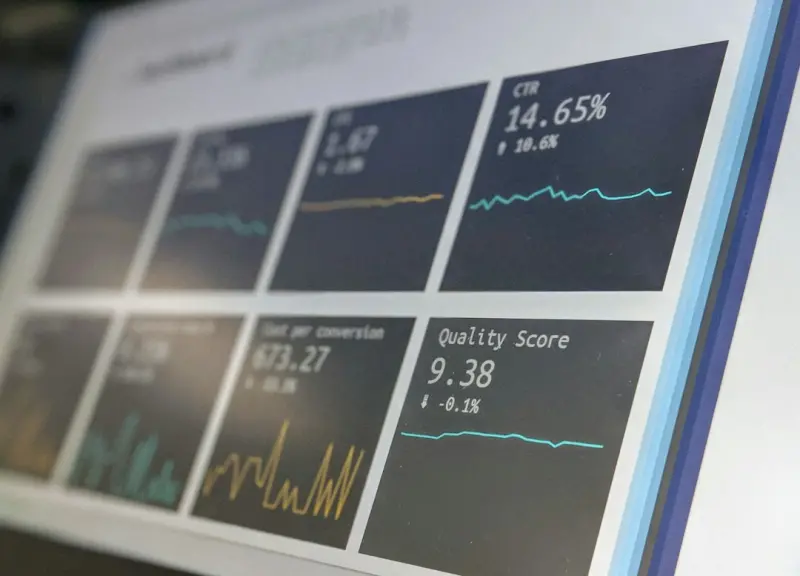
Adaptive Insurance: How Real-Time Data Is Turning Policies Into Predictive Partnerships
This post uncovers how continuous data streams, AI-driven modeling, and IoT sensors are reshaping insurance into dynamic, predictive partnerships, offering fast...Read More

Beyond Aesthetics: Designing Home Spaces That Nurture Mind & Body
A guide to crafting interiors that go beyond looks, using texture, light, sound, and adaptable furniture to create spaces that enhance focus, relaxation, and pe...Read More
0 Comments
Post Comment
You will need to Login or Register to comment on this post!