
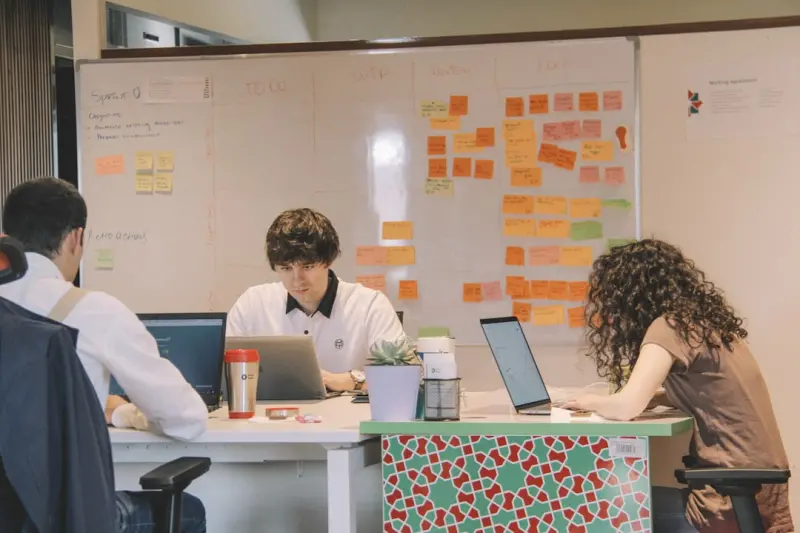
When I first stepped into the corporate arena, I imagined a linear ladder—each rung a promotion, each step a clear sign of progress. Decades later, that ladder has morphed into a sprawling, dynamic network of pathways, side‑quests, and occasional detours. The truth is, a career today is less about climbing and more about navigating, iterating, and, most importantly, staying adaptable. In this post I’ll share the mindset shifts, practical frameworks, and tech‑savvy habits that have helped me turn uncertainty into opportunity, and how you can do the same.
1. Stop Treating Your Job Title as Your Identity
It’s tempting to let a label—Senior Analyst, Marketing Director, Lead Engineer—be the anchor for your self‑worth. But titles are fleeting; the skills behind them are not. When a company reshuffles, merges, or pivots, titles can vanish overnight. Instead, focus on building a skill portfolio that is portable across industries. Think of each competency as a LEGO brick: you can rearrange, combine, and extend them in countless configurations.
Start by cataloguing what you do daily, then map those actions to broader, transferable capabilities: data storytelling, stakeholder alignment, rapid prototyping, or cross‑functional facilitation. This inventory becomes your personal career map—a living document you revisit every quarter.
2. Embrace the “Agile” Mindset for Your Professional Life
Agile isn’t just a software methodology; it’s a philosophy of continuous improvement. Apply its core principles to yourself:
- Iterate quickly. Set short‑term learning sprints (e.g., 2‑week deep dives into a new tool or concept).
- Seek feedback constantly. Regularly ask peers and managers for honest input, not just during formal reviews.
- Prioritise value. Identify which skills will deliver the highest impact on your current role and future aspirations.
By treating your career as a series of sprints rather than a marathon, you stay nimble and can pivot before market forces push you.
3. Leverage AI‑Enabled Tools Without Becoming a Slave to Them
Artificial intelligence has moved from novelty to necessity. Platforms that aggregate data, surface insights, and automate routine tasks can free up mental bandwidth for higher‑order thinking. For example, the integrated AI dashboards many B2B teams now rely on turn raw metrics into actionable narratives in seconds. Use these tools to:
- Identify emerging skill gaps in your organisation.
- Benchmark your performance against industry standards.
- Generate data‑driven proposals for new projects.
The key is to remain the decision‑maker, not the data‑collector. Let AI surface possibilities; you choose the direction.
4. Build a “Portfolio Career” Before You Need It
A portfolio career is a curated collection of roles, projects, and side‑ventures that together provide financial stability and professional growth. It’s not about quitting your day job to chase a hobby; it’s about strategically adding layers that complement your core work.
Consider these low‑risk entry points:
- Internal task forces. Volunteer for cross‑departmental initiatives that expose you to new technologies.
- Mentorship circles. Offer to mentor junior staff, which sharpens your coaching skills and expands your network.
- Freelance micro‑projects. Platforms for short‑term consulting can let you test new domains without a long‑term commitment.
Over time, these side activities become proof points you can showcase during performance reviews or job interviews.
5. Reclaim Cognitive Space in a Hyper‑Connected World
We’re constantly bombarded by notifications, emails, and chat pings. The mental clutter can erode deep work, which is the engine of skill acquisition. One practice that has saved me countless hours is the “digital quiet hour.” For one solid block each day—often early morning—I shut off all non‑essential notifications, close my inbox, and focus on a single learning objective.
If you need inspiration, check out the article on reclaiming mental space. The takeaway: protect your brain’s bandwidth the way you protect your calendar.
6. Turn Learning Into a Habit, Not a Project
Microlearning has exploded as a buzzword, but its core promise—bite‑size, on‑demand knowledge—remains powerful. While you might have read the microlearning wave elsewhere, the real trick is to embed it into daily rituals. Set aside five minutes after each meeting to note a takeaway, then spend the next ten minutes watching a short tutorial or reading a case study related to that insight.
This habit turns “learning” from a quarterly checkbox into a continuous, self‑reinforcing loop. Over months, those minutes accumulate into a robust expertise library you can draw upon when new challenges arise.
7. Align Purpose With Market Demand
Purpose is the compass, but market demand is the wind that propels the sail. Conduct a simple “purpose‑market fit” analysis every six months:
- Write down the core impact you want to make (e.g., “empower teams to make data‑driven decisions”).
- Research industry trends and job postings to see where that impact is most needed.
- Identify the gaps—skills or experiences you lack that would let you fill those roles.
- Plan targeted learning sprints to close those gaps.
When purpose and demand intersect, you’re not just surviving—you’re thriving in roles that feel meaningful.
8. Cultivate a Network That Mirrors Your Aspirations
Networking isn’t about collecting business cards; it’s about building relationships with people who embody the future you envision. Approach networking with three questions:
- Who are the innovators in the skill set I want to master?
- Which communities (online forums, local meetups, Slack groups) host those innovators?
- How can I contribute value to those groups—by sharing insights, offering help, or curating resources?
When you give first, the reciprocity that follows is often more genuine and long‑lasting.
9. Future‑Proof Your Career With Continuous Reinvention
Finally, treat each year as a mini‑restart button. Review your skill inventory, adjust your learning sprints, and refresh your portfolio projects. The world will keep shifting—new AI models, evolving regulations, emerging markets—but your commitment to reinvention will keep you ahead of the curve.
In a landscape where titles fade, technologies evolve, and work‑life boundaries blur, the most resilient professionals are those who view their career as a dynamic system—one they can observe, tweak, and scale at will. By adopting an agile mindset, leveraging intelligent tools, protecting mental bandwidth, and continuously aligning purpose with market demand, you can design a career that not only survives the unknown but thrives within it.

When it comes to the world of blogging and writing, Rose DesRochers is a name that stands out. Her passion for creating quality content and connecting with her audience has made her a trusted voice in the industry. Aside from her skills as a writer and blogger, Rose is also known for her compassionate nature.
Related Posts

How to Craft a Portfolio Career That Fuels Growth
Learn to create a portfolio career that blends multiple passions into a cohesive, profitable path, o... Read More

Designing a Portfolio Career: Stitching Skills into a Sustainable Income Stream
A portfolio career blends multiple skills and income streams into a resilient professional life. Thi... Read More

Designing a Resilient Portfolio Career in an Uncertain Job Market
Learn to transform uncertainty into opportunity by building a portfolio career, mastering skill agil... Read More
Top Posts

Negotiating Pay with Real‑Time Data: A Modern Blueprint for Career Growth
Learn to harness live market data, AI tools, and a personal salary dashboard to negotiate higher pay and build a diversified income strategy for lasting career ...Read More

When Your Brain Becomes a Full‑Time Juggler: Navigating Decision Fatigue in Modern Workflows
Decision fatigue silently erodes mental health and productivity. This article uncovers why constant micro‑decisions wear out our brains and offers actionable ...Read More

The Hidden Edge: Sensory Rituals That Elevate Athletic Performance
Explore the power of visual, auditory, olfactory, tactile, and taste cues in sports performance. Learn how to craft personal sensory rituals that sharpen focus,...Read More

Ambient Computing: The Quiet Revolution Reshaping Modern Workspaces
Ambient computing blends invisible sensors, edge AI, and context‑aware software to transform offices into proactive environments that enhance productivity, we...Read More
0 Comments
Post Comment
You will need to Login or Register to comment on this post!