
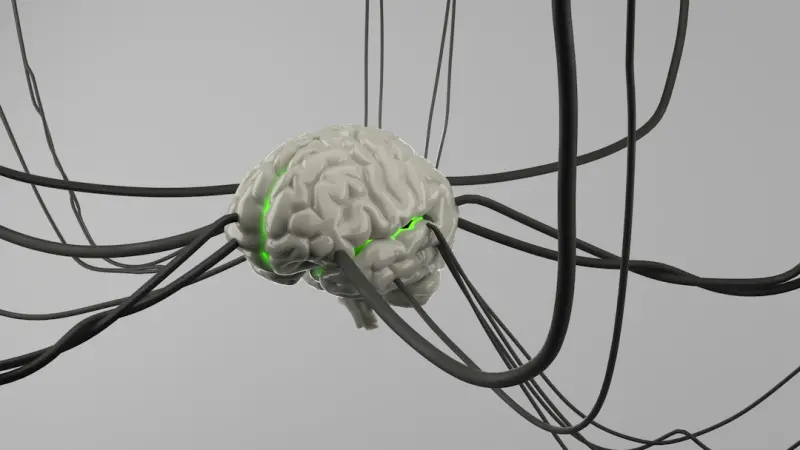
When Your Brain Becomes a Full‑Time Juggler: Navigating Decision Fatigue in Modern Workflows
Imagine walking into a kitchen where every appliance is beeping, lights are flashing, and a new recipe pops up on the screen every few seconds. You’re asked to choose a coffee, a snack, a playlist, and a temperature setting—all before you even sip your first cup. Your mind, already buzzing from the morning commute, now has to allocate precious cognitive resources to an avalanche of tiny choices. This is the everyday reality for many knowledge workers, and it’s a silent driver of mental strain that most organizations overlook.
Why Choices Matter More Than You Think
Decision fatigue is not just a buzzword; it’s a documented psychological phenomenon where the quality of decisions deteriorates after a series of choices—big or small. The brain’s executive function, located in the prefrontal cortex, works like a muscle: it gets stronger with deliberate training but wears out when overused. When you’re constantly forced to pick, you expend mental energy that could otherwise be devoted to creativity, strategic thinking, or even basic problem‑solving.
In the context of a typical workday, this fatigue can manifest as:
- Procrastination: Delaying important tasks because the brain feels “full.”
- Impaired Judgment: Settling for the first acceptable option rather than the optimal one.
- Increased Irritability: Heightened emotional reactivity to minor setbacks.
- Physical Symptoms: Headaches, eye strain, and a lingering sense of mental fog.
When these symptoms aggregate across a team, they erode collective productivity and, more critically, chip away at mental health.
The Hidden Architecture of Everyday Choices
Modern workplaces are a labyrinth of decision points—email filters, notification settings, dashboard configurations, and even the color scheme of a UI. Each element, while designed to enhance efficiency, often adds another layer to the cognitive load. For example, a digital community platform that allows endless customization might feel empowering at first, but it also forces users to constantly tweak settings, decide who to follow, and curate content streams. The paradox is clear: tools built for empowerment can become sources of mental overload.
Case Study: The “Inbox Avalanche” Phenomenon
Take the classic inbox scenario. An employee receives 120 emails in a single morning. Each email requires a micro‑decision: read now, flag for later, delegate, or delete. Even if each decision takes only a second, the cumulative time and mental effort add up quickly. Research suggests that after handling roughly 50 micro‑decisions, the brain’s decision‑making capacity can drop by up to 25%.
When the employee finally gets to a high‑impact project that demands deep focus, they’re already operating at a depleted cognitive baseline. The result? Shallow work, missed insights, and a creeping sense of overwhelm.
Designing for Cognitive Conservation
To combat this silent crisis, organizations must shift from “choice‑heavy” to “choice‑light” design philosophies. Here are actionable strategies that can be embedded into product development, team processes, and personal workflows:
1. Consolidate Options
Instead of presenting five different reporting templates, offer three well‑defined categories with clear use‑cases. This reduces the mental bandwidth required to evaluate each option.
2. Implement Default‑First Philosophy
When a decision point is introduced, pre‑select the most common or recommended choice. Users can deviate if needed, but the default should solve the problem for the majority. This mirrors how many operating systems set default privacy settings, reducing the need for users to become privacy experts overnight.
3. Batch Similar Decisions
Encourage “decision batching”—setting aside specific times for email triage, meeting scheduling, or task prioritization. This technique aligns with the concept of “deep work” by protecting uninterrupted periods for high‑value tasks.
4. Leverage Contextual Automation
Automation tools that adapt to user behavior can intelligently surface the right information at the right moment, eliminating the need for manual selection. Think of a system that learns you prefer weekly status updates on Monday mornings and automatically pushes a concise digest, sparing you from digging through multiple threads.
5. Introduce “Decision‑Free Zones”
Create physical or digital spaces where no decisions are required—no emails, no notifications, just a clean canvas for focused work. Companies can set up “focus rooms” or designate “no‑meeting Fridays” to give teams the mental breathing room they need.
Mindful Tech Use: A Personal Countermeasure
On an individual level, mindfulness isn’t just a buzzword; it’s a practical tool to reset decision‑making muscles. Here’s a simple routine you can adopt:
- Morning Reset: Spend five minutes reviewing your calendar and prioritizing tasks. Identify the “must‑do” items and mark the rest as optional.
- Mid‑Day Check‑In: After a block of work, pause for a brief breathing exercise. This helps clear residual decision fatigue before you tackle the next batch of choices.
- Evening Reflection: Jot down three decisions you made that day—big or small—and evaluate their impact. Over time, you’ll notice patterns and can streamline future decisions.
These micro‑habits may seem trivial, but they provide the brain with deliberate moments of rest, improving overall resilience.
Leadership’s Role in Reducing Decision Overload
Leaders often set the tone for how decisions are framed and delegated. A top‑down approach that micromanages every detail not only stifles autonomy but also amplifies cognitive strain across the organization. Effective leadership practices include:
- Clarify Decision Authority: Define who owns which decisions. When a team knows its decision‑making boundaries, they can act swiftly without seeking constant approvals.
- Promote Transparency: Share the rationale behind major decisions. When employees understand the “why,” they’re less likely to second‑guess or feel the need to over‑analyze.
- Celebrate “Good Enough”: Emphasize that perfection isn’t always necessary. Encouraging a “good enough” mindset reduces the pressure to endlessly iterate.
Tech‑Enabled Solutions That Respect Mental Bandwidth
While the previous sections highlighted human‑centric strategies, technology can also be a force multiplier—if designed with mental health in mind. Consider platforms that incorporate adaptive interfaces, which learn a user’s preferences and adjust the UI complexity accordingly. Such systems can surface only the most relevant tools at the moment they’re needed, leaving the rest hidden until the user explicitly requests them.
For a practical illustration, see how family‑focused habit apps have begun to gamify routine building, turning repetitive chores into low‑stress activities. The underlying principle—turning routine decisions into automatic, low‑effort actions—applies equally well to professional settings.
Measuring the Impact: From Gut Feelings to Data‑Driven Insights
To justify investments in decision‑fatigue mitigation, organizations need measurable outcomes. Here are key performance indicators (KPIs) you can track:
- Decision‑Time Metrics: Average time spent on routine decisions before and after implementing defaults.
- Deep‑Work Hours: Percentage of uninterrupted work blocks per employee per week.
- Well‑Being Survey Scores: Self‑reported stress and mental clarity levels.
- Productivity Output: Correlation between reduced decision load and task completion rates.
By aligning mental‑health initiatives with concrete business metrics, you make a compelling case for sustained focus on cognitive conservation.
The Road Ahead: Cultivating a Culture of Cognitive Kindness
Decision fatigue is a silent, pervasive threat to mental health, but it’s also a solvable one. It demands a paradigm shift—from celebrating endless choice to honoring the brain’s need for simplicity. As we move toward increasingly connected and data‑rich work environments, the responsibility to design experiences that protect mental bandwidth becomes a shared mission.
When organizations prioritize cognitive kindness, they unlock not just healthier employees but also more innovative, agile, and resilient teams. The payoff is clear: less burnout, higher engagement, and a sustainable path to achieving strategic goals without sacrificing the well‑being of the people who make them possible.

Ryan Stuart is a seasoned freelance features writer, editor, and professional photographer with a passion for exploring the world and capturing its beauty through words and images.
Related Posts

Unlocking the Healing Power of Narrative Journaling
Narrative journaling turns everyday thoughts into a powerful tool for emotional growth, helping you ... Read More
Microbreak Mastery: Reclaiming Mental Clarity in a Hyperconnected Workday
Discover the power of short, purposeful pauses—microbreaks—to reset your brain, reduce stress, a... Read More
The Quiet Revolution: Harnessing Ambient Soundscapes for Workplace Mental Health
A deep dive into how intentional ambient soundscapes can quietly transform workplace mental health, ... Read More
Top Posts

Smart Gear, Wild Trails: The New Frontier of Outdoor Play
A deep dive into how connected devices, real‑time community insights, and AI are transforming outdoor recreation, making adventures safer, more personalized, ...Read More

The Hidden Power of Network Resilience: How Adaptive Meshes Keep Remote Teams Connected
Network resilience is no longer optional for remote-first companies. This post explores adaptive mesh architectures, practical steps for migration, and how a re...Read More

Designing an Adaptive Home Office That Grows With You
Learn practical strategies for building a home office that adapts to changing tasks, moods, and technologies, using modular furniture, color dynamics, and smart...Read More

Edge‑First Architecture: The Next Web Development Frontier
Discover why moving compute, data, and security to the network edge is the game‑changing strategy for modern web developers, boosting performance and scalabil...Read More
0 Comments
Post Comment
You will need to Login or Register to comment on this post!