

When I first walked onto the floor of a fast‑growing SaaS startup, the most common sight was a sea of spreadsheets, a handful of legacy software, and a chorus of “if only we had a better way” murmurs. Six months later, after piloting a modular toolkit that stitched together data sources, automations, and visualizations, those murmurs turned into a rallying cheer. The shift wasn’t magical—it was the result of rethinking how we define a “tool” for modern B2B teams.
Why the Old‑School Toolkit Model Is Crumbling
For decades, enterprises built their operational arsenals around monolithic platforms—CRM giants, ERP suites, and project‑management behemoths. These solutions excel at depth but often stumble at breadth. The pain points are familiar:
- Fragmented workflows: Teams spend hours toggling between apps, copying data manually, and chasing inconsistencies.
- High onboarding overhead: New hires need weeks of training to become effective, because each tool comes with its own jargon and quirks.
- Stifled innovation: When a platform’s roadmap doesn’t match a department’s evolving needs, the organization either builds a custom patch (which becomes another silo) or lives with compromise.
In short, the traditional toolkit rewards stability over agility—something that simply can’t survive the velocity of today’s market.
The Modular Toolkit Paradigm: A Fresh Take on “Tools”
Enter the modular toolkit: a lightweight, interchangeable set of purpose‑built components that can be assembled, swapped, or retired on the fly. Think of it as a LEGO set for the enterprise, where each brick—be it a data connector, a UI widget, or a micro‑automation—speaks the same language and can be snapped into any structure you need.
What makes this approach truly revolutionary is its emphasis on interoperability first. Rather than forcing a one‑size‑fits‑all platform on every department, a modular toolkit lets each team pick the exact pieces that solve its most pressing problems, and then connects those pieces to a shared data backbone. The benefits cascade:
- Speed to value: Deploy a new reporting widget in days, not months.
- Scalable learning curves: Users adopt only the modules relevant to them, reducing cognitive load.
- Future‑proof architecture: When a better micro‑service emerges, you swap the module instead of rewriting the whole system.
Core Features Every Modern Modular Toolkit Should Offer
Before you dive into the marketplace, make sure your toolkit checks these boxes. Otherwise, you risk buying a “modular” product that’s merely a collection of poorly integrated add‑ons.
- Drag‑and‑drop composition engine: A visual canvas where business users can chain together modules without touching code.
- Open‑API and webhook support: Enables seamless integration with legacy systems and third‑party SaaS apps.
- Version‑controlled module library: Teams can pin a module to a specific version, ensuring stability while still allowing upgrades.
- Built‑in governance: Role‑based access, audit trails, and data residency controls to satisfy compliance demands.
- AI‑enhanced suggestions: Contextual recommendations that surface the most relevant modules based on usage patterns.
Case Study: From Information Silos to a Unified Insight Engine
One of our early adopters—a mid‑size manufacturing B2B supplier—had three distinct teams (sales, operations, and finance) each maintaining its own reporting stack. The sales crew relied on a CRM, ops used a custom MES, and finance ran an on‑premise ERP. When a sudden demand surge hit, the company realized they could not get a single, real‑time view of inventory versus order backlog.
We introduced a modular toolkit that offered a pre‑built integrated AI dashboards component, a data‑sync connector, and a low‑code workflow engine. Within two weeks, the teams built a shared dashboard that pulled live inventory levels from the MES, combined them with the CRM pipeline, and overlaid financial forecasts. The result?
- Decision‑making latency dropped from days to minutes.
- Order fulfillment accuracy improved by 18%.
- Cross‑team meetings that previously lasted an hour were reduced to a 15‑minute sync.
The key takeaway? The toolkit’s modular nature allowed the organization to start small—just a single dashboard—then iteratively add modules like automated alerts and a custom KPI widget as confidence grew.
Adoption Strategies for the Skeptical Leader
Even the most data‑driven executives can be wary of a “new way to work.” Here are three tactics that helped me convert skeptics into champions:
- Pilot with a high‑visibility problem: Choose a pain point that directly impacts the bottom line. Quick wins prove the concept’s value and build momentum.
- Involve end users early: Let the people who will use the modules shape the UI and workflow. Their ownership reduces resistance and surfaces hidden requirements.
- Measure and publicize ROI: Track concrete metrics—time saved, error reduction, revenue uplift—and share them company‑wide. Numbers speak louder than anecdotes.
When you pair these tactics with a transparent governance model, the transition feels less like a tech overhaul and more like an evolution of the everyday workflow.
Measuring Success: Metrics That Truly Matter
It’s tempting to count the number of modules deployed, but that’s a vanity metric. Instead, focus on outcomes that align with business goals:
- Time‑to‑insight: Average minutes from data generation to actionable insight.
- Adoption rate: Percentage of target users actively building or using modules each week.
- Process automation coverage: Proportion of repeatable tasks now handled by the toolkit’s workflow engine.
- Error rate reduction: Frequency of manual entry mistakes before vs. after implementation.
Regularly review these numbers in your governance dashboards. If a metric stalls, it’s a signal to either refine the existing module or develop a new one that addresses the gap.
Future Trends: AI‑Augmented Modules and the No‑Code Fusion
Looking ahead, the modular toolkit market is converging with two powerful currents: AI‑driven augmentation and the democratization of development via no‑code platforms. Imagine a module that not only pulls data but also predicts the next inventory shortage using a trained model, then auto‑generates a mitigation workflow—without a single line of code written by a data scientist.
In practice, this vision is already materializing. Vendors are embedding large language models that can translate plain‑English prompts into functional modules, while also offering a marketplace where community‑built components can be shared, rated, and instantly deployed.
For teams looking to stay ahead, the strategic move is to adopt a toolkit that embraces these emerging standards. That way, when AI‑augmented modules become the norm, you’re not scrambling to retrofit; you’re simply pulling the next piece off the shelf.
Micro‑Learning the Toolkit: Driving Mastery at Scale
One hidden obstacle in any tool rollout is the learning curve. Traditional training sessions are costly and quickly become outdated as the platform evolves. A smarter approach leverages microlearning for tool adoption. By delivering bite‑sized, context‑aware tutorials—right when a user is about to interact with a module—organizations boost retention and confidence without pulling employees away from their work.
For example, a user hovering over a data‑visualization component can instantly see a 30‑second tip on customizing filters, or a short quiz that reinforces key shortcuts. The result is a self‑sustaining learning ecosystem that scales alongside the toolkit itself.
Wrapping Up: The Toolkit Mindset as a Competitive Advantage
Tools are no longer static assets; they’re dynamic catalysts for transformation. By embracing modular, interoperable, AI‑ready components, B2B companies can turn friction into flow, speculation into insight, and ambition into measurable outcomes. The journey starts with a single module—a dashboard, a connector, a micro‑automation—but the trajectory can reshape an entire enterprise’s operating model.
If you’re still leaning on spreadsheets and legacy monoliths, ask yourself: are you building a foundation for the future, or a relic for the past? The modular toolkit offers a clear answer: a foundation you can rebuild, brick by brick, without ever stopping the business you’re trying to empower.

Mei Chen is a dynamic professional who brings a unique blend of skills to Blogging Fusion. As a key contributor to the Blogging Fusion platform, she leverages her writing expertise to create engaging content that resonates with our audience.
Related Posts
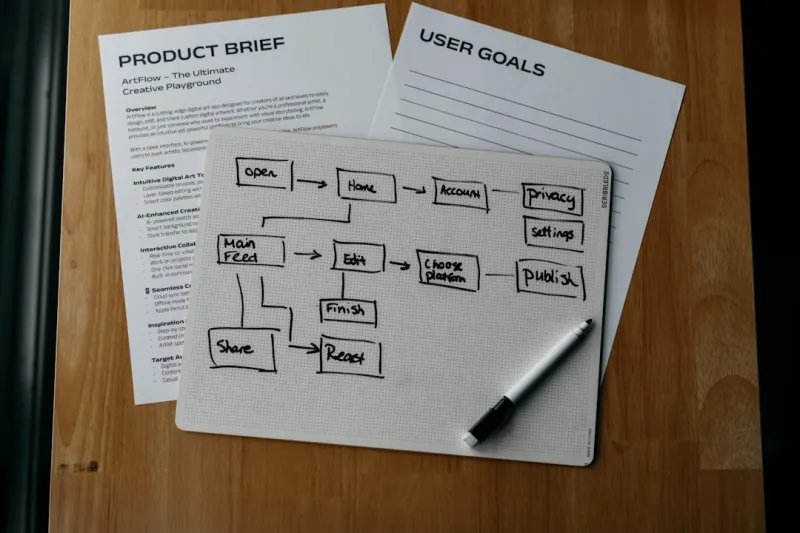
Trending Tools That Are Redefining Sustainable Workflows in 2026
Explore the latest sustainable tools reshaping digital workflows in 2026, from eco‑optimized plugi... Read More
My Go‑To Sustainable Toolkit for Everyday Makers
Explore how a curated set of sustainable tools—from bamboo laptop stands to low‑energy pluginsâ€... Read More

Building a Personal Modular Toolkit: The Future of Handheld Tools
Explore the rise of modular handheld tools, learn how to build a portable, future‑proof kit, and u... Read More
Top Posts

Cultivating Purpose: How a Mindful Garden Fuels Sustainable Living
Explore the art of purpose‑driven gardening, from soil health to community harvests, and learn how each seed sown cultivates a more sustainable, connected lif...Read More

When Your Fridge Starts Predicting Dinner: The Future of Smart Appliances
Smart appliances are evolving from passive tools into predictive partners that suggest meals, optimize energy use, and anticipate maintenance—offering a quiet...Read More

From Neighborhood Courts to Corporate Boards: Unleashing Sports‑Inspired Innovation
A fresh look at how the lessons from local sports clubs—quick feedback loops, transparent budgeting, and season‑based planning—can transform SaaS product ...Read More

Why Renting High-End Appliances Is the Smartest Move for Modern Offices
Exploring the shift from owning to renting premium office appliances, this post reveals financial, operational, and cultural advantages of the appliance‑as‑...Read More
0 Comments
Post Comment
You will need to Login or Register to comment on this post!