
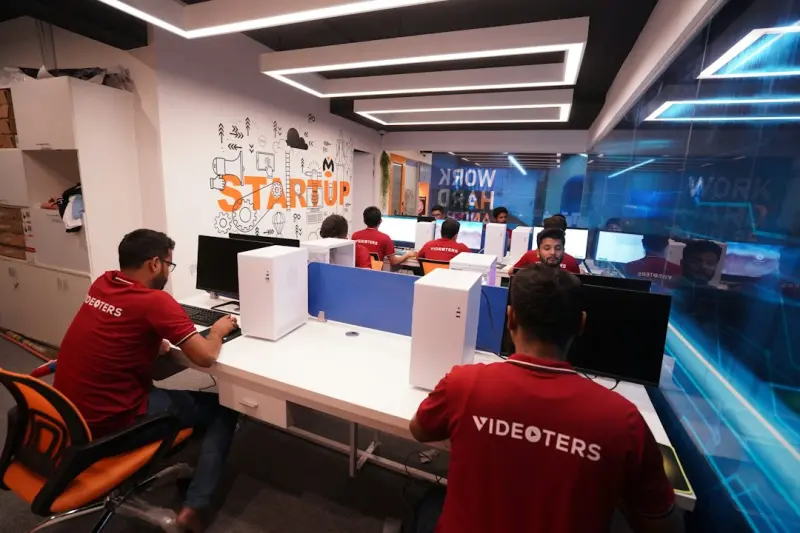
Why Media Agencies Can’t Afford to Stay Static Anymore
For years, the dominant mantra in the media world has been “more impressions, lower CPM.” That equation worked when audiences were largely passive and campaigns were measured by reach alone. Today, however, consumers are always connected, toggling between screens, voice assistants, and immersive environments in a matter of seconds. The old batch‑and‑broadcast model is rapidly being replaced by a real‑time narrative engine—a technology‑driven framework that lets agencies craft, test, and adapt stories on the fly, guided by live audience signals.
In my experience leading creative strategy for multiple agency accounts, the most successful teams are those that treat data as a narrative partner, not just a performance metric. This post explores the practical steps to embed a real‑time narrative engine into your agency’s workflow, the cultural shift required, and the measurable upside you can expect.
The Evolution from Static Creative to Dynamic Storytelling
Static creative is a snapshot: a single video, banner, or copy block that lives for the duration of a flight. Dynamic storytelling, on the other hand, is a living organism that morphs as the audience engages. Think of it as a choose‑your‑own‑adventure where each decision point is powered by live data—demographics, sentiment, location, even weather.
- Speed of iteration: What used to take weeks now happens in minutes.
- Personalization depth: Moving beyond simple name insertion to contextual experiences that respond to real‑world triggers.
- Cross‑channel harmony: A story can start on TikTok, continue in an AR overlay on a mobile app, and conclude in an in‑store display—all without losing narrative cohesion.
This transformation requires more than a new tech stack; it demands a re‑thinking of agency culture, from how we pitch to how we bill clients.
Blueprint for a Real‑Time Narrative Engine
Building a robust engine involves three interlocking layers: data ingestion, AI‑driven creative generation, and an orchestration hub that routes the right story to the right place at the right time.
1. Data Ingestion and Normalization
First, gather signals from every touchpoint—social listening, programmatic buying platforms, CRM, and emerging sources like voice‑assistant queries. The challenge is to unify these streams into a single, query‑able schema. Leveraging a edge‑first internet architecture can dramatically reduce latency, allowing you to process millions of events per second without bottlenecks.
2. AI‑Powered Creative Generation
Modern generative models can take a brand brief, a set of audience attributes, and produce variations of copy, video edits, or even 3‑D assets in seconds. The key is to train these models on brand‑specific guidelines—tone, visual language, compliance constraints—so the output remains on‑brand. A best practice is to set up a “creative sandbox” where AI suggestions are reviewed by human editors before deployment, ensuring a balance between scale and quality.
3. Orchestration Hub
The orchestration hub is the conductor that decides which creative variant should be served to which user segment, at what moment. It pulls real‑time insights, applies business rules (e.g., budget caps, brand safety), and pushes the final asset to the appropriate ad exchange or owned channel. Modern cloud‑native workflow engines make this possible with sub‑second decision latency.
Data Foundations: Moving Past Clicks
Clicks are the tip of the iceberg. To truly power a narrative engine, agencies must dig deeper into behavioral intent and emotional resonance. Sources to consider include:
- Micro‑moment tracking: Capture the exact second a user pauses on a product page, scrolls past an ad, or engages with a brand hashtag.
- Sentiment analysis: Use natural language processing on social comments to gauge the mood surrounding a campaign.
- Environmental context: Weather, local events, or even traffic conditions can inform creative tweaks (e.g., promoting a hot beverage on a cold day).
When you feed these nuanced signals into the orchestration hub, the engine can surface stories that feel hyper‑relevant, boosting both engagement and conversion rates.
AI‑Driven Creative Generation in Practice
Imagine a fashion brand launching a new sneaker line. Instead of a single hero video, the engine creates dozens of micro‑videos, each tailored to a specific city’s street style trends, weather, and local influencers. An AI model selects the best‑performing variant for each city, swaps in localized copy, and even adjusts the soundtrack to match regional music preferences.
Key implementation steps:
- Define brand constraints: Set up a rule set that outlines prohibited language, color palettes, and compliance checks.
- Curate training data: Feed the AI with past high‑performing assets and brand guidelines.
- Human‑in‑the‑loop review: Establish a rapid QA process where senior creatives approve AI outputs before they go live.
- Continuous learning: Feed performance metrics back into the model to refine future generations.
Immersive Formats: AR, VR, and the Next Canvas
While video and static images still dominate, immersive formats are gaining traction, especially for premium brands looking to differentiate. A real‑time narrative engine can trigger an AR experience when a user scans a product QR code, dynamically swapping the virtual environment based on the user’s location or recent browsing history.
For instance, a travel agency could serve a VR “preview” of a destination that changes its lighting and crowd density based on the viewer’s local time of day, creating a sense of immediacy and relevance.
Orchestrating the Workflow with Mobile‑First and Edge Strategies
In an increasingly mobile‑centric world, your engine must be mobile‑first. This means designing APIs and asset delivery pipelines that prioritize low‑bandwidth, high‑latency environments without sacrificing creative fidelity.
Key tactics include:
- Progressive asset loading: Serve a lightweight skeleton first, then enrich with higher‑resolution assets as bandwidth permits.
- Edge caching: Store frequently accessed creative components at edge nodes to reduce round‑trip time.
- Device‑aware rendering: Detect screen size, OS, and hardware capabilities to serve the optimal format (e.g., WebGL for high‑end devices, Canvas fallback for older phones).
These practices ensure the narrative engine remains fast, reliable, and accessible across the full spectrum of consumer devices.
Measuring Success in a Fluid Landscape
Traditional KPIs like CPM and click‑through rate are still useful, but they don’t capture the full impact of a dynamic narrative. Consider augmenting your measurement framework with:
- Engagement depth: Time spent interacting with an AR experience or the number of story branches a user explores.
- Conversion velocity: How quickly a user moves from first exposure to purchase, measured in seconds rather than days.
- Sentiment lift: Changes in brand sentiment pre‑ and post‑campaign, derived from social listening tools.
- Creative efficiency: Ratio of AI‑generated assets that pass human QA on the first pass, indicating model maturity.
By aligning these metrics with client business objectives, agencies can demonstrate the tangible ROI of investing in a real‑time narrative engine.
Culture Shift: From Campaign‑Centric to Experience‑Centric
Technology alone won’t win the battle; the agency’s internal culture must evolve. Teams need to embrace a mindset of continuous experimentation, where a “failed” creative variant is simply data that informs the next iteration. Encourage cross‑functional squads—strategists, data scientists, developers, and creatives—to co‑own the narrative engine, breaking down the silos that traditionally separate planning from execution.
In practice, this can look like weekly “story sprints” where the squad reviews real‑time performance dashboards, hypothesizes new creative twists, and pushes updated assets within hours. Such agility not only delights clients but also positions the agency as a true partner in the brand’s growth journey.
Future Outlook: The Next Frontier for Media Agencies
As privacy regulations tighten and first‑party data becomes the gold standard, agencies that have already mastered real‑time narrative engines will be better positioned to thrive. The next wave will likely involve deeper integration with digital twins—virtual replicas of consumer journeys that allow brands to simulate campaign outcomes before launch.
Moreover, the rise of generative AI for audio and voice opens doors to hyper‑personalized podcast inserts or dynamic in‑car advertising that adapts to the driver’s route and mood. The core principle remains: storytelling must be as fluid as the audience’s attention span.
By investing now in the infrastructure, talent, and cultural foundations needed for real‑time narrative engines, media agencies can transform from service providers into strategic storytellers who drive measurable, sustainable growth for their clients.

Mei Chen is a dynamic professional who brings a unique blend of skills to Blogging Fusion. As a key contributor to the Blogging Fusion platform, she leverages her writing expertise to create engaging content that resonates with our audience.
Related Posts
From Billboards to Byte‑Sized Narratives: Rethinking the Media Agency Playbook
A deep dive into how media agencies can thrive by embracing decentralized media buying, data‑first... Read More

Reimagining Media Agency Playbooks: From Data Silos to Adaptive Storyscapes
Media agencies must move beyond traditional campaign models, embracing first‑party data, semantic ... Read More

Why Media Agencies Must Embrace a Privacy‑First, Real‑Time Creative Engine
Media agencies can future‑proof their strategies by shifting from third‑party cookies to zero‑... Read More
Top Posts
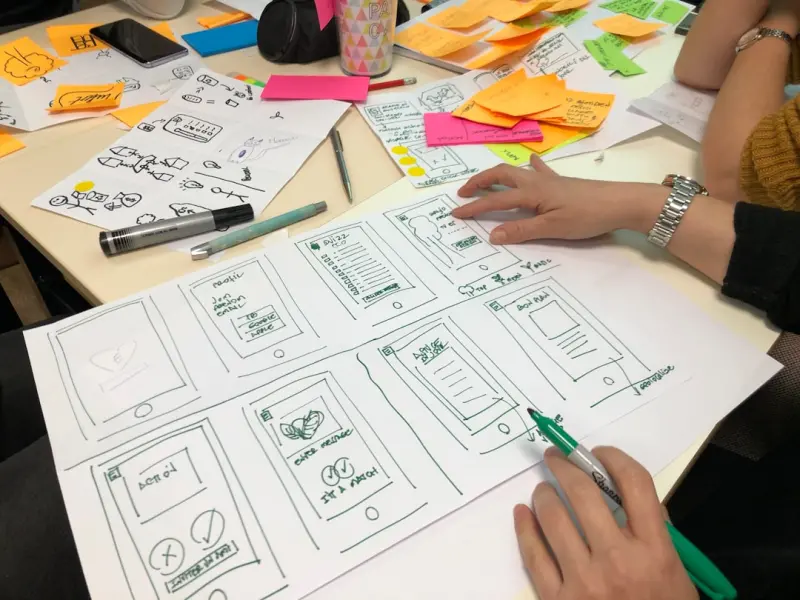
Designing the Future Web: Narrative Micro‑Interactions, AI Artistry, and Voice‑First Experiences
Discover a fresh web design approach that blends storytelling micro‑interactions, AI‑generated art, and voice‑first interfaces to create engaging, sustain...Read More

Why Modular Laptops Are the Secret Sauce for Tomorrow’s Remote Workforce
Modular laptops let remote workers swap components like GPUs, storage, and ports, extending device lifespan and cutting e‑waste while delivering tailored perf...Read More

From Side Hustles to a Full‑Time Portfolio Career: A Blueprint for Sustainable Success
Learn to craft a sustainable portfolio career by mapping skills, building a personal brand, pricing wisely, and leveraging modern tools for long‑term success....Read More

Live‑Stream Shopping Is the New Retail Playground
Live‑stream shopping merges real‑time video, community interaction, and instant checkout, turning casual viewers into impulse buyers and redefining the mode...Read More
0 Comments
Post Comment
You will need to Login or Register to comment on this post!