
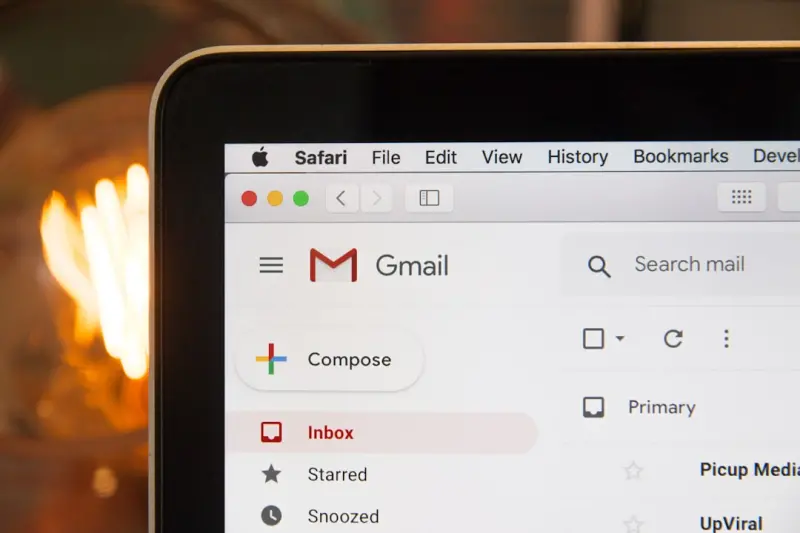
Why Email Still Beats Social in the Trust Game
When I first cut my teeth on newsletters, the buzz around social feeds made me wonder if email was already a dinosaur. Fast‑forward a few campaigns, and I’m convinced that the inbox remains the only place where a brand can claim an undivided, permission‑based audience. Trust isn’t bought; it’s earned through consistent value, and email gives you the quiet, private stage to do just that. People curate their contacts like a personal library, so a well‑crafted message feels like a recommendation from a friend, not a shout from a megaphone. That intimacy translates into higher open rates, deeper click‑throughs, and ultimately, stronger lifetime value. The secret isn’t in flashy graphics; it’s in the relational mindset that treats each subscriber as a partner in a conversation.
From Broadcast to Dialogue: Shifting Your Mental Model
The biggest mistake I see marketers make is treating email like a one‑way broadcast. I stopped counting clicks and started counting replies, surveys, and even the silence that signals disinterest. By framing each send as a question rather than an announcement, you invite feedback and create a loop of continuous improvement. A simple “What do you think?” at the end of a newsletter can surface insights you’d never get from analytics alone. When you genuinely listen, you can segment on engagement intent, not just demographics, and nurture leads with content that feels tailor‑made. This shift from monologue to dialogue also reduces unsubscribe churn, because people feel heard before they decide to leave.
Behavioral Science Meets Subject Lines
Subject lines are the front door of your email house, and I’ve learned to treat that door with the same care a psychologist would give a patient’s first impression. Leveraging scarcity (“Only 24 hours left”), reciprocity (“Your free guide inside”), and social proof (“Join 10,000 marketers”) taps into primal decision‑making pathways. I test these triggers in A/B experiments, but I also watch the emotional tone—curiosity beats urgency when your audience is information‑fatigued. The result? Open rates climb without resorting to click‑bait, and the brand voice stays authentic. For a deeper dive into the psychology behind sensory cues, check out neuro‑branding insights that can be adapted for email copy.
Personalization at Scale: The AI Assistant You Need
Automation used to mean “same email to everyone at 9 am,” but today AI lets us craft micro‑segments that feel handcrafted. I feed my platform data on browsing behavior, past purchases, and even the time of day a subscriber usually opens mail. The AI then suggests product recommendations, subject line tweaks, and dynamic content blocks in real time. This isn’t a magic wand; it’s a disciplined workflow that requires clean data and a clear hypothesis. When the system suggests “Show a winter coat to Jane because she clicked a sweater last week,” I validate the logic before the send. The payoff is a noticeable lift in conversion, because the email mirrors the shopper’s current mindset. If you want to explore how conversational interfaces can further enrich this experience, see voice‑first email tools.
Design for the Mobile‑First Inbox
Over 70 % of emails are opened on a smartphone, so a cluttered layout kills engagement before the first word is read. I follow a “single‑column, punchy visual” rule: a concise header, a brief body copy, and one clear call‑to‑action (CTA). The CTA button should be at least 44 px tall and use a contrasting color that stands out against the background. Avoid heavy images that increase load time; instead, use SVG icons or GIFs sparingly to convey motion. Testing on multiple devices ensures the email renders gracefully, and a quick “preview on device” check catches truncation issues that could break the message. Remember, a sleek design isn’t just aesthetic; it signals professionalism and respect for the reader’s time.
Timing Is Not a Guessing Game
When I first started sending newsletters, I hit “send at 9 am” and hoped for the best. Later, I realized that timing should be data‑driven, not arbitrary. By analyzing when each segment historically clicks, I can schedule sends to match individual peak moments—morning for executives, evening for freelancers. This approach aligns with the principle of “right‑time relevance,” which reduces friction and boosts click‑through rates. A useful reference for handling performance at scale is Balancing Speed and Stability, which offers insights into maintaining system reliability while processing large send volumes.
Building an Email Community, Not Just a List
Think of your subscriber base as a club rather than a mailing list. I create exclusive spaces—private Slack channels, invite‑only webinars, and member‑only content hubs—that give people a reason to stay subscribed beyond the occasional promotion. When you provide a sense of belonging, the inbox becomes a portal to a larger ecosystem. I encourage user‑generated content, like sharing success stories that I then feature in the next newsletter. This loop not only supplies fresh material but also amplifies social proof, making future emails more compelling. The community vibe reduces churn, because leaving feels like abandoning a tribe.
Metrics That Matter: Beyond Open and Click Rates
Open and click metrics are the low‑hanging fruit, but they don’t tell the full story of revenue impact. I track “conversion velocity”—the time it takes from the first email to a purchase—and “lifetime value per subscriber” to gauge true ROI. Another underused metric is “email‑derived referrals,” where a subscriber forwards the email and a new lead signs up. By assigning monetary value to these actions, you can justify budget allocations and optimize for the most profitable touchpoints. Regularly reviewing these deeper metrics keeps the strategy grounded in business outcomes rather than vanity numbers.
The Ethical Edge: Permission, Privacy, and Transparency
In a world of data breaches and privacy scandals, maintaining ethical standards is not optional—it’s a competitive advantage. I make the unsubscribe process effortless, include clear privacy policies, and never sell email lists. When subscribers see that you respect their inbox, they reward you with loyalty. Moreover, compliance with regulations like GDPR and CAN‑SPAM protects you from costly fines and reputational damage. Transparency in how you collect and use data builds trust, and that trust is the bedrock of any successful email marketing program.
Future‑Proofing Your Email Strategy
The inbox will evolve, but the core principle—delivering genuine value to a willing audience—remains immutable. I keep my stack adaptable by staying abreast of emerging standards such as BIMI (Brand Indicators for Message Identification) and AMP for Email, which enhance brand visibility and interactivity. I also experiment with interactive elements like polls and quizzes that keep readers engaged without leaving the email. By iterating, measuring, and staying true to a relationship‑first mindset, you future‑proof your campaigns against algorithm changes, platform shifts, and audience fatigue. The goal isn’t just to sell today, but to nurture a lifelong partnership that keeps your brand top‑of‑mind whenever a need arises.

Seth Samual is a name that's quickly becoming synonymous with compelling and insightful writing. As a freelance writer, Seth has carved a niche for himself by delivering high-quality content across a diverse range of subjects.
Related Posts
The Secret Sauce of Hyper‑Personalized Email Campaigns
Ready to turn bland newsletters into conversion powerhouses? Dive into the art of hyper‑personaliz... Read More

The Secret Sauce Behind Email Campaigns That Convert
Explore innovative tactics—psychology‑driven subject lines, interactive AMP content, and AI‑en... Read More

The Silent Power of Predictive Send Timing: How AI Is Redefining Email Open Rates
Predictive send timing leverages AI and behavioral data to deliver emails at each subscriber’s opt... Read More
Top Posts

Microadventures: Reimagining the Everyday Landscape for Outdoor Play
Microadventures turn everyday spaces into epic outdoor playgrounds. Learn how to design, track, and share brief nature outings that boost mental health and comm...Read More
Why Green Is the New Viral: Social Media Marketing Trends Shaping 2026
Discover how eco‑focused storytelling, algorithm boosts, and green influencer partnerships are redefining social media marketing in 2026....Read More

Data Portability: The Internet’s Next Competitive Edge
Data portability is shifting from a regulatory burden to a strategic advantage, empowering users, reducing churn, and opening fresh revenue streams for SaaS com...Read More

Protecting the Innocent: A Comprehensive Guide to Kids' Online Safety
As a parent, ensuring your child's online safety is crucial. Learn how to protect them from cyberbullying, online predators, and explicit content with our exper...Read More
0 Comments
Post Comment
You will need to Login or Register to comment on this post!