
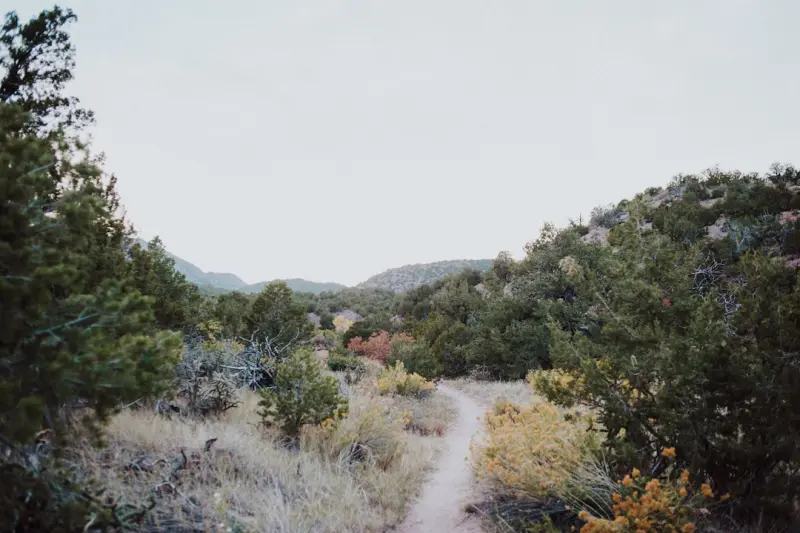
Why Microadventures Are the Next Big Thing in Outdoor Recreation
When I first swapped my commuter bike for a pair of trail shoes, I expected the change to be about mileage, gear, and maybe a new set of blisters. What I didn’t anticipate was the profound shift in how I view time, space, and even my own curiosity. The concept of a microadventure—a short, local, and low‑budget foray into the outdoors—has turned my weekends from a blur of errands into a series of intentional, joy‑filled episodes. In this post, I’ll unpack why microadventures matter, how to design them with the same care we give to our homes, and what small changes can make them feel larger than life.
The Science Behind Short‑Form Outdoor Play
Research in environmental psychology tells us that even a ten‑minute walk in a green space can lower cortisol, improve mood, and sharpen focus. The effect compounds when the experience feels novel—a new trail, a hidden viewpoint, or simply a different route home. Our brains are wired to reward discovery, and microadventures supply that dopamine hit without demanding a vacation‑style time commitment.
What’s compelling is that the brain’s response to a brief, unexpected encounter with nature mirrors the excitement of a larger expedition. That’s why you can experience the same mental health benefits of a multi‑day hike in a single afternoon, provided you frame it right.
Designing a Microadventure Like You Design a Home Sanctuary
Just as I once read Creating a Sensory‑Rich Home Sanctuary to make my living space a calming retreat, the same principles apply to the outdoors. Think of your neighborhood park, a nearby creek, or an abandoned rail line as rooms waiting to be curated. Here’s how to bring intentional design to your outdoor escapades:
- Identify a sensory focus. Choose one sense to amplify—sound (the rush of a stream), sight (a field of wildflowers), or touch (the texture of bark). By narrowing your attention, the experience feels richer.
- Set a micro‑goal. Instead of “walk for an hour,” aim for “spot three different bird species” or “collect five unique rocks.” Goals give purpose without imposing pressure.
- Use low‑tech tools. A simple compass, a reusable water bottle, or a sketchbook can replace the endless scrolling of a smartphone. The restraint creates space for mindfulness.
- Leave a trace of intention. Write a short note in your pocket journal about what you hoped to discover. Later, compare it with what actually unfolded.
Microadventures for Every Personality Type
One of the biggest misconceptions about outdoor recreation is that it only suits the rugged, extroverted “adventurer” archetype. In reality, microadventures can be tailored to introverts, neurodivergent individuals, families, and even corporate teams.
For those who process the world differently, consider reading Designing for Neurodiversity: Spaces That Think With You. The article outlines how to craft environments that reduce sensory overload. Apply those insights outdoors: choose a path with gentle terrain, bring noise‑cancelling earplugs, or pick a time of day when foot traffic is low.
Here’s a quick matrix to match microadventure styles with personality traits:
- Introverted explorers: Solo sunrise walks, silent meditation by a pond, or a solitary bike ride on a quiet trail.
- Social butterflies: Pop‑up picnics with neighbors, community clean‑up hikes, or a group scavenger hunt.
- Family‑focused adventurers: Mini “treasure hunts” in the backyard, short nature walks with a storybook twist, or building a temporary fort from fallen branches.
- Corporate teams: 30‑minute “walk‑and‑talk” meetings, after‑work nature breaks, or a quick “desk‑to‑tree” challenge to boost creativity.
Gear Up Without Going Overboard
One of the myths that keeps people from trying microadventures is the belief that you need expensive gear. In truth, the most essential items are often the most affordable:
- Footwear: A sturdy pair of trail shoes or even well‑broken‑in sneakers. The key is traction, not flash.
- Backpack: A small daypack (5–10 L) that fits water, a snack, and a basic first‑aid kit.
- Layering: Dress in breathable, moisture‑wicking layers. A light rain jacket can be a lifesaver.
- Navigation: A printed map or a simple offline map app. No need for high‑tech GPS if you’re staying local.
The goal is to minimize friction. The less you have to think about preparation, the more likely you are to act on impulse—exactly the catalyst for a successful microadventure.
Turning the Everyday into an Epic Narrative
Storytelling isn’t just for novels; it’s a powerful tool to amplify the impact of short outdoor experiences. When you frame a walk as “the quest to find the hidden waterfall” rather than “a quick jog around the block,” you engage your brain’s adventure circuitry.
Here’s a simple storytelling framework you can apply:
- Hook: Identify a curiosity—“I’ve heard there’s a hidden mural near the creek.”
- Obstacle: Recognize a minor challenge—“The path is unpaved and might be muddy after rain.”
- Resolution: Reach the goal—“I discovered the mural, took a photo, and felt a surge of accomplishment.”
Documenting the story, whether through a quick photo, a voice memo, or a short journal entry, reinforces the memory and encourages you to repeat the behavior.
Microadventures as a Community Builder
When you share a microadventure with neighbors or coworkers, it becomes a catalyst for stronger social ties. Imagine a monthly “5‑Minute Trail Club” where participants meet at a local park, share a snack, and swap discoveries. The low barrier to entry means more people feel comfortable joining, and the recurring nature builds a sense of belonging.
For organizations, this concept dovetails nicely with the rise of community‑first initiatives. A brief, inclusive outdoor activity can serve as an ice‑breaker, foster cross‑department collaboration, and even spark fresh ideas for product development. The outdoors, after all, is a natural incubator for creative thinking.
Measuring Success: The Micro‑Metrics That Matter
Unlike a marathon, microadventures don’t have a finish line you can time. Instead, success can be measured through simple, qualitative metrics:
- Frequency: How many microadventures did you complete in a month?
- Variety: Did you try a new location, activity, or sensory focus each time?
- Well‑being impact: Rate your mood before and after on a 1‑10 scale. Notice any patterns?
- Social reach: How many new people did you meet or reconnect with?
Tracking these metrics in a notebook or a spreadsheet can reveal trends and motivate you to push the boundaries of what you consider “local.”
Future‑Proofing Your Microadventure Habit
Life is unpredictable. Work schedules shift, weather changes, and responsibilities pile up. To ensure your microadventure habit survives these fluctuations, embed it into your routine:
- Schedule it. Treat a 30‑minute nature break like any other meeting—block it on your calendar.
- Keep a “ready‑to‑go” kit. Store a small backpack by the door with the essentials.
- Leverage technology sparingly. Use reminders or a habit‑tracking app, but avoid over‑complicating the experience.
- Review and adapt. At the end of each month, reflect on what worked and tweak your approach.
By turning microadventures into a habit rather than a hobby, you guarantee a steady stream of mental and physical benefits, no matter how chaotic life becomes.
Conclusion: Small Steps, Grand Horizons
Microadventures are a reminder that the world’s greatest experiences don’t always require a passport or a multi‑day commitment. They’re about intentionality—seeing the ordinary through a lens of curiosity, designing each outing with the care of a home sanctuary, and allowing the environment to shape your narrative. Whether you’re a solo wanderer, a neurodivergent explorer, or a corporate team seeking fresh ideas, the microadventure framework offers a flexible, inclusive path to deeper connection with nature and yourself.
Next time you hear a distant bird call or notice a new graffiti mural, ask yourself: What small adventure can I create right now? The answer is often just a few steps away.

Tyler Johnson is a seasoned freelance writer with a keen eye for detail and a passion for crafting compelling narratives. His years of experience have honed his ability to adapt his style to suit diverse client needs and project requirements.
Related Posts
Forest Bathing for the Overworked: A Modern Guide to Reconnecting with Nature
A practical guide for busy professionals on how to integrate forest bathing into daily life, coverin... Read More
Trailblazing Trends: How Outdoor Recreation Fuels Sustainable Living
Discover how mindful hiking, eco‑friendly camping, and seasonal adventures can transform your heal... Read More
Embracing Sustainable Adventure: The New Wave of Outdoor Recreation
Discover the rising trend of purpose‑driven outdoor adventures, where sustainable gear, community ... Read More
Top Posts
How Sustainable Finance Is Redefining Personal Wealth
Explore the rise of sustainable finance, from green bonds to climate‑focused retirement planning, and learn actionable steps to align your wealth with a green...Read More

Digital Twins: Reinventing Business Resilience in the Age of Data
Digital twins are emerging as a core capability for modern enterprises, offering live, data‑driven models that enable predictive insights, risk reduction, and...Read More

Unboxing the Future: How Toy Subscription Boxes Reinvent Play for Modern Families
Toy subscription boxes are reshaping how families discover play, delivering hand‑picked, age‑appropriate treasures each month that spark imagination, cut sh...Read More

The Future of Technology: How Sustainable Software Development is Revolutionizing the Industry
Sustainable software development is revolutionizing the industry by prioritizing energy efficiency, reducing waste, and promoting eco-friendly practices. Learn ...Read More
0 Comments
Post Comment
You will need to Login or Register to comment on this post!