
Why Forest Bathing Isn’t Just a Trend—It’s a Necessity
When I first heard the Japanese term shinrin‑yoku—literally “forest bathing”—I imagined a lazy afternoon in a park, maybe a blanket and a good book. What I discovered was a practice so profoundly simple yet so deeply transformative that it feels like a secret weapon for anyone chained to a screen. As someone who spends half the week troubleshooting SaaS integrations and the other half navigating muddy trails, I’ve learned that the forest isn’t a luxury; it’s a prescription.
The Science Behind the Sweat‑Free Reset
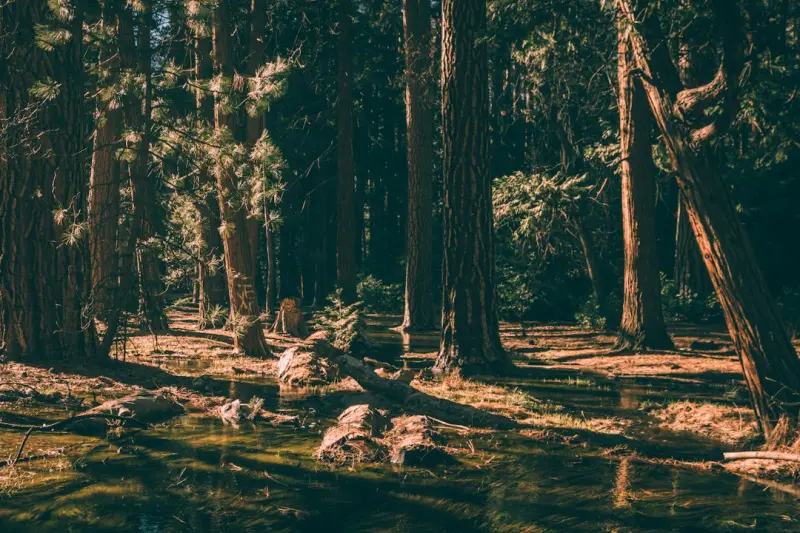
Numerous studies from universities across the globe show that immersing yourself in a forest environment can lower cortisol, reduce blood pressure, and even boost natural killer cell activity. The magic isn’t in the trees themselves but in the multisensory experience they provide: the rustle of leaves, the earthy scent of pine, the dappled sunlight filtering through the canopy. When you engage all five senses, you force the brain out of its default digital autopilot and into a state of mindful presence.
- Visual calm: Soft, green hues trigger the parasympathetic nervous system.
- Auditory rhythm: Birdsong and wind create a natural white noise that drowns out notification pings.
- Olfactory reset: Phytoncides—organic compounds released by trees—have antimicrobial properties that benefit the immune system.
- Tactile grounding: Touching bark or moss grounds you physically and metaphorically.
- Kinesthetic flow: Walking without a set route encourages a meditative gait, aligning breath with step.
From Boardroom to Backwoods: Making Forest Bathing Work for a Busy Schedule
One of the biggest myths is that you need a multi‑day retreat to reap benefits. The truth is, even a 15‑minute stroll through a local stand‑alone grove can reset your nervous system. Here’s a simple framework I use, which I call the “Three‑Step Reset”:
- Detach: Turn off all notifications. Put your phone on “Do Not Disturb” and leave it in your bag.
- Enter: Walk slowly into the forest, allowing your senses to take the lead. Notice the texture of the soil under your shoes, the temperature of the air against your skin.
- Absorb: Find a spot to pause—maybe a fallen log or a clearings’ edge. Breathe deeply, inhaling the scent of pine, exhaling any lingering stress.
This routine can be repeated three times a week, and the cumulative effect compounds, much like consistent blogging does for a growth engine (Why Consistent Blogging Is Your Secret Growth Engine), but for your nervous system.
Choosing the Right Forest for Your First Session
Not all green spaces are created equal. While city parks provide a convenient entry point, I recommend seeking out mixed‑species forests—areas where deciduous and coniferous trees intermingle. The diversity in foliage creates a richer palette of scents and sounds, enhancing the therapeutic effect. If you’re near a water source, a gentle stream adds an extra layer of auditory soothing.
Gear Up—But Keep It Light
Unlike a back‑country trek, forest bathing calls for minimal gear. A sturdy pair of walking shoes, breathable layers, and a reusable water bottle are enough. If you love tech, consider a simple fitness tracker to monitor heart rate variability (HRV). A rising body of data suggests that HRV spikes during forest immersion, confirming the physiological shift toward relaxation.
Resist the temptation to over‑equip. The micro‑adventures movement teaches us that the best experiences often come from constraints. A lightweight approach forces you to focus on the environment, not the equipment.
Integrating Forest Bathing Into Corporate Culture
Many forward‑thinking companies are already turning outdoor immersion into a competitive advantage. By offering quarterly “nature days,” they reduce burnout and spark creativity. Here’s a quick outline for leaders who want to pilot a program:
- Secure a nearby forest parcel or partner with a conservation nonprofit.
- Schedule short, recurring sessions—15 minutes per employee, twice a month.
- Track outcomes using anonymous surveys on stress levels, focus, and overall satisfaction.
- Celebrate the data in team meetings, reinforcing the link between wellbeing and performance.
When you tie the practice to measurable metrics, you create a virtuous loop that mirrors the logic of employee advocacy in driving brand growth.
Seasonal Strategies: Adapting Your Practice Year‑Round
Each season offers a distinct flavor of forest bathing:
Spring
The forest awakens with new leaves and blossoms. Focus on the visual transformation—watch buds unfurl and notice the subtle changes in light.
Summer
Longer daylight means extended sessions. Early mornings or late afternoons reduce heat, and the chorus of insects creates a rhythmic backdrop.
Autumn
Leaves turning amber provide a visual feast. The crisp air is perfect for deep breathing exercises, as the temperature naturally encourages more deliberate inhalations.
Winter
Snow‑covered forests amplify silence. The crunch underfoot becomes a meditative metronome, and the cold invigorates circulation.
Combining Forest Bathing With Other Outdoor Practices
Forest bathing doesn’t have to stand alone. Pair it with low‑impact activities like stand‑up paddleboarding on a calm lake, or birdwatching to add a layer of curiosity. The key is to keep the focus on presence rather than performance. Unlike a high‑intensity trail run that spikes adrenaline, forest bathing keeps you in a steady state of calm, making it an excellent complement to more vigorous workouts.
The Environmental Bonus: Giving Back While You Reset
Every time you step onto a trail, you have an opportunity to practice stewardship. Simple actions—collecting litter, planting native seedlings, or participating in citizen science projects—turn a personal wellness routine into a tangible contribution to the ecosystem. This alignment of personal health with planetary health mirrors the ethos of sustainable living trends we’ve discussed in other posts, such as Greening Your Cleaning Routine.
Common Pitfalls and How to Avoid Them
Even the most enthusiastic beginners can trip up:
- Over‑planning: Trying to schedule a “perfect” session with a checklist of activities defeats the purpose of spontaneous immersion.
- Screen temptation: Resist the urge to document every moment. The experience is personal; photos can be taken later if needed.
- Ignoring weather: Dress appropriately. A sudden rainstorm can be refreshing, but being underdressed can ruin the experience.
- Skipping the pause: The most valuable part is the stillness. Don’t rush back to your car; linger a few extra minutes.
My Personal Story: From Exhausted Engineer to Forest Enthusiast
Three years ago, I was on the brink of burnout. My calendar was a mosaic of client calls, sprint reviews, and late‑night code commits. I started with a single 15‑minute walk in a nearby oak stand during lunch. The first time, I felt a strange mixture of guilt and peace—guilt for “wasting” work time, peace from the immediate drop in tension.
Gradually, I extended those walks, added a journal to capture sensory details, and began sharing the practice with my team. Within six months, our project velocity improved, and employee turnover dropped. The forest became my unofficial office, and the lessons I learned there—patience, listening, adaptability—translated directly to my professional life.
Conclusion: Make the Forest Your Daily Ally
In a world where digital noise is constant, the forest offers a natural antidote that requires no subscription, no download, and no Wi‑Fi. By carving out just a few minutes each week, you can harness the physiological and psychological benefits that research and centuries of tradition attest to. So, the next time your inbox pings, consider stepping outside instead. Let the trees be your co‑workers, the wind your brainstorming partner, and the ground beneath your feet a reminder that growth, both personal and professional, often starts from a place of stillness.

Robert Mathews is a professional content marketer and freelancer for many SEO agencies. In his spare time he likes to play video games, get outdoors and enjoy time with his family and friends . Read more about Robert Mathews here:
Related Posts
Beyond the Trailhead: Embracing Microadventures in a Connected World
Microadventures turn everyday moments into powerful outdoor experiences. Learn how to design, gear u... Read More
Microadventures: Turning Weekends into Wild Escapes
Microadventures are short, intentional outdoor trips that fit into busy schedules, offering mental r... Read More
Microadventures: Reimagining the Everyday Landscape for Outdoor Play
Microadventures turn everyday spaces into epic outdoor playgrounds. Learn how to design, track, and ... Read More
Top Posts
Cultivating a City‑Scale Sensory Garden: A Personal Journey
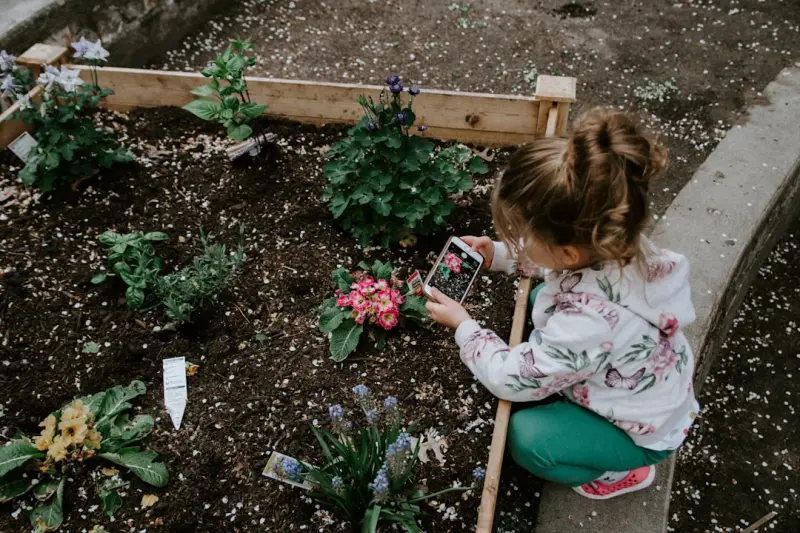
A personal account of transforming a small urban balcony into a layered sensory garden, blending analog intimacy with subtle tech, and fostering a community of ...Read More

The Power of Eco-Cleaning: A Sustainable Approach to a Healthier Home
Learn how to make the switch to eco-cleaning and create a healthier, more sustainable home. Discover the benefits of eco-friendly cleaning products and practice...Read More
How to Future‑Proof Your Blog in 2026: Sustainable Strategies for Growth
Learn how to blend eco‑friendly tech, AI‑driven SEO, and ethical monetization to future‑proof your blog in 2026, creating lasting impact and growth....Read More

Data Cooperatives: Reclaiming Power and Privacy for the Digital Age
Data cooperatives offer a fresh way to turn personal data into a shared asset, ensuring privacy, fair profit distribution, and community empowerment in the digi...Read More
0 Comments
Post Comment
You will need to Login or Register to comment on this post!