

Micro‑Adventures for Babies: Turning Everyday Moments into Early Learning
When I first held my newborn, I was overwhelmed by a flood of advice—everything from “talk to your baby” to “create a sensor‑rich nursery.” It felt like a checklist that never ended. Over the years, I discovered that the most powerful lessons don’t come from high‑tech gadgets or expensive toys; they emerge from the ordinary, the tactile, and the slightly messy moments we share with our tiny explorers. This post is a love letter to those micro‑adventures that transform a simple stroll, a backyard crawl, or a bath‑time splash into a foundation for curiosity, confidence, and compassion.
1. The Backyard Becomes a Living Classroom
Most parents think of the backyard as a place for a quick breath of fresh air. I see it as a living laboratory where soil, sunlight, and wind become the first teachers. Here’s how to turn a routine outdoor play session into a discovery expedition:
- Texture Trail: Lay out a line of natural materials—soft moss, smooth stones, crunchy leaves, and damp sand. Let your toddler walk barefoot. Each step is a sensory data point that builds neural pathways for spatial awareness.
- Mini Weather Station: Keep a simple chart with icons for sunny, cloudy, windy, and rainy. Each time you step outside, point to the current condition and say, “Today it’s windy, feel how the leaves dance!” This early weather vocabulary lays the groundwork for scientific observation.
- Bug Safari: Provide a small, child‑sized magnifying glass. Spot a ladybug together, then ask, “What colors do you see?” Encourage gentle handling and prompt your child to notice patterns—an early lesson in biology and empathy for living things.
These activities are low‑cost, low‑tech, and high‑impact. They also create a shared narrative that you can revisit later, reinforcing memory through story‑telling.
2. Sensory Play as a Language for Tiny Minds
Babies learn language not just through words but through a rich tapestry of textures, smells, and sounds. When I introduced a “sensory bin” filled with dry pasta, shredded paper, and a few scented pine cones, my child began to associate the crinkling of paper with “soft” and the aroma of pine with “outside.” Below are three sensory play ideas that double as early communication tools:
- Sound Boxes: Fill shallow containers with different objects—rice, beans, metal beads. Shake each box and name the sound: “Rattle, rattle,” “Clink, clink.” Over time, your toddler will use these onomatopoeic cues to describe their environment.
- Flavor Exploration (for older toddlers): Offer tiny, safe bites of sweet (banana), sour (apple), and bland (plain rice cereal). Pair each taste with a facial expression—smile for sweet, surprise for sour. This builds emotional vocabulary linked to sensory experiences.
- Texture Boards: Glue swatches of velvet, felt, foil, and rubber onto a sturdy board. Guide your child’s hand across each surface and name it: “Smooth,” “Bumpy.” These adjectives become building blocks for later descriptive language.
The magic happens when you repeat the naming consistently. Your child will start using those words on their own, turning sensory play into a spoken dialogue.
3. Tech‑Lite Safety: Smart Sensors Without Over‑Automation
Modern nurseries are often marketed as “smart” with Wi‑Fi‑connected monitors, temperature‑sensing mattresses, and voice‑activated lights. While many of these tools can add genuine peace of mind, the key is to adopt them without surrendering the tactile, human connection that babies need.
Consider installing a smart motion sensor at the top of the stairs. Instead of relying on a constant stream of alerts, set it to a gentle chime that only sounds when your child reaches a new level. The sound becomes a cue for you to engage, “Look, you’re climbing! Let’s hold hands.” This balances safety with interactive supervision.
Another subtle integration is a humidity sensor that links to a small, battery‑free nightlight. When the nursery gets too dry, the light glows softly, reminding you to add a humidifier. It’s a silent prompt that doesn’t intrude on the calm atmosphere you’ve cultivated.
Remember, technology should amplify your presence, not replace it. Use sensors as low‑key reminders, and keep the primary safety net in your own eyes and ears.
4. Eco‑Conscious Parenting: Cleaning, Toys, and the Little Ones
Every parent wants a spotless home, but the chemicals in many cleaning products can be harsh on delicate skin and developing lungs. The good news is that you can maintain a tidy nursery with simple, eco‑friendly swaps that also teach your child about stewardship.
One of my favorite routines is a “clean‑as‑you‑go” song that we sing while wiping surfaces with a solution of water, white vinegar, and a few drops of lavender essential oil. This blend is safe for most fabrics and leaves a fresh scent without synthetic fragrances. For tougher grime, a paste of baking soda and water does the trick—just apply, scrub gently, and rinse.
When it comes to toys, look for items made from sustainably sourced wood, organic cotton, or recycled plastics. You can also repurpose household objects: an old cardboard box becomes a “treasure chest,” a set of wooden spoons transforms into a musical xylophone. By involving your toddler in the repurposing process, you model creativity and environmental responsibility.
For a deeper dive into green cleaning practices, check out eco‑friendly cleaning hacks for nurseries. The article offers a step‑by‑step guide that aligns perfectly with a baby‑safe home.
5. Turning Car Trips into Mini Experiments
Long drives are often labeled “boring” for toddlers, but they can become rolling laboratories. By packing a few simple, travel‑friendly tools, you can spark curiosity without the need for a full‑blown science kit.
Here’s a quick starter kit you can keep in the glove compartment:
- A small magnifying glass for inspecting leaves or road signs.
- Colorful stickers shaped like clouds, raindrops, and suns to label the weather outside.
- A reusable silicone mat with printed numbers and shapes for quick pattern games.
As you drive, point out a passing cloud formation and say, “Look at that fluffy ‘cumulus’ cloud—what shape does it make?” Encourage your toddler to match the sticker on the mat. This turns a passive ride into an active learning session.
Need more ideas? The post turning car trips into mini experiments provides a treasure trove of on‑the‑go activities that keep tiny minds engaged.
6. Putting It All Together: A Day‑Long Adventure Blueprint
Below is a sample schedule that blends the concepts discussed, creating a day that feels both adventurous and nurturing:
- Morning (7:30‑9:00): Wake‑up song, diaper change, and a brief “texture walk” in the living room with a soft blanket, a rubber ball, and a wooden block.
- Mid‑Morning (9:30‑10:30): Outdoor backyard session: texture trail, bug safari, and weather chart.
- Late Morning (11:00‑11:30): Snack time featuring banana slices and a tiny piece of cheese—use the flavors to practice descriptive words.
- Afternoon (12:30‑13:30): Nap with a gentle humidity‑aware nightlight.
- Early Evening (14:00‑15:00): Sensory bin play with dry pasta, pine cones, and a sound box. Encourage naming of textures and sounds.
- Evening (16:30‑17:30): Car ride to a local park, using the mini experiment kit to observe clouds and leaf patterns.
- Dinner & Bedtime (18:00‑19:30): Eco‑friendly cleaning routine with a sing‑along, followed by a bedtime story about a curious squirrel exploring the forest.
This framework isn’t rigid; feel free to swap activities based on your child’s interests and your family’s rhythm. The goal is to embed learning moments seamlessly into everyday life, turning mundane routines into micro‑adventures that nurture a love for discovery.
7. A Final Thought: The Power of Presence
All the sensors, sensory bins, and backyard expeditions are tools—amazing ones, but still tools. The most profound influence you can have on your baby or toddler is simply being present, narrating the world with wonder, and responding to their cues with warmth. When you model curiosity, they’ll mirror it. When you model compassion, they’ll internalize it. And when you model responsibility—whether through safe tech use or eco‑conscious habits—they’ll inherit a legacy that stretches far beyond the nursery walls.
So the next time you’re tempted to reach for the newest gadget, pause and ask, “How can I turn this moment into a shared story?” You’ll find that the most trending, buzzworthy content for babies isn’t a headline—it’s the everyday adventure you create together.

Sanji Patel has dedicated 25 years to the SEO industry. As an expert SEO consultant for news publishers, he emphasizes providing both technical and editorial SEO services to news publishers worldwide. He frequently speaks at conferences and events globally and offers annual guest lectures at local universities.
Related Posts
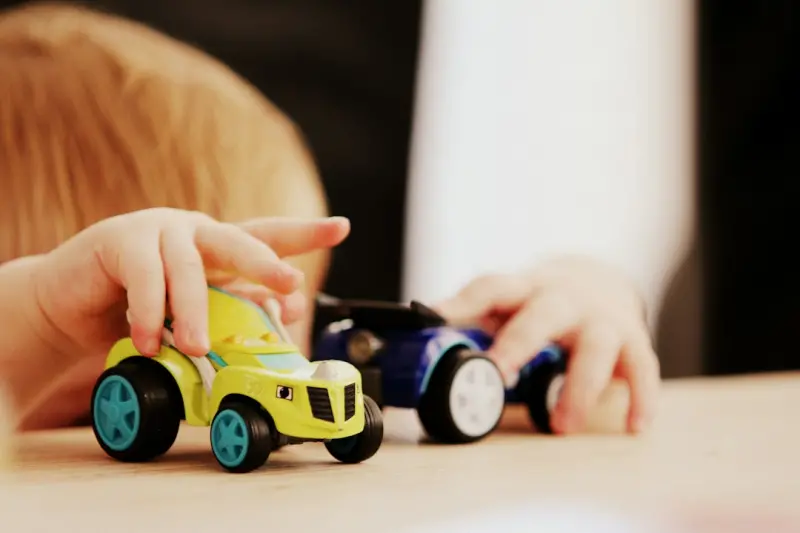
Smart Parenting: How Data‑Driven Toys and Tools Are Shaping Early Childhood
A deep dive into the latest intelligent tools for babies and toddlers—smart sleep monitors, AI‑p... Read More
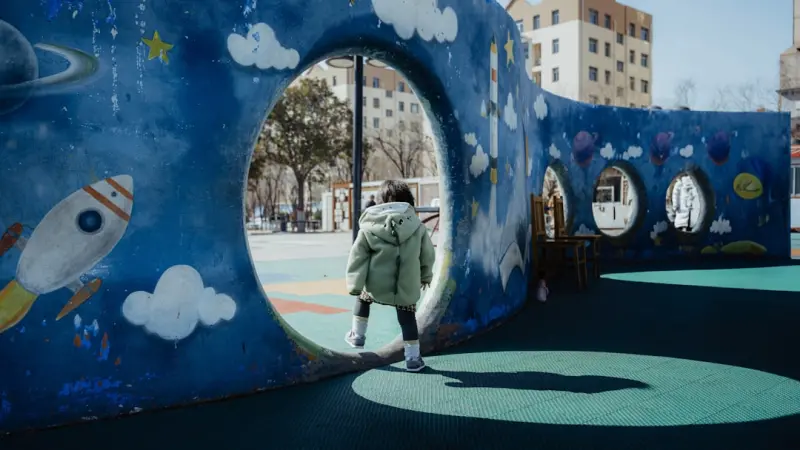
Designing a Baby‑Friendly Play Space That Grows With Them
A step‑by‑step guide to building a safe, sensory‑rich play environment that adapts from newbor... Read More
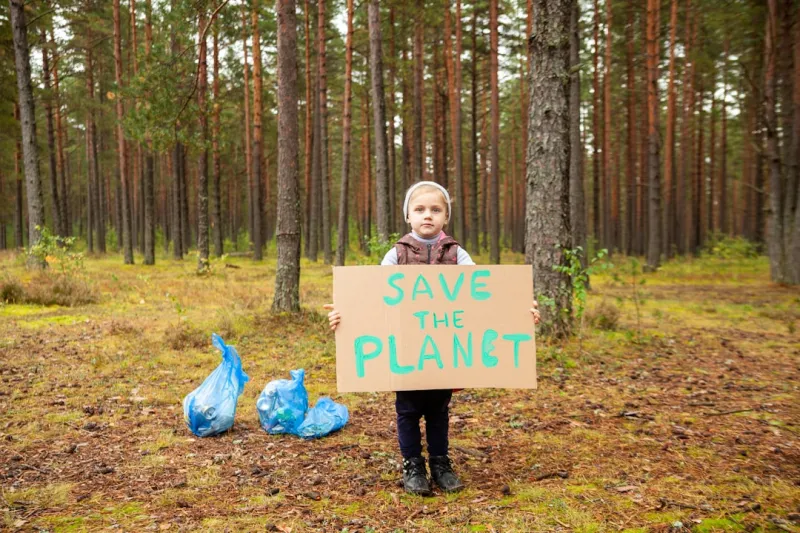
Raising Tiny Earth Guardians: A Sustainable Parenting Blueprint
A heartfelt guide on sustainable parenting, offering actionable tips for eco‑friendly baby gear, g... Read More
Top Posts

Pop‑Up Adventures: Turning City Spaces into Instant Outdoor Playgrounds
A fresh look at how pop‑up adventures convert vacant urban lots into vibrant outdoor playgrounds, fostering health, community, and economic growth....Read More

Modular Laptops: The Sustainable Upgrade Path Professionals Need
Modular laptops let companies swap out memory, storage, and batteries instead of replacing whole machines, delivering cost savings, reduced e‑waste, and adapt...Read More
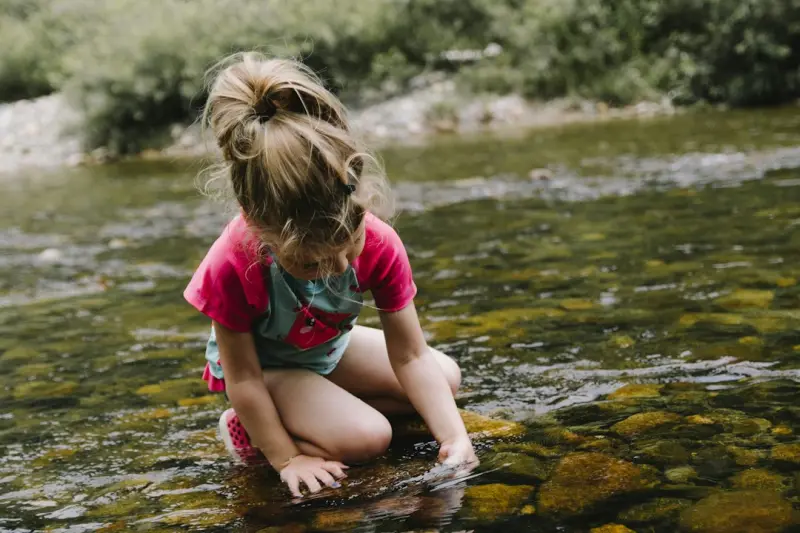
The Unplugged Adventure: Raising Kids Who Thrive Off‑Screen
A fresh look at parenting in the digital age, offering actionable steps to balance screen time with unstructured play, redesign home spaces, and nurture lifelon...Read More

SEO Strategies for AI‑First Content
In an era where AI generates content at scale, this post outlines a human‑AI collaborative workflow, data hygiene checklist, and modern metrics to future‑pr...Read More
0 Comments
Post Comment
You will need to Login or Register to comment on this post!