
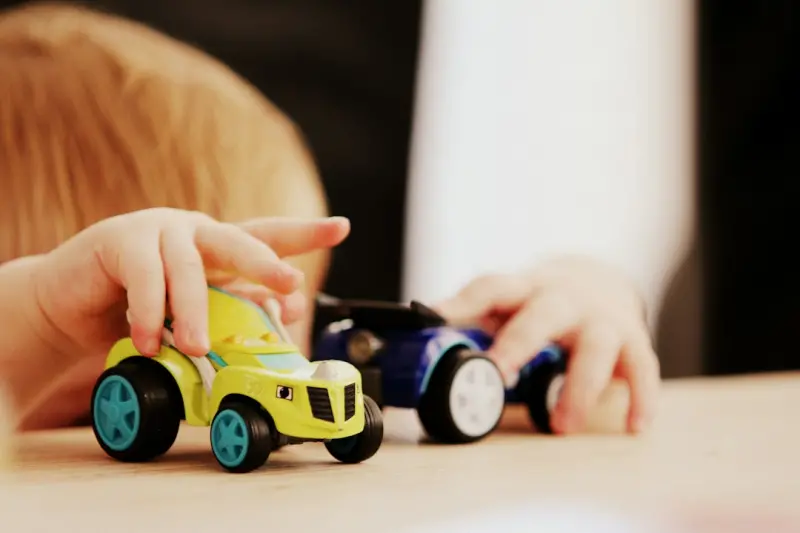
When my son was a newborn, the nursery smelled of fresh cotton and the soft hum of a white‑noise machine. Fast‑forward a few years, and that same space is now a miniature tech hub—full of interactive plush toys, a smartwatch‑style monitor that tracks his breaths, and a tablet that reads bedtime stories with a voice that sounds almost human. As a parent, I’ve watched the rapid evolution of baby gear turn from simple, sturdy basics into sophisticated, data‑rich companions. In this post, I’m pulling back the curtain on the latest wave of intelligent tools that are reshaping early childhood experiences, and I’m sharing how to navigate the noisy marketplace without losing sight of what truly matters: a loving, present connection with our little ones.
Why the Landscape Is Shifting
For generations, parents have leaned on intuition, generational wisdom, and the occasional advice column to make decisions about sleep schedules, nutrition, and play. Today, those choices are increasingly informed by algorithms, biometric feedback, and community‑driven data platforms. The drivers are simple but powerful:
- Advances in sensor technology. Tiny, low‑cost chips can now monitor temperature, heart rate, and even facial expressions with a level of precision that was once the realm of medical equipment.
- Cloud‑based analytics. Data collected from a single device can be aggregated, compared, and visualized in real time, offering parents actionable insights that feel both personal and scientific.
- Growing demand for convenience. Busy families value tools that streamline routine tasks—from a diaper‑alert that syncs with a phone to a smart bottle that logs feeding times automatically.
The result is an ecosystem that promises to make parenting a little less guesswork‑laden and a lot more data‑rich. But with great promise comes great responsibility.
Smart Sleep Solutions: Beyond the Classic White Noise
Sleep has always been the holy grail for parents of infants and toddlers. The market responded early with white‑noise machines and blackout curtains, but now tech‑savvy sleep blueprints are emerging that combine ambient sounds, light therapy, and biometric monitoring.
Take a look at a popular sleep‑tracker mattress pad. It gently records your child’s movements, breathing patterns, and even subtle restlessness. The data syncs to an app that visualizes sleep cycles, offering insights such as “Your baby spends the most time in deep sleep after a feed at 6 p.m.” Armed with that information, parents can adjust feeding times or room temperature to encourage smoother transitions between sleep stages.
But be careful: while the data is fascinating, it’s not a substitute for a pediatrician’s advice. Use these devices as a complementary tool, not a definitive diagnosis engine.
The Rise of Interactive Storytelling
Storytime used to be a simple ritual: a book, a soft voice, and a cozy blanket. Now, interactive storytellers blend physical books with augmented reality (AR) overlays and voice‑recognition technology. A child can point a tablet at a page, and a three‑dimensional animation bursts to life, inviting the child to “talk” to characters and make choices that influence the narrative.
From a developmental standpoint, this approach taps into the growing body of research that underscores the benefits of active learning. Children who engage in dialogue with a story—whether with a parent or a digital companion—show higher levels of language acquisition and memory retention. Moreover, these platforms often adapt the difficulty of vocabulary and plot complexity in response to a child’s age and measured reading level, creating a personalized literary experience.
When integrating such technology, I recommend setting clear boundaries: designate specific times for digital story sessions, and keep the physical book as a tactile anchor so your child still experiences the texture and weight of a traditional story.
Data‑Driven Feeding: Smart Bottles and Nutrition Apps
Feeding a baby is a choreography of timing, quantity, and nutrition. Smart bottles have entered the market with built‑in flow sensors that detect how fast a child is drinking, sending alerts if the flow is too fast (a common cause of choking) or too slow (potentially indicating a latch issue). The companion app logs each feeding, tracks caloric intake, and even suggests ideal intervals based on the baby’s weight gain trends.
For toddlers transitioning to solid foods, nutrition apps now allow parents to photograph meals and receive a macro‑ and micronutrient breakdown. Some platforms even generate grocery lists based on nutritional gaps, ensuring a balanced diet without the guesswork.
Again, the key is balance. While these tools offer valuable data, they should not replace the nurturing aspect of feeding—eye contact, a gentle voice, and the simple pleasure of sharing a meal together remain the cornerstone of healthy development.
Playful AI: When Toys Learn to Grow With Your Child
Imagine a plush rabbit that can recognize your child’s name, respond to a hug with a comforting phrase, and adapt its vocabulary as your toddler’s language skills expand. This isn’t a futuristic concept; it’s happening now thanks to AI models that can be embedded into small, battery‑friendly devices.
These “learning toys” work by storing a baseline set of responses and then updating their language model via periodic firmware updates. The result is a toy that starts with simple greetings and evolves into a companion that can answer basic “why” questions, tell age‑appropriate jokes, or even guide a child through a simple science experiment.
Parents should keep a few best practices in mind:
- Privacy first. Verify that the manufacturer uses end‑to‑end encryption and offers clear data‑deletion options.
- Screen‑time limits. Even the smartest toy should be part of a balanced play diet that includes non‑digital, sensory-rich experiences.
- Parental involvement. Join in the interaction. When the rabbit asks, “What’s your favorite animal?” pause, listen, and expand the conversation.
Community‑Powered Parenting: The Power of Peer Data
One of the less flashy, but arguably most impactful, trends is the rise of community‑driven platforms that let parents share anonymized data about sleep patterns, feeding logs, and developmental milestones. By aggregating thousands of data points, these platforms can surface trends that no single family could see on its own.
For example, a community may discover that a particular brand of formula correlates with a shorter night‑time awakening period for infants under three months. Such insights can help parents make more informed choices without needing a scientific study for each product.
If you’re curious about how this works, take a look at personal AI co‑pilot concepts that are being adapted for parental decision‑making. By treating your smartphone as a hub that synthesizes both your personal data and the broader community’s findings, you get a richer, context‑aware advisory system.
Finding the Sweet Spot: Tech as a Support, Not a Substitute
All of the gadgets and platforms I’ve mentioned share a common thread: they aim to reduce the friction in everyday parenting tasks. But the true measure of success isn’t how many notifications you receive; it’s whether the technology deepens the bond you have with your child.
Here are my guiding principles for integrating smart tools into a family routine:
- Start with a problem, not a product. Identify a specific challenge—like erratic sleep or difficulty tracking feeds—before you search for a gadget. This keeps the focus on outcomes, not hype.
- Set clear usage limits. Decide how many minutes per day a device is allowed, and be consistent. This prevents the tech from hijacking playtime.
- Prioritize data ownership. Choose products that give you control over your information, including easy export and deletion options.
- Keep the human element front and center. Use alerts as prompts, not replacements for your intuition. When a monitor beeps, ask yourself: “What does my baby need right now?” and then respond in your own voice.
Looking Ahead: The Future of Baby Tech
In the next few years, we can expect three major shifts:
- Seamless ecosystem integration. Devices will talk to each other—your smart diaper sensor could inform the sleep tracker, which in turn adjusts the ambient lighting in the nursery.
- Greater emphasis on sustainability. As parents become more eco‑conscious, manufacturers will focus on recyclable components and energy‑efficient designs, mirroring trends we see in other consumer tech sectors.
- AI‑guided developmental insights. By combining biometric data with validated developmental milestones, future platforms could offer real‑time guidance on when to introduce new skills or when a referral to a specialist might be wise.
These advances are exciting, but they also call for a measured approach. The best tech will always be the one that quietly supports the love, patience, and curiosity you bring to the parenting journey.
Whether you’re a first‑time parent grappling with the sheer amount of choices, or a seasoned caregiver looking to upgrade your routine, remember that the most valuable data you have is the one you collect through daily interaction—your child’s smile, a quiet sigh, the way they reach for your hand. Let the gadgets be a helpful chorus, not the lead singer.

Steph Sanderson is a Toronto-based freelance writer and content creator with a clear passion: crafting compelling articles. With a dedication to clear, engaging prose and a knack for storytelling, Steph brings a wealth of experience to every project.
Related Posts

Sustainable Diapering: How to Cut Waste While Keeping Baby Comfortable
A deep dive into sustainable diapering options, from cloth and hybrid systems to biodegradable dispo... Read More

Smart Baby Gear: Data‑Driven Parenting Made Simple
Explore how modern smart baby devices can provide actionable insights—like temperature alerts and ... Read More

Eco‑Friendly Parenting: How I Raise a Green Baby and Toddler
Laura Wilson shares heartfelt, sustainable parenting strategies—from cloth diapers to low‑impact... Read More
Top Posts

Guarding Little Explorers: Unseen Threats in a Connected Home
Smart homes offer convenience, but they also create invisible data pathways that can expose children to privacy and safety risks. This guide reveals those hidde...Read More

Gaming the Green Wave: Why Sustainability Is the New Power‑Up
From energy‑saving rigs to green‑first game design, dive into the trends that are turning sustainability into gaming’s newest power‑up....Read More

Cybersecurity in 2024: Balancing AI, Remote Work, and Sustainable Practices
Jimmy Anand breaks down 2024’s security challenges, blending AI insights, remote‑work safeguards, and sustainable practices into a forward‑thinking strate...Read More

The Future of Energy: How Technology is Revolutionizing Sustainability
The energy sector is undergoing a significant transformation, driven by innovations in renewable energy, energy storage, and smart grid management. Learn about ...Read More
0 Comments
Post Comment
You will need to Login or Register to comment on this post!