
Why Sustainable Diapering Is the Next Big Leap for Modern Parents
When I first held my newborn, the overwhelming rush of love was instantly tangled with a flood of decisions—how often to feed, when to change, and, surprisingly, which diaper to choose. In the chaos of midnight diaper changes, most parents focus on the immediate comfort of their baby, but a quieter, long‑term consideration often gets sidelined: the environmental impact of our diaper choices.
Today, sustainability is no longer a niche conversation limited to eco‑warriors. It’s seeping into every facet of life, from the food we eat to the gadgets we use. Yet, when it comes to baby care, many still default to the convenience of disposable diapers without fully weighing the hidden costs. In this post, I’ll walk you through the why, the what, and the how of sustainable diapering, drawing on personal experiences, emerging research, and practical tips you can apply right away.
The Hidden Footprint of Disposable Diapers
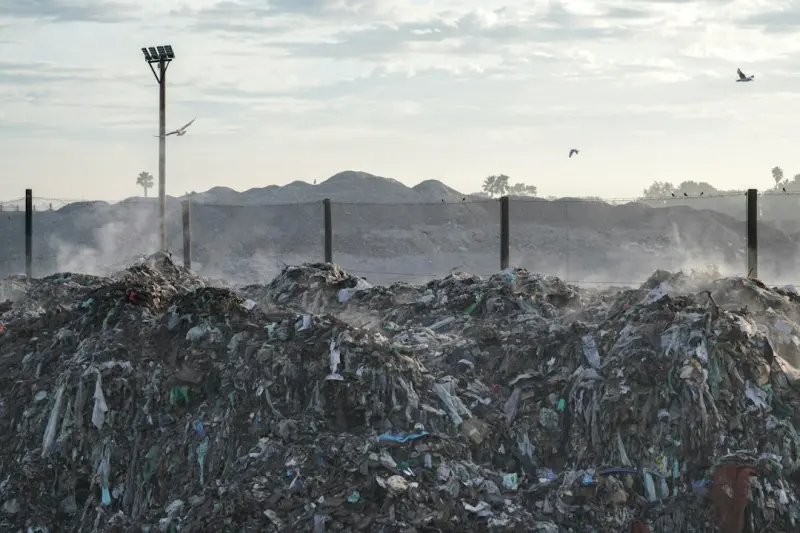
Disposable diapers are engineered for absorbency, leak protection, and softness. To achieve these qualities, manufacturers blend wood pulp, super‑absorbent polymers (SAP), plastic films, and adhesives. While each component serves a purpose, the sum total creates a product that is notoriously difficult to break down. According to the latest life‑cycle analyses, a single baby can use between 2,500 and 3,000 diapers in the first two years—equivalent to the weight of a small car in landfill waste.
Beyond the sheer volume, the production process demands massive amounts of water, energy, and timber. The SAP, typically derived from petroleum, releases greenhouse gases during manufacturing. Moreover, the plastic backsheet and elastic components can leach microplastics into soil and waterways as they decompose, contributing to long‑term ecological disruption.
What “Sustainable Diapering” Really Means
The term “sustainable diapering” encompasses three primary pathways:
- Reusable Cloth Diapers: Traditional cotton or bamboo cloth diapers, now upgraded with modern snap closures, waterproof liners, and antimicrobial treatments.
- Hybrid Diapers: A blend of reusable and disposable components—usually a reusable outer shell paired with a biodegradable insert.
- Biodegradable Disposables: Single‑use diapers made from plant‑based fibers, bio‑based SAPs, and compostable films. While they still generate waste, they break down far more quickly under the right conditions.
Each option carries its own set of trade‑offs, ranging from upfront cost and convenience to environmental impact and baby skin health. The key is to align your choice with your family’s values, lifestyle, and budget.
From My Crib to the Compost: A Personal Journey
My first foray into sustainable diapering started out of curiosity—and a dash of guilt. After reading an eye‑opening article on diaper waste, I decided to test a set of modern bamboo cloth diapers for three months. The experience was a rollercoaster of learning curves:
- Initial Investment: The starter kit cost roughly $200, a figure that felt steep compared to a box of disposables. However, the long‑term savings quickly became evident—by month three, I’d already saved the equivalent of two disposable boxes.
- Cleaning Logistics: Early on, I struggled with odor and staining. The turning point came when I adopted a simple routine: a quick pre‑rinse, followed by a cold‑water wash with a biodegradable detergent, then a high‑heat tumble dry. This not only kept the diapers fresh but also extended their lifespan.
- Baby’s Skin Reaction: My son’s skin remained supple and rash‑free. In fact, the natural fibers seemed to reduce irritation compared to the synthetic liners in disposables.
After the trial period, I transitioned to a hybrid system for night‑time use, pairing a reusable shell with a biodegradable insert that I could toss into a compost bin after a week. This hybrid approach gave me the convenience of a single change at night while retaining the eco‑benefits of a reusable day‑time solution.
Practical Tips for Parents Ready to Make the Switch
If you’re intrigued but unsure where to begin, here are actionable steps to ease the transition:
- Start Small: Purchase a starter pack of 6–8 cloth or hybrid diapers instead of a full set. This reduces initial expense and lets you gauge how well the system fits your routine.
- Choose Materials Wisely: Bamboo and organic cotton are popular for their softness and natural antimicrobial properties. Look for certifications like GOTS (Global Organic Textile Standard) to ensure ethical sourcing.
- Invest in a Dedicated Diaper Pail: A well‑ventilated, odor‑controlling pail simplifies storage between washes, especially if you don’t have a separate laundry basket for baby items.
- Leverage Local Resources: Some communities offer diaper recycling programs that accept biodegradable disposables. Check municipal guidelines or search online for “diaper composting near me.”
- Educate Your Support Network: Grandparents and caregivers may be accustomed to disposables. Share your routine, provide extra sets, and offer a quick guide to avoid confusion during visits.
Balancing Sustainability with Convenience: The Hybrid Sweet Spot
One of the biggest hurdles for new parents is the “time‑cost” factor. While cloth diapers excel in sustainability, they demand a laundry routine that can feel overwhelming during the early months. Hybrid diapers bridge this gap by offering a reusable outer shell—often waterproof and machine‑washable—paired with an insert that’s either biodegradable or made from a thin layer of super‑absorbent material that can be flushed or composted.
Hybrid systems also provide flexibility for travel. A single hybrid diaper can double as a backup for both day and night, reducing the need to pack multiple diaper types. Many brands now market travel‑friendly kits that include a compact wet‑bag for storing used inserts until you can dispose of them responsibly.
Understanding the Real Impact: Numbers That Matter
Let’s break down the potential environmental savings when switching from disposables to a mixed sustainable approach:
| Metric | Disposable Only | Hybrid + Cloth (3‑Year Span) |
|---|---|---|
| Number of Diapers Used | ≈2,500 | ≈900 (cloth) + 600 (hybrid inserts) |
| Landfill Weight | ≈45 kg | ≈8 kg (cloth) + 2 kg (hybrid waste) |
| CO₂ Emissions | ≈300 kg | ≈90 kg |
| Water Consumption | ≈2,000 L | ≈800 L (laundry) + 200 L (manufacturing) |
These figures illustrate a dramatic reduction—up to a 70 % cut in waste and emissions—when families adopt a hybrid or cloth strategy.
Addressing Common Myths
Myth 1: Cloth diapers are less absorbent. Modern cloth diapers feature multiple layers, including a microfiber “insert” that rivals the absorbency of disposables. When paired with a waterproof cover, they stay dry for up to 12 hours.
Myth 2: They cause diaper rash. On the contrary, breathable fabrics reduce moisture buildup, which is a leading cause of rash. The key is to change frequently and keep the diaper clean.
Myth 3: They’re too expensive. While the upfront cost is higher, the per‑use price drops dramatically over time. A typical disposable diaper costs $0.20–$0.30 per change; a cloth diaper’s cost per change can be as low as $0.02 after the initial investment.
Integrating Sustainable Diapering Into a Broader Eco‑Parenting Lifestyle
Switching diapers is just the beginning. When you align diaper choices with other eco‑friendly practices, the cumulative impact multiplies:
- Organic Baby Food: Homemade purees reduce packaging waste.
- Reusable Bottles & Sippy Cups: Stainless steel or silicone alternatives replace single‑use plastics.
- Cloth‑Based Nursery Items: From washable blankets to bamboo crib sheets, textiles can be sourced sustainably.
For a deeper dive into minimizing screen exposure while fostering hands‑on learning, check out our screen‑free parenting insights. It’s a perfect complement to the tactile, sensory‑rich world that sustainable diapering encourages.
Future Trends: Biotech and Smart Diapers
The diaper industry isn’t standing still. Emerging technologies aim to marry sustainability with smart functionality:
- Bio‑Based SAPs: Researchers are developing super‑absorbent polymers from algae and corn starch, drastically cutting petroleum reliance.
- Embedded Sensors: Some startups are testing biodegradable sensors that monitor moisture levels and send alerts to a parent’s phone—potentially reducing unnecessary changes.
- Compostable Packaging: Companies are shifting to plant‑based wrappers that dissolve in industrial composting facilities, further shrinking the waste footprint.
While many of these innovations are still in the prototype stage, they hint at a future where eco‑responsibility and convenience coexist seamlessly.
Getting Started: Your First Sustainable Diaper Kit
Here’s a quick checklist to assemble a starter kit that balances sustainability, affordability, and ease of use:
- Two‑Pack of Reusable Shells: Look for waterproof, machine‑washable outer shells.
- Six Biodegradable Inserts: Choose inserts made from plant‑based fibers that can be composted.
- Three Cloth Diapers: Opt for organic cotton or bamboo with a snap‑fasten system.
- Dedicated Laundry Detergent: A mild, fragrance‑free, biodegradable formula protects baby skin.
- Wet‑Bag & Diaper Pail: Essential for odor control and organized storage.
This modest kit can comfortably cover a week’s worth of changes, giving you flexibility as you adapt to your baby’s rhythm.
Conclusion: Small Choices, Big Impact
Choosing sustainable diapering isn’t about perfection; it’s about intention. Each diaper you decide to reuse, each biodegradable insert you toss responsibly, nudges the planet toward a healthier future. As parents, we have a unique ability to shape habits early—habits that echo far beyond the nursery walls.
So, the next time you’re faced with a mountain of disposable diapers, pause and consider the alternatives. Your baby’s softness, your peace of mind, and the planet will thank you.
For more inspiration on turning everyday tasks into learning moments, explore our learning in the flow guide. It’s a reminder that every routine, even diaper changes, can become a chance for growth—for you and your little one.

Jimmy Stewart is a content creator that gets inspired by many aspects of life, internet or whatever inspires him at that moment. When he's not online he's gaming and when he is not gaming he is online trolling discussion boards.
Related Posts

Designing a Baby‑Friendly Play Space That Grows With Them
A step‑by‑step guide to building a safe, sensory‑rich play environment that adapts from newbor... Read More
Micro-Adventure Play: Transforming Everyday Spaces into Toddler Exploration Zones
Learn how to turn everyday household items into mini‑adventures that spark curiosity, language, an... Read More

Creating a Sensory‑Friendly Sleep Sanctuary for Babies
Learn to craft a soothing, sensory‑aware nursery that promotes better sleep for your baby, using l... Read More
Top Posts

The Intersection of Interior Design and Sustainability: A New Era for Homes
Explore the intersection of interior design and sustainability, and learn how to create eco-friendly homes that are not only beautiful but also healthy and sust...Read More

The Quiet Revolution: How Decentralized Social Networks Are Redefining Online Identity
A deep dive into the rise of decentralized social networks, their benefits, challenges, and what they mean for creators and everyday users....Read More

Green Investing 2024: How Sustainable Finance is Reshaping Portfolios
Amanda Williams breaks down the booming green finance market, warns of greenwashing pitfalls, and shares a step‑by‑step guide to crafting a resilient, susta...Read More

The Toolbox Revolution: Sustainable Gadgets Redefining Everyday Work
Explore the rise of sustainable tools—from modular designs to energy‑efficient power devices—and learn how to build a greener, longer‑lasting toolbox....Read More
0 Comments
Post Comment
You will need to Login or Register to comment on this post!