
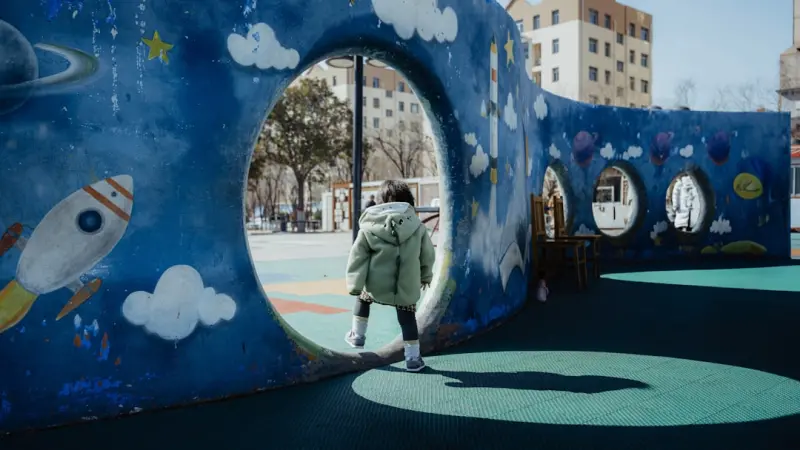
When you first bring a newborn home, the world feels like an open‑ended canvas. Every blanket, every corner of the living room suddenly becomes a potential learning station. Yet most parents quickly discover that a child‑centered space isn’t just about cute décor—it’s about building an environment that supports motor development, language acquisition, emotional security, and independent exploration. In this post, I’ll walk you through a step‑by‑step framework for creating a play zone that evolves from infancy through the toddler years, blending science‑backed principles with practical, budget‑friendly tactics.
1. Start With the Basics: Safety First, Then Stimulus
Before you worry about aesthetics or thematic color palettes, lay a foundation of safety. This means:
- Secure furniture. Anchor bookshelves, dressers, and any heavy items to the wall to prevent tipping.
- Cover outlets. Use tamper‑resistant plugs or simple outlet covers that can be removed later without a screwdriver.
- Choose non‑toxic materials. Paints, flooring, and fabrics should be low‑VOC and free from flame retardants that can off‑gas over time.
Once the space is physically safe, you can layer in sensory experiences that encourage curiosity. Think textures, colors, and sounds that are deliberately varied rather than overwhelming. A well‑curated mix of soft fleece, smooth wood, and natural fibers provides the tactile range babies need to develop fine motor skills.
2. Map Out Zones That Grow With Your Child
Instead of a single “play area,” design three loosely defined zones that can be repurposed as your child matures:
- Exploration Zone. A low‑profile rug with a few sturdy, open‑ended toys (stacking cups, soft blocks). This area stays on the floor, inviting crawling and early standing.
- Creation Zone. A low table or tray where toddlers can experiment with crayons, stickers, and simple puzzles. Keep this at knee height for easy access.
- Quiet Zone. A cozy nook with a soft cushion, a small bookshelf, and a few board books. This becomes a reading corner as language skills blossom.
The key is fluidity. As your baby learns to sit, you can add a soft booster seat in the Exploration Zone. When they transition to walking, place a low step stool near the Creation Zone so they can reach the table independently. The Quiet Zone can later incorporate a small, child‑sized chair for more structured story time.
3. Harness Natural Light and Simple Color Theory
Natural light isn’t just mood‑boosting for adults—it also regulates a baby’s circadian rhythm, helping them sleep better and stay alert during play. Position the Exploration Zone near a window that receives indirect sunlight. If glare is an issue, a sheer curtain can diffuse the light without blocking it entirely.
When it comes to color, avoid overly saturated hues that can overstimulate. Instead, opt for muted pastels or nature‑inspired tones—soft sage, warm sand, gentle sky blue. These shades create a calming backdrop while still providing visual contrast for developing eyes.
4. Integrate Developmentally Appropriate Toys
The right toys are the building blocks of skill acquisition. Below is a quick reference guide for each developmental stage:
- 0–3 months: High‑contrast black‑and‑white cards, soft rattles, and textured blankets.
- 3–6 months: Soft blocks, activity gyms with dangling toys, and mirrored surfaces.
- 6–12 months: Stacking rings, push‑and‑pull toys, and simple cause‑and‑effect gadgets (e.g., a toy that lights up when pressed).
- 12–24 months: Shape sorters, large wooden puzzles, and basic musical instruments like a baby‑size drum.
- 24–36 months: Pretend‑play sets, basic building bricks, and simple board games that encourage turn‑taking.
Rotate toys every few weeks. Rotation keeps the environment fresh and prevents overstimulation from a cluttered space.
5. Keep the Space Clean With Natural Solutions
Babies love to explore with their mouths, so hygiene is paramount. Instead of harsh chemicals, consider natural cleaning recipes for baby toys. A mixture of distilled water, white vinegar, and a few drops of lavender essential oil can safely disinfect plastic teethers and plush toys. For fabric items, a weekly steam cycle in the dryer eliminates germs without the need for detergent residues.
Make cleaning part of the routine. A quick wipe‑down after each play session not only maintains hygiene but also models good habits for toddlers as they grow older.
6. Foster Independence With Low‑Height Storage
When toddlers can see and reach their own belongings, they feel a sense of ownership. Install open cubbies or low baskets at floor level. Label each container with both a picture and a word (e.g., a picture of a ball with the word “ball”). This dual coding reinforces language development while teaching organization.
Encourage your child to put toys away after play. Celebrate small successes with verbal praise rather than handing over a reward. Over time, this builds self‑efficacy and reduces the “mess‑monster” battles that many parents dread.
7. Add Soft, Multi‑Sensory Elements
Beyond toys, think about the environment itself as a learning tool. Here are three low‑cost additions that make a big impact:
- Soundscape. A small, battery‑operated white‑noise machine can help mask household sounds, creating a calming auditory backdrop. As your child ages, swap it for a simple musical instrument like a hand‑held maraca.
- Texture Wall. Attach a panel of varied fabrics—felt, corduroy, satin—to a wall at baby height. This “touch wall” invites tactile exploration without taking up floor space.
- Light Box. A backlit board with translucent shapes can be used for early visual discrimination. Older toddlers can practice tracing the shapes with crayons.
8. Align the Play Space With Family Routines
Designing a child‑focused area doesn’t mean it exists in isolation from the rest of the home. Consider how the space interacts with daily rhythms:
- Morning. Place a small, easily accessible water bottle and a snack station near the Exploration Zone for quick, independent nourishment.
- Midday. Use the Quiet Zone for nap transitions—soft lighting, a consistent blanket, and a gentle lullaby cue the brain for rest.
- Evening. Transition from the Creation Zone to a low‑key story time, reinforcing language and bonding before bedtime.
When the environment supports the natural flow of the day, you’ll notice fewer meltdowns and more moments of self‑directed play.
9. Leverage Simple Organizational Systems
Even the most carefully curated space can descend into chaos without an easy-to‑maintain system. Borrow ideas from simple home organization systems and adapt them for a toddler‑friendly context. For instance:
- “One In, One Out” rule. Every new toy introduced must replace an existing one. This prevents accumulation.
- Color‑coded bins. Assign a color to each activity (e.g., blue for water play, red for building). Kids learn to sort by color while you keep the space tidy.
- Weekly “reset” ritual. Pick a Saturday morning to tidy the zone together, turning it into a mini‑game with a small reward for participation.
10. Celebrate Milestones Within the Space
Make the play zone a living scrapbook of growth. Attach a small corkboard where you pin photos of each new skill—first crawl, first steps, first word. As your child looks back, they’ll see a visual narrative of their own development, reinforcing confidence and encouraging them to keep trying new things.
Also, use the space to host low‑key celebrations: a “first birthday” dance party on the rug, a “learning-to‑run” race down a short hallway, or a “story‑telling” night where the child picks the book. These moments turn the environment into a backdrop for cherished family memories.
Putting It All Together: A Sample Layout
Here’s a practical illustration of how these concepts can coexist in a 12‑by‑12‑foot room:
| Zone | Key Elements | Age Adaptation |
|---|---|---|
| Exploration | Soft rug, low storage bins, tactile wall panel | Crawl to early walking; add push toys at 12 months |
| Creation | Low table, stackable stools, art supplies in labeled baskets | Crayon scribbles at 18 months; simple puzzles at 24 months |
| Quiet | Cozy nook, bookshelf, white‑noise machine, story board | Board books at 6 months; longer picture books at 30 months |
By mapping furniture and accessories to developmental stages, you can anticipate future needs without a major overhaul. The room evolves organically, saving you both time and money.
Final Thoughts: The Play Space as a Parenting Ally
A well‑designed baby‑and‑toddler area does more than keep toys off the floor—it becomes a silent teacher, a calming sanctuary, and a stage for family connection. When you blend safety, sensory variety, age‑appropriate tools, and easy‑to‑maintain organization, you hand your child the best possible launchpad for curiosity.
Remember, the goal isn’t perfection; it’s progress. Start small—maybe just a rug and a few open‑ended toys—and let the space grow alongside your child. Over time, you’ll witness the magic of independent exploration, language blossoming, and the quiet joy of a home that feels both lived‑in and lovingly curated.

Brad Hays is a freelance writer known for his versatile skill set and ability to craft compelling content across a wide range of industries.
Related Posts

Smart Baby Gear: Data‑Driven Parenting Made Simple
Explore how modern smart baby devices can provide actionable insights—like temperature alerts and ... Read More

Why Baby Sign Language Might Be Your Secret Parenting Superpower
Explore the science and practical steps behind baby sign language, a simple yet powerful tool that h... Read More

Raising Little Eco-Warriors: A Guide to Sustainable Parenting for Babies and Toddlers
Learn how to raise little eco-warriors by instilling sustainable values in your babies and toddlers.... Read More
Top Posts

When Classrooms Go Holographic: Rethinking Learning with AR and AI
A deep dive into how augmented reality, AI tutors, and microlearning modules combine to create immersive, data‑driven classrooms, while addressing equity, pri...Read More
Cultivating a Sensory Garden in Tiny Urban Spaces
Learn to create a sensory garden in tiny urban spaces, using fragrant herbs, tactile foliage, and creative design to nurture wellbeing and community connections...Read More

The Next‑Gen Toolbox: Sustainable Tools That Empower Makers
Explore the rise of sustainable gadgets and eco‑smart digital tools, and get actionable steps to create a green toolkit that drives performance and reduces en...Read More

From Blog to Knowledge Hub: 8 Tactics to Turn Content into Community
Learn how to shift from posting for clicks to building a living knowledge hub with evergreen content, interactive micro‑learning, guest expert spots, and a su...Read More
0 Comments
Post Comment
You will need to Login or Register to comment on this post!