
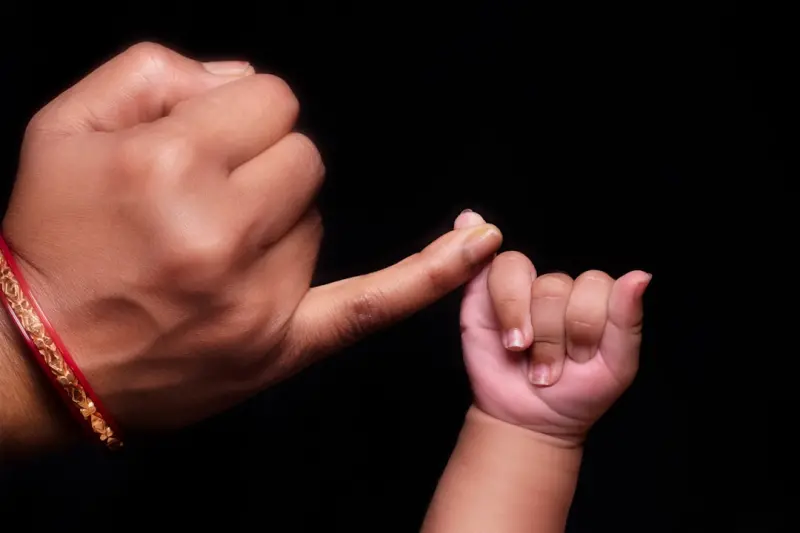
When I first held my newborn, the quiet, trusting gaze felt like a promise – a promise that our connection would grow without the need for words. In the months that followed, I discovered a surprisingly powerful tool that let me honor that promise long before my baby could speak: baby sign language.
The Origin Story: From Simple Gestures to a Communication Revolution
Baby sign language isn’t a new fad. Its roots trace back to the 1970s, when researchers observed that infants could master simple hand signs months before they could articulate sounds. The idea is simple: give your little one a set of visual symbols that represent basic needs—hungry, tired, more, all done—so they can express themselves without frustration.
What makes this approach truly compelling is the science behind it. Studies from developmental psychologists reveal that when babies are given a means to communicate, stress levels drop dramatically—for both child and parent. The parenting amidst distraction article highlighted how intentional communication can cut through the noise of modern life; baby sign language is a perfect micro‑example of that principle.
Why It Works: The Brain’s Early Wiring
Neuroscientists tell us that the brain’s language centers—Broca’s and Wernicke’s areas—begin forming connections well before a child utters their first word. By introducing hand signs, you’re essentially giving those neural pathways a head start. The visual‑motor loop (seeing a sign, moving your hands to replicate it) reinforces synaptic connections, making the eventual transition to spoken language smoother.
Here’s a quick breakdown of the brain benefits:
- Enhanced receptive vocabulary: Babies who sign often understand more words than their peers.
- Accelerated motor development: The fine‑motor control required for signing supports later writing skills.
- Reduced tantrums: When a child can signal “I’m tired” or “I need a diaper change,” the frustration that fuels meltdowns diminishes.
Getting Started: A Step‑by‑Step Playbook
1. Select a Core Set of Signs
Begin with five foundational signs: “milk,” “more,” “all done,” “mommy/daddy,” and “sleep.” These cover the most frequent needs during the first six months.
2. Model Consistently
Every time you feed, say “milk” while making the sign. Consistency is key; babies learn through repetition.
3. Encourage Imitation
When your infant looks at your hand, pause and give them a chance to copy. Celebrate any attempt, even if it’s a wobbly version.
4. Integrate Into Daily Routines
Make signing part of bedtime, diaper changes, and playtime. The more contexts you embed it in, the richer the vocabulary becomes.
5. Stay Patient and Positive
Progress varies. Some babies pick up signs within weeks; others take months. Celebrate every small win.
Real‑World Benefits: Stories from the Trenches
When my son was eight months old, he began using the “more” sign at the dinner table. One evening, after a particularly messy spoonful of mashed carrots, he flashed “more” and then, with a grin, added “all done.” The simple exchange avoided a full‑blown protest, and we both felt a deeper sense of partnership.
Another parent I consulted told me that after introducing the “sleep” sign, her toddler started settling into naps without the usual resistance. The sign acted as a cue, signaling that bedtime was coming—a gentle, non‑verbal reminder that reduced the nightly battle.
Beyond the Basics: Expanding the Vocabulary
Once you’re comfortable with the core set, you can branch out to emotions (“happy,” “sad,” “hurt”) and everyday objects (“ball,” “book,” “dog”). Adding emotional signs early helps children label feelings, laying groundwork for emotional intelligence.
Integrating storytime is a powerful way to expand. While reading a picture book, pause to sign the names of characters or actions. This mirrors the approach discussed in the story‑centric home, where narratives become the thread that weaves together spaces and experiences. In the same vein, signing weaves a narrative of communication between you and your baby.
Addressing Common Concerns
“Will signing delay speech?” The evidence says no. In fact, many studies indicate that signing can accelerate spoken language development because it reduces frustration and encourages more frequent interaction.
“My baby isn’t interested.” Not every infant is ready at the same pace. Try incorporating signs into high‑interest moments—play with favorite toys or during bath time—where the baby’s attention is naturally higher.
“Is this just a gimmick?” While the idea may feel novel, the research is robust, and millions of parents worldwide report tangible benefits. Think of it as a bridge: a temporary tool that eases the transition to verbal communication.
Integrating Sign Language Into a Modern Lifestyle
In a world saturated with screens, baby sign language offers a screen‑free, tactile way to connect. It aligns with the growing movement toward “digital minimalism” for young children, where parents consciously limit screen exposure in favor of hands‑on interaction. By using signs, you’re fostering a form of communication that’s inherently human—no pixels involved.
Moreover, signing fits seamlessly into busy households. When you’re juggling a work‑from‑home schedule, the quick hand gesture can replace a long‑winded explanation, saving time and preserving sanity.
Tools and Resources: Making It Easy
There’s a surprising amount of free resources available:
- Printable sign charts: Simple cards you can stick on the fridge for quick reference.
- Mobile apps: While the goal is to stay screen‑free, apps can provide visual reminders for parents.
- Community groups: Many pediatric offices host weekly sign‑language circles where parents practice together.
When selecting tools, prioritize those that encourage active participation rather than passive viewing. The more you and your child practice together, the stronger the habit becomes.
Measuring Progress: When to Celebrate
Instead of waiting for a specific milestone, watch for these signs of growth:
- Consistently using a sign in the appropriate context.
- Attempting new signs after observing you or older siblings.
- Using signs to express emotions beyond basic needs.
Each successful attempt is a micro‑celebration—a concept echoed in micro‑celebrations where small wins compound into big gains. In the parenting realm, acknowledging these victories reinforces confidence for both child and caregiver.
Potential Pitfalls and How to Avoid Them
1. Overloading the Sign Set – Start small. A crowded sign chart can overwhelm a baby.
2. Inconsistent Use – If you forget to sign during meals or diaper changes, the baby may lose interest.
3. Relying Solely on Signs – Remember, signs are a bridge to speech, not a replacement. Continue to talk, read, and sing.
Future Outlook: The Evolution of Early Communication
Researchers are exploring how technology can complement sign language without replacing its tactile nature. For example, smart wearables that detect hand movements could provide gentle reminders for parents to sign, blending the analog with the digital in a respectful way. Yet, the core philosophy remains: fostering connection through simple, human gestures.
As we look ahead, it’s clear that baby sign language will continue to be a valuable tool for parents seeking deeper bonds and smoother developmental pathways. The next generation of caregivers will likely view signing as a foundational skill—much like tummy time or reading aloud.
Final Thoughts: Embrace the Conversation Before Words Arrive
In the quiet moments of a newborn’s life, there’s a world of communication waiting to be unlocked. Baby sign language offers a bridge—one that lets you meet your child exactly where they are, honoring their needs without the frustration of unmet expectations. By investing a few minutes each day in hand signs, you’re not just teaching a set of gestures; you’re laying the groundwork for a lifetime of clear, compassionate conversation.
So, the next time your baby reaches out with tiny hands, consider responding with a gentle sign. You might just discover a secret superpower that makes parenting a little less chaotic and a lot more connected.

Robert Mathews is a professional content marketer and freelancer for many SEO agencies. In his spare time he likes to play video games, get outdoors and enjoy time with his family and friends . Read more about Robert Mathews here:
Related Posts
Talking Before Words: How Baby Sign Language Can Transform Early Communication
Learn why baby sign language is more than a cute trend, how it accelerates language development, and... Read More
Micro‑Adventure Parenting: Turning Everyday Moments into Big Learning Wins
Learn to transform everyday routines into micro‑adventures that spark curiosity, support sustainab... Read More
Everyday Sensory Play Hacks for Babies and Toddlers
Turn everyday objects into sensory adventures for your little one. From textured bins to nature walk... Read More
Top Posts

Designing Home Spaces for Neurodivergent Minds
A deep dive into designing interiors that honor neurodiversity, covering sensory-friendly lighting, acoustic solutions, modular furniture, and biophilic element...Read More

Turning Customer Stories into Interactive Content Hubs
What if your customers could become the heroes of your marketing? Learn how to turn real‑world stories into interactive hubs that boost SEO, trust, and sales ...Read More

Turn Your Home Into a Low‑Tech Powerhouse for Focus and Joy
A practical guide from Shawn DesRochers on simple, low‑tech tweaks— from decluttering digital noise to creating acoustic sanctuaries— that transform your ...Read More
Why Your Dog Might Be the Secret Weapon in Your Home Office
Learn why a dog can become a powerful productivity partner, offering stress relief, movement breaks, and a healthier work environment—all without sacrificing ...Read More
0 Comments
Post Comment
You will need to Login or Register to comment on this post!