
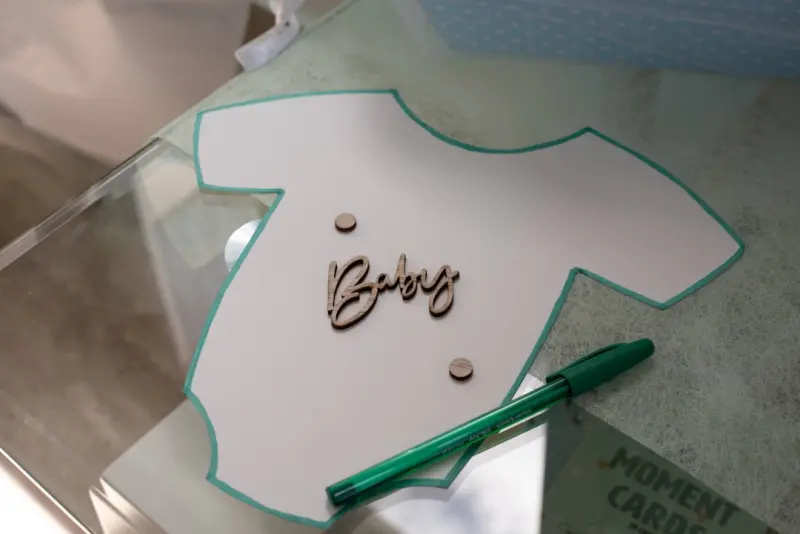
Talking Before Words: How Baby Sign Language Can Transform Early Communication
When I first cradled my newborn, the silence was beautiful—but it was also a little bewildering. I wanted to respond to every tiny cry, every contented sigh, yet I had no vocabulary to bridge the gap. A few weeks later, a friend whispered about sensory play benefits and how they’d started using simple hand signs with their baby. I was skeptical at first, but the idea of giving my infant a tool to “talk” before they could form words felt like a super‑power I couldn’t ignore.
Welcome to the world of baby sign language—a research‑backed, low‑tech approach that empowers tiny humans to express needs, emotions, and curiosities long before their vocal cords are ready. In this guide, I’ll share why I’ve made signing a cornerstone of my parenting philosophy, the science that backs it up, practical steps to get started, and how to weave it seamlessly into the bustling rhythm of modern family life.
Why Signing Isn’t Just a Cute Trend
It’s easy to dismiss baby sign language as “just a fad” or “something cute parents do for Instagram.” The reality is far more substantive. Multiple longitudinal studies, including a 2020 meta‑analysis published in Child Development, have shown that infants who learn basic signs between 6‑8 months tend to develop spoken vocabulary faster, experience fewer tantrums, and display stronger parent‑child bonds.
- Reduced Frustration: When a baby can indicate “more,” “all done,” or “milk” before they can articulate the words, the frantic guessing game ends. Less frustration means calmer evenings and more sleep for everyone.
- Early Brain Wiring: Signing engages the same neural pathways used for spoken language. By activating both visual‑motor and auditory circuits, you’re giving your child a richer, multisensory language foundation.
- Enhanced Social Skills: Babies who sign are often more attentive to others’ gestures and facial expressions, laying the groundwork for empathy and turn‑taking.
In short, baby sign language is not a gimmick; it’s a developmental catalyst that aligns beautifully with the natural pace of infant growth.
Getting Started: The First 5 Signs Every Parent Should Teach
My own signing journey began with the “big three” that solved the most pressing daily dilemmas: milk, more, and all done. Once those became second nature, we expanded to mom, dad, and sleep. Below is a step‑by‑step roadmap for each sign, complete with visual cues you can practice in front of a mirror.
- Milk – Extend your thumb and first two fingers together, forming a “C” shape, and touch your lips. Use this whenever you’re feeding or offering a bottle.
- More – Bring the fingertips of both hands together repeatedly, as if tapping two tiny spoons. Perfect for snack time or when you want an extra story.
- All Done – Open both hands, palms facing out, and rotate them back and forth, like you’re waving goodbye. Ideal for ending play or signaling bedtime.
- Mom / Dad – For “mom,” spread all fingers on one hand and touch your chin; for “dad,” do the same but touch your forehead. These become instant identity markers.
- Sleep – Place a flat hand on your cheek, then gently close your eyelids with the other hand. This signals bedtime routine.
Consistency is key. Pair the sign with the spoken word every single time, and use exaggerated facial expressions to reinforce meaning. Babies are visual learners; they’ll latch onto the rhythm and emotion faster than you might expect.
Integrating Sign Language Into a Busy Household
Modern families juggle remote work, school drop‑offs, and a never‑ending stream of errands. How do you keep signing from slipping through the cracks? Here are three strategies that have kept us on track:
1. Create Visual Cue Boards
Design a small, laminated board for the nursery that features the hand‑sign icons alongside the written word. Place it near the changing table or feeding area. Every time you interact with your baby, glance at the board, perform the sign, and point to the picture. This visual reminder not only reinforces the sign for your child but also trains other caregivers to stay consistent.
2. Leverage Existing Routines
Think of each daily ritual as a signing “anchor.” During diaper changes, use “wet” and “dirty.” At bath time, sign “water.” When you’re out for a walk, sign “outside” or “car.” Embedding signs into predictable moments reduces the cognitive load on both parent and infant.
3. Involve the Whole Tribe
Grandparents, babysitters, and even older siblings can become sign ambassadors. Share a quick cheat‑sheet or a short video demonstration, and encourage them to use the signs whenever they’re with the baby. The more people who speak the same “language,” the faster your child will become fluent.
Choosing the Right Tools: Minimalist, Sustainable, and Stylish
Just as we’re mindful about the toys and furniture we bring into our homes—see the article on flexible play spaces for inspiration—sign language can also be supported by thoughtful, sustainable accessories.
- Eco‑Friendly Sign Cards: Opt for cards printed on recycled cardstock with soy‑based inks. They’re gentle on the planet and easy to wipe clean.
- Hand‑Made Felt Boards: A simple felt board with detachable sign shapes doubles as a sensory toy and a teaching aid.
- Digital Apps for Parents: While the signing itself stays analog, a few apps provide visual libraries of signs that you can reference on the go—perfect for quick refresher moments during a grocery run.
Remember, the goal isn’t to turn your living room into a boutique store. It’s about selecting tools that align with your family’s values—sustainability, simplicity, and aesthetics—without adding clutter.
The Unexpected Benefits: Beyond Communication
While the primary goal of signing is to ease frustration, the ripple effects reach far beyond. Here are a few bonuses I’ve witnessed firsthand:
1. Early Literacy Skills
Research indicates that babies who sign also show stronger phonemic awareness later on. The act of associating a visual symbol (the sign) with a spoken word mirrors the way children later connect letters with sounds.
2. Emotional Intelligence
When a toddler can say “sad” or “happy” with a sign, they’re less likely to act out. They have a conduit for expressing complex feelings, which encourages parents to label emotions in real time, fostering a richer emotional vocabulary.
3. Strengthened Parent‑Child Bond
Every successful sign exchange is a mini celebration—a high‑five moment that releases dopamine for both parties. Over weeks and months, these tiny victories build trust, making your baby more likely to explore their environment confidently.
Common Pitfalls and How to Dodge Them
Even the most enthusiastic parents can hit snags. Here’s a quick troubleshooting guide based on my own trial‑and‑error experiences.
- Inconsistency: If one caregiver signs “more” while another says “again,” the baby gets confused. Set a household standard and stick to it.
- Overloading the Vocabulary: Introducing too many signs at once can overwhelm your infant. Start with 2‑3 core signs and expand gradually.
- Neglecting Verbal Reinforcement: Signing should complement, not replace, spoken language. Always say the word aloud while signing.
- Relying Solely on Signs for Complex Needs: For nuanced requests (e.g., “I want the red ball”), combine sign + spoken phrase + visual cue.
Measuring Progress Without Pressure
Unlike formal language tests, baby signing thrives on observation. Here are three gentle metrics to gauge growth:
- Recognition: Does your baby look at you when you sign a word, even if they don’t replicate it?
- Initiation: Is your child starting to sign first, before you prompt?
- Generalization: Can they use the sign in multiple contexts (e.g., “more” at the kitchen table and at the park)?
If you notice a plateau, revisit the routine, add more visual cues, or take a short break. Signing should feel like play, not a chore.
Bridging Sign Language with Modern Parenting Tools
In today’s hyper‑connected world, we often turn to tech for answers. While signing is delightfully low‑tech, you can still integrate it with high‑tech solutions for a balanced approach. For instance, the Gift Playbook highlights personalization—apply that principle by creating a custom sign‑learning kit for each child, perhaps with their name embroidered on a felt board.
Another tip: use a shared family calendar (digital or paper) to schedule “sign practice” moments. Even five minutes before bedtime can become a quiet signing session, reinforcing the day’s vocabulary while winding down.
From Baby Signs to Toddler Conversations: The Natural Progression
By the time your child hits the toddler milestone—around 18‑24 months—the foundation you’ve built with signs will serve as a springboard into full speech. Many parents report that toddlers who signed transition to spoken language with fewer “baby‑talk” stages and display clearer articulation.
To smooth the handover:
- Pair Signs with Words: When your toddler says “milk,” also sign “milk.” This reinforces the connection between the gesture and the sound.
- Introduce Simple Sentences: Combine signs (e.g., “more milk”) to model basic sentence structure.
- Celebrate Verbal Wins: When a new word emerges, celebrate with a hug, a high‑five, and a repeat of the sign to cement the link.
Final Thoughts: A Gift That Keeps on Giving
Choosing to teach baby sign language is an investment in communication, emotional health, and familial closeness. It’s a practice that respects the baby’s developmental timeline while offering parents a concrete tool to reduce daily stress. In the chaotic swirl of modern life—where we’re constantly bombarded by notifications, deadlines, and the pressure to “do it all”—signing brings us back to the simplest, most profound exchange: a shared understanding between two humans.
If you’re on the fence, start small. Pick one sign, use it consistently for a week, and watch the magic unfold. Before you know it, you’ll have a tiny, expressive communicator who can tell you when they’re hungry, tired, or simply ready for a cuddle—without a single word.
Happy signing, and may your days be filled with clear gestures, giggles, and the quiet joy of being truly understood.

Amanda is a passionate writer exploring a kaleidoscope of topics from lifestyle to travel and everything in between.
Related Posts
The Magic of Tiny Routines: How Simple Daily Rituals Nurture Your Baby’s Growing Mind
Learn how everyday rituals—like sensory warm‑ups, consistent cues, and a calming bedtime storyâ€... Read More
Why Sensory Play Is the Secret Weapon for Thriving Toddlers
Sensory play isn’t just fun—it’s a powerful tool for early brain development, motor coordinati... Read More
Why Sustainable Baby Gear Is No Longer a Niche Choice
Parents are shifting to sustainable diapers, upcycled clothing, and circular toys, using data‑driv... Read More
Top Posts

Beyond the Porch: How Seniors Are Shaping Digital Communities
A retired professional shares her journey into digital storytelling, community building, and lifelong learning, showing how seniors can turn technology into a p...Read More
Playful Routines that Supercharge Baby Development
A warm, practical guide showing parents how everyday sensory routines—from texture baskets to nature walks—can boost a baby's development, fostering curiosi...Read More

The Appliance Revolution: How Smart, Sustainable Gadgets Are Changing Our Homes
Jim Pearse explores the booming world of sustainable appliances, from AI‑driven fridges to water‑saving dishwashers, showing how smarter choices can cut ene...Read More

Beyond the Mirror: Guarding Yourself Against AI‑Driven Deepfakes and Synthetic Media
Discover practical steps to detect AI‑crafted deepfakes, safeguard your online identity, and protect smart home devices from synthetic media attacks....Read More
0 Comments
Post Comment
You will need to Login or Register to comment on this post!