
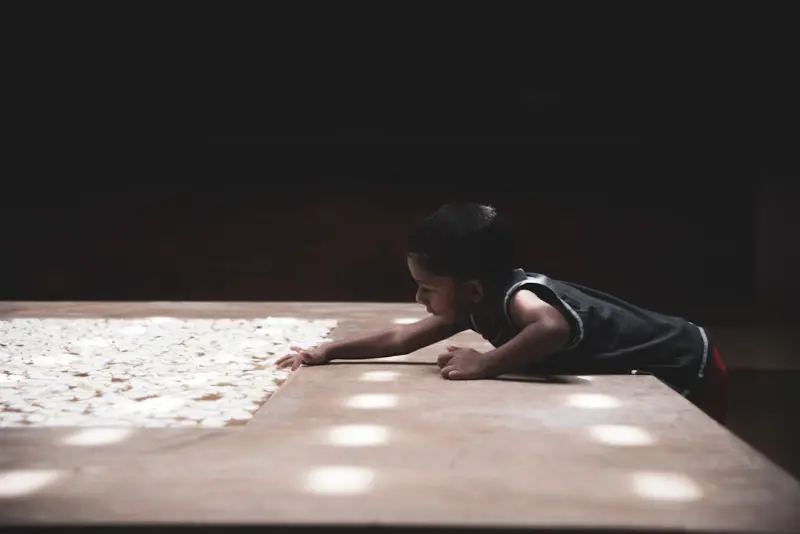
When I first cradled my newborn, I was flooded with a tidal wave of advice—some rooted in science, some in tradition, and many in sheer panic. Over the past few years, I’ve watched the conversation around early childhood shift from “how do I keep my baby safe?” to “how do I unlock the full potential of my little one’s mind?” The answer, surprisingly simple yet profoundly effective, is sensory play. It’s not a buzzword; it’s a developmental catalyst that can turn ordinary moments into extraordinary growth opportunities.
The Science Behind Sensory Play
From a neurological perspective, babies are born with a brain that’s primed to receive input from the world. Every texture they feel, every sound they hear, and every scent they inhale fires synaptic connections that lay the foundation for cognitive, motor, and emotional development. Research shows that multisensory stimulation accelerates neural pathways, leading to better language acquisition, problem‑solving abilities, and self‑regulation.
But there’s a catch: the quality of the sensory input matters. Over‑stimulation can overwhelm a child’s still‑developing nervous system, while under‑stimulation can leave them missing critical learning windows. The sweet spot lies in purposeful, varied, and age‑appropriate experiences that invite exploration without causing distress.
Why Sensory Play Beats Screen Time (Almost Every Time)
We live in an era where tablets and smartphones are practically handed to toddlers before they can say “no.” While digital media can be educational, it rarely engages the full spectrum of senses. A screen offers visual and auditory input, but it neglects touch, proprioception (the sense of body position), and olfactory cues. Real‑world sensory play, on the other hand, is a full‑body workout for the brain.
Consider a simple activity like a rice bin: a child scoops, pours, and feels the grains slip through their fingers. They’re simultaneously refining fine motor skills, learning cause‑and‑effect, and experiencing the soothing sound of the grains shifting. Replace that with a video of someone playing with rice, and you lose the tactile feedback that cements learning.
Practical Sensory Play Ideas for Different Ages
- Newborn to 3 months: High‑contrast black‑and‑white cards, soft fabrics, and gentle rattles stimulate visual and auditory pathways. A sensory basket with a few textured blankets can become a mini‑exploration zone during tummy time.
- 4 to 6 months: Introduce water play (a shallow tray with lukewarm water and floating toys) to develop proprioception and cause‑and‑effect reasoning. Pair this with soft sponges for tactile contrast.
- 7 to 12 months: Offer safe household items like silicone kitchen tools, wooden spoons, or textured balls. Encourage crawling over different surfaces—carpet, rubber mats, and even a piece of bubble wrap (under supervision).
- 13 to 24 months: Create “messy” stations with safe materials: cooked pasta, oatmeal, or shredded paper. Let them experiment with pouring, scooping, and even simple art—finger painting with edible paints.
- 24 months and beyond: Introduce more complex concepts like sorting by size, color, or texture. Use sensory bins that combine multiple materials (e.g., beans, beads, and small figurines) to spark imagination and language development.
Integrating Sensory Play Into a Busy Schedule
One of the biggest hurdles for modern parents is time. The good news? Sensory play doesn’t require a dedicated hour or a mountain of supplies. It can be woven seamlessly into daily routines.
Morning routine: While waiting for the coffee to brew, place a textured teething ring on the high‑chair tray. Your toddler can chew, feel, and explore while you sip.
Bath time: Swap the usual bubble bath for a few drops of food‑grade essential oils (lavender for calm, citrus for alertness) and a handful of floating silicone shapes. The combination of scent, sight, and touch turns a mundane chore into a sensory adventure.
Commute: If you’re driving or using public transport, keep a small sensory pouch with a soft cloth, a rubber toy, and a scented sachet. A brief tactile session can keep little hands occupied and minds engaged.
Balancing Technology and Imagination
Technology isn’t the enemy—misuse is. Many parents wrestle with the dilemma of introducing devices early. The key is to balance tech and imagination by setting clear boundaries and using digital tools as supplements, not replacements, for hands‑on play.
For instance, a child’s favorite animated series can inspire a post‑show activity: recreate a scene using felt boards, natural objects, or even a simple cardboard backdrop. This bridges screen time with tactile creation, reinforcing narrative comprehension and motor coordination.
When Data Meets Sensory Play: Tracking Development
We’re in an age where data drives decisions in health, finance, and even parenting. A growing number of parents are turning to data‑driven health wearables for kids to monitor sleep, heart rate, and activity levels. While these gadgets can provide valuable insights, they should never replace the qualitative observations you make during sensory play.
Use the data as a compass: If a wearable indicates your toddler is unusually restless, a calming sensory activity—like a lavender‑scented bean bag or a gentle rain‑maker toy—might help re‑center them. Conversely, if the data shows high energy levels, opt for a vigorous activity like a “sensory obstacle course” that encourages crawling, climbing, and jumping.
Creating a Sensory‑Friendly Home Environment
Designing a space that invites exploration doesn’t mean redesigning your entire house. Simple adjustments can make a big difference.
- Texture corners: Designate a small area of the living room or nursery where you keep a rotating selection of tactile items—soft blankets, bumpy silicone mats, smooth wooden blocks.
- Low shelves: Install child‑height shelves that showcase a curated collection of sensory objects, encouraging independent discovery.
- Safe “mess zones”: Use a waterproof mat or a plastic tray to contain messes. Knowing that cleanup is easy reduces parental anxiety about “messy” play.
- Lighting: Natural light supports mood regulation and visual development. When natural light isn’t available, opt for soft, warm LED bulbs that mimic sunrise and sunset.
Safety First: Navigating Risks Without Stifling Curiosity
Every parent’s instinct is to protect. While safety is paramount, over‑protectiveness can inadvertently hinder growth. Here are some guidelines to keep play both safe and enriching:
- Supervision: Always stay within arm’s reach, especially with small objects that could be a choking hazard.
- Material safety: Choose non‑toxic, BPA‑free, and washable items. When in doubt, test a material against your skin for irritation before offering it to your child.
- Environment checks: Ensure play areas are free of sharp edges, cords, and heavy items that could topple.
- Gradual exposure: Introduce new textures one at a time, observing your child’s reaction. Some children may need time to acclimate to certain sensations.
The Ripple Effect: How Sensory Play Influences Later Skills
Early sensory experiences lay the groundwork for a suite of later competencies:
- Language development: As babies explore textures, they naturally label their experiences (“soft,” “rough,” “cold”), expanding vocabulary.
- Problem‑solving: Figuring out how to move a toy from one container to another teaches cause‑and‑effect and planning.
- Emotional regulation: Calming sensory activities, like kneading dough or feeling a cool stone, can help children self‑soothe during moments of frustration.
- Social skills: Shared sensory play encourages turn‑taking, cooperation, and empathy as children discuss preferences (“I like the squishy one, you like the crunchy one”).
Leveraging Online Communities for Inspiration
Parenting can feel isolating, but the internet offers a treasure trove of ideas and support. Platforms like online resources for parents provide curated lists of sensory activities, printable templates, and even video tutorials that walk you through setup step‑by‑step. Join a local or virtual “sensory play” group to exchange tips, troubleshoot challenges, and celebrate milestones together.
Measuring Success Without Numbers
Unlike a business KPI, the success of sensory play isn’t captured by spreadsheets. Look for qualitative signs:
- Increased eye contact and curiosity.
- Longer periods of focused engagement (the “flow” state).
- Spontaneous use of new words to describe sensations.
- Improved sleep patterns after calming sensory routines.
When you notice these indicators, you know you’re on the right track.
Final Thoughts: The Gift of Exploration
In the rush of modern life, it’s easy to default to convenience—screen time, pre‑packaged toys, or “quick fix” activities. But the most profound gifts we can give our children aren’t bought; they’re crafted from curiosity, texture, and the simple act of exploring the world with all their senses. By intentionally weaving sensory play into daily life, you’re not just filling time; you’re building neural pathways, fostering emotional resilience, and setting the stage for a lifelong love of learning.
So the next time you’re tempted to hand over a tablet, pause and ask: “What can we feel, smell, or hear together right now?” The answer is often a small box of rice, a splash of water, or a handful of scented beads—and the impact will echo far beyond the moment.

David Moore is a freelance writer specializing in two dynamic and ever-evolving fields: gambling and the tech industry. With a keen eye for detail and a knack for unraveling complex topics, David delivers insightful and engaging content that keeps readers informed and entertained.
Related Posts

The Importance of Sustainable Living for Families with Babies and Toddlers
As a parent, you want the best for your child. Sustainable living is a great way to ensure a healthy... Read More

Cultivating a Language Garden: Turning Everyday Sounds into Early Speech
Learn how everyday noises, rhythmic play, and sensory storytelling can create a “language gardenâ€... Read More

Sustainable Diapering: How to Cut Waste While Keeping Baby Comfortable
A deep dive into sustainable diapering options, from cloth and hybrid systems to biodegradable dispo... Read More
Top Posts

Why Media Agencies Must Adopt a Metric‑First Storytelling Model
A fresh look at why media agencies need to put metrics at the heart of storytelling, leveraging AI, niche tribes, and chat‑based commerce for measurable succe...Read More
When Design Meets Data: Building Adaptive Web Experiences
Adaptive web design blends robust design systems, performance‑first architecture, and data‑driven UI logic to deliver experiences that feel personal, fast, ...Read More

Reviving Handcrafted Toolkits: How Analog Gear Boosts Modern Productivity
Explore the power of mixing tactile, handcrafted tools with modern digital companions to enhance focus, efficiency, and creative flow....Read More

Unlocking the Hidden Power of Your Smartphone: A Fresh Take on AI, Modularity, and Cloud Productivity
Explore a new perspective on smartphones, blending AI-driven workflows, modular accessories, and cloud‑based productivity to boost creativity, efficiency, and...Read More
0 Comments
Post Comment
You will need to Login or Register to comment on this post!