
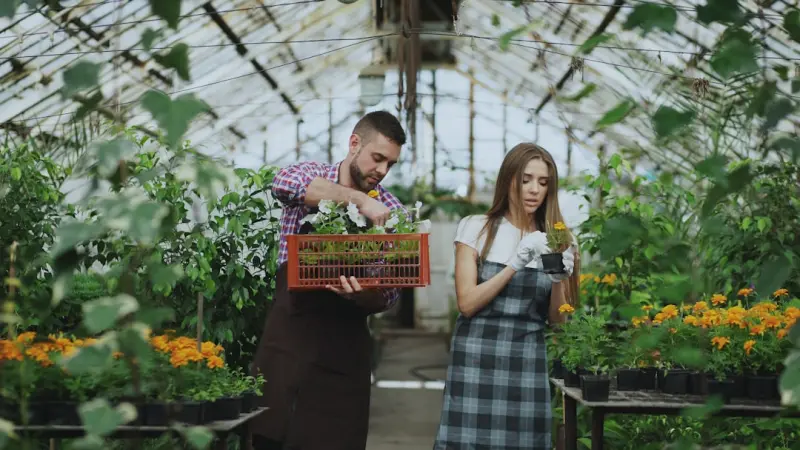
Why a “Language Garden” Can Be Your Baby’s First Classroom
When I first cradled my newborn, I realized that the world outside the nursery walls was already humming with lessons—soft breezes rustling leaves, the rhythmic patter of rain on the window, a distant kettle whistling its welcome. I started to think of those everyday sounds as the seedlings of language, waiting to be watered with attention and curiosity. By turning my living room into a language garden, I created a space where each natural cue became a vocabulary lesson, and each gentle pause turned into a moment of comprehension. The result? My baby began to babble in recognizable patterns long before our first formal “baby‑talk” session.
Building this garden didn’t require a costly overhaul; it began with a few intentional choices. I placed a small wooden wind chime near the crib, allowing the soft clang to echo each time a breeze slipped through the open window. A tiny indoor fountain provided a soothing, repetitive splash that my baby would watch with wide eyes, matching the sound to the visual cue. Over time, I paired these sounds with simple words—“whoosh,” “splash,” “ding”—repeating them in a sing‑song tone that encouraged mimicry. The consistency of these auditory‑visual pairings laid a foundation for early phonetic awareness, turning ordinary moments into language‑rich experiences.
The Role of Rhythm and Repetition in Early Speech Development
One of the most surprising discoveries in my journey was how rhythm acts as a bridge between sensation and speech. Babies are naturally drawn to patterns; a steady beat—whether it’s the ticking of a clock or the rhythmic pat of my foot on the floor—captures their attention in a way that random noise never does. By incorporating a simple drum or even clapping my hands in a steady tempo, I provided a predictable framework that helped my little one anticipate the next sound, fostering a sense of control and encouraging vocal experimentation.
Repetition, on the other hand, builds confidence. When I would chant, “Clap‑clap‑clap, see the cat,” and then point to a plush feline, the repeated phrase became a cue my baby could grasp. Over days, the phrase evolved from a giggle‑inducing chant to a recognizable string of syllables that my child attempted to reproduce. This incremental approach mirrors how musicians practice scales—small, consistent steps leading to mastery. By embedding rhythm and repetition into daily routines, you create a low‑pressure environment where language feels as natural as breathing.
Integrating Everyday Objects as Storytelling Props
Storytelling isn’t reserved for bedtime books; the kitchen spoon, a colorful sock, or a garden trowel can all become characters in a narrative that nurtures language growth. I started by assigning simple personalities to objects—“Mr. Spoon loves to dive into the soup,” or “Sally the Sock likes to hide under the couch.” As I narrated these mini‑adventures, I used expressive gestures and varied my tone, turning the mundane into a theatrical playground. My baby’s eyes lit up, and soon, the objects themselves seemed to prompt vocal attempts—soft “buh‑buh” for the spoon, a tentative “suh” for the sock.
These props also serve as visual anchors that reinforce word meaning. When I said, “Look, the trowel digs in the soil,” I would gently guide my baby’s hand to the garden bed, letting the tactile sensation cement the association. The process is akin to building a mental map where each object is a landmark linked to a word, making recall effortless as the child explores their environment. By turning daily items into story catalysts, you enrich the linguistic landscape without needing a shelf full of books.
Balancing Sensory Exploration with Calm Moments
While excitement fuels curiosity, babies also need calm interludes to process what they’ve absorbed. I learned to weave brief pauses—soft humming, a gentle rocking, or a simple breathing exercise—into our language garden routine. These tranquil moments act like the quiet soil in which seedlings rest before sprouting, allowing neural pathways to consolidate new sounds and meanings. Even a five‑minute lull after a lively rhyme session gave my child the space to experiment with the newly learned syllables.
Creating this balance reminded me of the broader parenting philosophy discussed in Resetting Parenting. By honoring both the energetic and the serene, we respect the child’s natural rhythm, fostering a love of language that feels organic rather than forced. The key is to stay attuned: when your baby’s eyes start to wander or a sigh escapes, it’s a gentle cue to shift gears, ensuring that each learning episode ends on a note of comfort and confidence.
Leveraging Outdoor Soundscapes for Multilingual Exposure
Our backyard became an unexpected classroom when I began to notice the diversity of sounds that a single afternoon could offer. Birds chirped distinct regional calls, a passing car honked a rhythmic “beep,” and distant children laughed in a cadence that differed from our own. I started to label these sounds in real time—“tweet‑tweet” for the sparrow, “vroom” for the car—while also introducing simple foreign equivalents like “cucu” for a pigeon’s coo in Spanish. This exposure planted early seeds of multilingual awareness without the pressure of formal lessons.
Research shows that babies can differentiate phonemes from multiple languages well into their first year, and my garden experiments confirmed that variety sparks intrigue. By pairing each outdoor sound with a visual cue—a feather for “tweet,” a toy car for “vroom”—my child began to associate the auditory pattern with an object, reinforcing memory. The occasional “bonjour” for a passing neighbor’s wave added a gentle cultural dimension, turning the garden into a tiny, inclusive world where language feels as natural as the wind.
Creating a “Mini‑Library” of Sensory Books
Physical books remain powerful, but when they engage the senses, their impact multiplies. I curated a collection of soft‑cover books with textured pages, lift‑the‑flap elements, and scented patches—each designed to stimulate touch, sight, and smell alongside language. While reading “The Little Cloud,” I would pause to let my baby feel the fuzzy cotton cloud texture, then describe the sensation: “soft like a whisper.” This multimodal approach transforms passive listening into an active discovery, solidifying word‑object connections.
Integrating these sensory books into our daily routine was simple: a short session after breakfast, a quiet moment before nap time, or a soothing read during a rainy afternoon. The consistency helped my baby anticipate language moments, while the tactile interaction kept engagement high. By combining the tactile allure of books with the rhythmic storytelling I’ve cultivated, the “mini‑library” became a cornerstone of our language garden, offering a portable, versatile tool for any parent looking to deepen early communication.
How Community‑Driven Toys Amplify the Language Garden
While many parents focus on high‑tech gadgets, I discovered that community‑sourced, sustainable toys can enrich language learning just as effectively. Toys crafted by local artisans often come with unique textures, shapes, and cultural stories, providing fresh vocabulary opportunities. When my baby played with a hand‑carved wooden animal, I would share its origin—“This giraffe comes from a nearby village where they love to tell tall tales.” This narrative thread added depth, turning a simple play object into a cultural bridge.
The concept aligns with the ideas presented in Playful Futures, where community‑driven design fosters both environmental stewardship and imaginative play. By incorporating these toys into our language garden, we not only support sustainable practices but also expand our child’s linguistic horizon with diverse terminology—“carved,” “hand‑made,” “village.” The shared stories become a living vocabulary, reinforcing the notion that language thrives in a rich, interconnected ecosystem.
Measuring Progress Without Pressure: Observational Milestones
One of my greatest anxieties as a new parent was the urge to track every babble and compare it to developmental charts. Over time, I shifted to an observational mindset, celebrating small victories like a new consonant sound or a prolonged eye‑contact during a story. I kept a simple journal noting the context—“spoon clink” led to “ding‑ding” after three days—allowing patterns to emerge naturally. This low‑stress tracking helped me see growth without feeling the weight of metrics.
By focusing on qualitative milestones, the language garden remained a joyful space rather than a performance arena. When my baby finally said “water” while pointing to the fountain, the celebration was genuine, not measured. This approach also taught me to trust the child’s innate timeline, reinforcing the garden’s purpose: to nurture curiosity, not to meet arbitrary benchmarks. The result is a confident, expressive child who views language as an adventure, not a chore.

Karen Edwards is a seasoned freelance writer with a passion for all things furry, feathered, and scaled. With a dedicated focus on pets, she brings a wealth of knowledge and a keen eye for detail to her writing.
Related Posts
Raising Tiny Eco‑Warriors: A Zero‑Waste Guide for New Parents
A comprehensive guide for parents seeking to reduce their baby’s environmental footprint, offering... Read More

Nurturing Tiny Humans: A Sustainable Parenting Journey
Explore a heartfelt guide on sustainable parenting, from cloth diapers to green playtime, and learn ... Read More

Creating a Sensory‑Friendly Sleep Sanctuary for Babies
Learn to craft a soothing, sensory‑aware nursery that promotes better sleep for your baby, using l... Read More
Top Posts
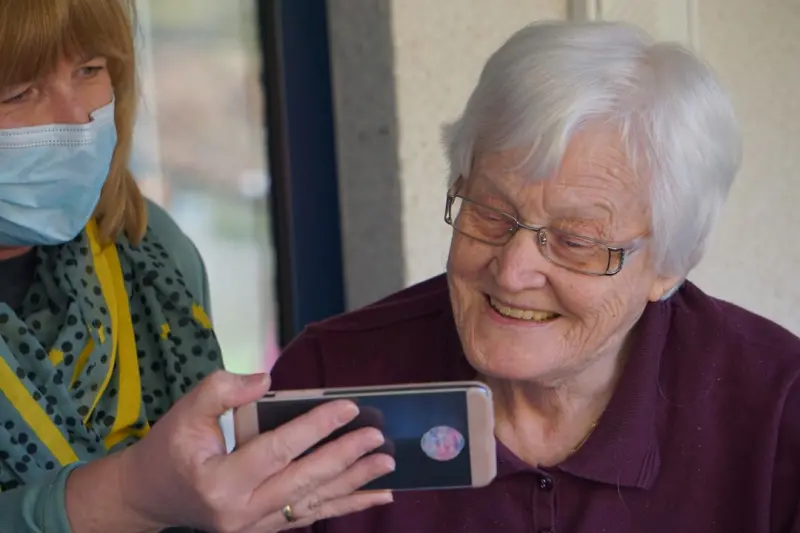
How Seniors Are Redefining Digital Social Connection
Seniors are breaking the “tech‑shy” stereotype by using VR, podcasts, online health tools, and intergenerational mentorship, creating vibrant digital comm...Read More
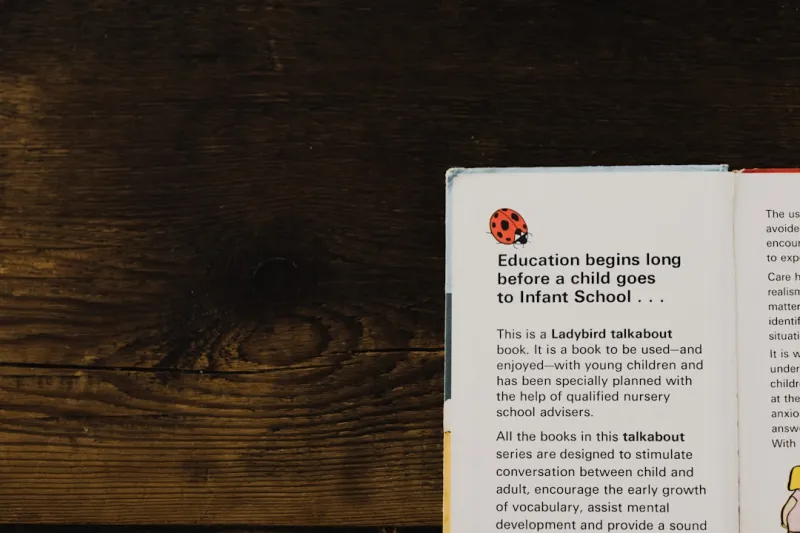
Cultivating Eco‑Savvy Kids: A Parent’s Playbook for a Greener Generation
Learn how to turn everyday moments into eco‑learning experiences for kids and teens. From sustainable play to green celebrations, this guide equips parents wi...Read More

Crafting a Portfolio Career for Uncertain Times
A portfolio career blends core expertise, adjacent opportunities, and passion projects into a flexible, multi‑income professional strategy. Discover practical...Read More
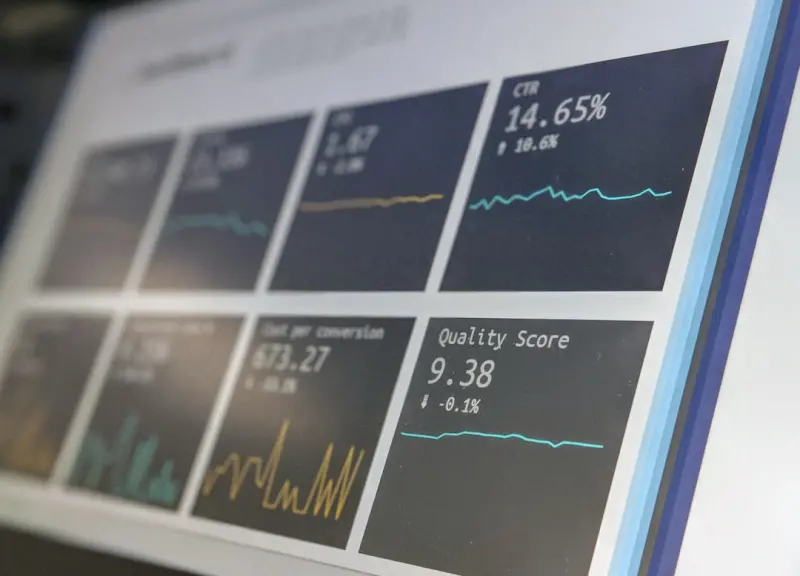
Real‑Time Finance Dashboards: The Missing Link in SaaS Growth
A real‑time finance dashboard turns static spreadsheets into a live command center, aligning product, marketing, and finance around instant cash‑flow, churn...Read More
0 Comments
Post Comment
You will need to Login or Register to comment on this post!