
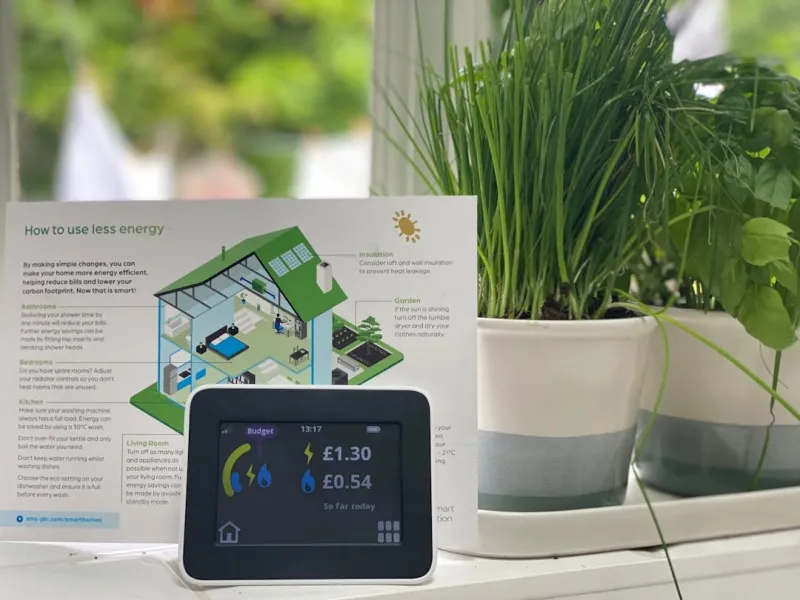
The Appliance Landscape Is Shifting—And I’m Here for the Ride
When I first walked into a showroom three years ago, the biggest talking point was sleek finishes and megapixel screens; today, the buzz is all about energy metrics, smart integrations, and the carbon cost of each button you press. As someone who has spent countless weekends tinkering with vintage mixers and arguing over thermostat settings, I’ve learned that the modern appliance isn’t just a tool—it’s a data‑driven partner in the quest for a greener, more efficient household. This shift feels like the culinary version of a marathon, where every mile you shave off your energy bill adds up to a healthier planet and a happier wallet, and I’m excited to share the trends that are turning ordinary kitchens into high‑performance eco‑labs.
Smart Refrigerators: The Fridge That Knows When You’re Running Low
Imagine a refrigerator that not only keeps your produce fresh but also alerts you when you’re about to waste food, suggests recipes based on what’s inside, and even adjusts its cooling cycle to match off‑peak electricity rates; that’s the reality of today’s smart fridges, and they’re rapidly becoming the centerpiece of sustainable kitchens. These appliances come equipped with internal cameras, AI‑powered inventory tracking, and energy‑saving modes that can cut consumption by up to 30 % compared to legacy models, meaning your ice cream stays cold while your carbon footprint stays low. As a longtime advocate for making everyday chores smarter, I’m thrilled that this technology is finally mainstream, turning the humble fridge into a silent steward of both food and power.
Dishwashers That Respect Water—And Your Time
Water scarcity is no longer a distant concern, and the latest dishwasher designs reflect that urgency by delivering powerful cleaning with dramatically reduced flow rates, often using as little as 3 gallons per cycle without compromising sparkle. Features such as soil sensors, auto‑load detection, and flexible rack systems mean you can run a half‑load without wasting a drop, while the quiet, low‑temperature cycles shave off both water and energy bills. If you’re redesigning your kitchen, consider pairing your appliances with a sustainable interior design approach that highlights the sleek, eco‑focused aesthetics these machines bring, turning the act of dish‑washing from a chore into a statement of responsible living.
Washing Machines That Think About the Planet—and Your Wardrobe
Modern washing machines now boast “eco‑wash” programs that combine lower temperatures, optimized spin speeds, and sensor‑driven water levels to reduce consumption by up to 50 % while still delivering crisp results for cotton, synthetics, and delicate fabrics alike. Many models integrate smart home hubs, allowing you to schedule cycles when renewable energy is most abundant in your area, or to receive maintenance alerts that prevent costly repairs and prolong the machine’s life. For entrepreneurs looking to align their brand with sustainability, these appliances serve as a perfect case study in building a sustainable brand—they demonstrate that performance and responsibility can coexist harmoniously in the everyday.
Induction Cooktops: Precision Heat Meets Zero Emissions
Induction cooking has surged in popularity because it delivers rapid, precise heat while eliminating the need for gas flames, which means zero onsite combustion and a significant drop in indoor air pollutants. The technology’s magnetic field directly energizes the pan, resulting in up to 90 % energy efficiency compared to traditional electric coils, and the responsive temperature control reduces cooking times, saving both fuel and time. Pairing an induction surface with cookware made from recycled aluminum or stainless steel further amplifies the environmental benefits, turning every sauté and simmer into a low‑impact culinary adventure.
HVAC and Air Purifiers: Breathing Easier in a Smarter Home
Heating, ventilation, and air‑conditioning systems are undergoing a quiet revolution, with variable‑speed compressors, zoned controls, and IoT sensors that monitor indoor humidity, temperature, and particulate matter in real time. These intelligent HVAC units can adjust output based on occupancy patterns, cutting energy use by up to 25 % while maintaining comfort, and when paired with high‑efficiency air purifiers that use HEPA and activated carbon filters, they create a healthier indoor climate without the constant hum of older machines. The integration of these systems into a unified smart home platform means you can control climate from your phone, ensuring the home environment is always optimized for both sustainability and wellbeing.
Small Appliances, Big Impact: From Eco‑Friendly Blenders to Smart Coffee Makers
- Blenders now feature low‑wattage motors, recycled plastic housings, and pulse‑controlled settings that reduce electricity draw while still crushing nuts and seeds for nutritious smoothies.
- Coffee makers equipped with programmable brew timers and thermal carafes eliminate the need for paper filters and keep coffee hot without continuous heating.
- Air fryers use rapid air circulation to achieve crisp textures with up to 80 % less oil, cutting both fat intake and waste.
These compact devices often fly under the radar, yet their cumulative energy savings can rival that of a major appliance upgrade, especially when you choose models that prioritize durability and modular components that are easy to repair rather than replace. By treating every kitchen gadget as a potential sustainability lever, you transform the entire culinary experience into a conscious, low‑impact practice.
The Future of AI‑Powered Appliances: Learning, Adapting, and Conserving
Artificial intelligence is poised to become the connective tissue that links every appliance, allowing them to learn your habits, predict maintenance needs, and even negotiate energy usage with your utility provider for optimal cost savings. Imagine a scenario where your oven preheats during a low‑demand window, your laundry machine delays a heavy load until solar panels are generating peak power, and your smart fridge orders groceries just as you run low—all without you lifting a finger. This convergence of AI and sustainability is not a distant sci‑fi fantasy; the future of AI is already reshaping how we interact with our homes, turning each appliance into an active participant in a greener lifestyle.
Wrapping Up: Choose Wisely, Live Greener, and Let Your Appliances Do the Heavy Lifting
At the end of the day, the best appliances are the ones that quietly do their job while you enjoy the benefits—lower bills, cleaner air, and a smaller carbon footprint—without compromising on performance or style. By embracing smart, energy‑efficient models, you not only future‑proof your home but also contribute to a larger movement that values resource stewardship as much as convenience. As I continue to test, tinker, and write about the evolving world of appliances, my hope is that you’ll feel empowered to make choices that reflect both your culinary ambitions and your commitment to a sustainable future.

Jim Pearse, a seasoned freelance writer, brings a wealth of knowledge and passion to the world of home and garden. From the intricacies of landscaping to the nuances of interior design, Jim delves into every aspect of creating comfortable, beautiful, and functional living spaces.
Related Posts

The Evolution of Eco-Friendly Appliances: A Greener Future for Your Home
Explore the world of eco-friendly appliances and learn how they're changing the way we live. From sm... Read More
Revolutionizing Home Appliances: How Technology is Changing the Way We Live
Technology is revolutionizing home appliances, making them smarter, more efficient, and more sustain... Read More
The Future of Appliances: How Sustainable Practices are Revolutionizing the Industry
The appliance industry is undergoing a significant transformation, driven by growing demand for sust... Read More
Top Posts

The Evolution of Eco-Friendly WordPress Plugins
Eco-friendly WordPress plugins are changing the game, promoting sustainability and reducing environmental impact. Learn about the evolution, benefits, and futur...Read More

The Gift of Sustainability: Eco-Friendly Presents for the Modern Consumer
Eco-friendly gifting is a powerful way to promote sustainability and reduce waste. Learn how to make a positive impact on the planet through gifting....Read More
The Evolution of Sustainable Living: A Guide to a Greener Future
Learn how to live more sustainably and make a positive impact on the environment. Discover the evolution of sustainable living and get tips on sustainable pract...Read More
The Future of Business: How Technology is Revolutionizing Industries
The future of business is being shaped by technology. From AI to sustainable shopping, learn how the latest trends and innovations are revolutionizing industrie...Read More
0 Comments
Post Comment
You will need to Login or Register to comment on this post!