

Building a Sustainable Brand: A Comprehensive Guide to Eco-Friendly Practices
As consumers become increasingly environmentally conscious, businesses are under pressure to adopt sustainable practices and reduce their ecological footprint. A sustainable brand not only appeals to eco-aware customers but also contributes to a healthier planet. In this article, we will explore the importance of sustainable branding, discuss eco-friendly practices, and provide actionable tips for businesses looking to make a positive impact.
The Importance of Sustainable Branding
Sustainable branding is no longer a niche concern; it's a business imperative. Consumers are driving demand for eco-friendly products and services, and companies that fail to adapt risk being left behind. A sustainable brand identity is built on the principles of environmental responsibility, social accountability, and economic viability. By embracing sustainability, businesses can enhance their reputation, build customer loyalty, and stay ahead of the competition.
In today's digital age, a brand's online presence is crucial. A website is often the first point of contact between a business and its customers. As such, web developers and designers have a critical role to play in creating sustainable digital experiences. By incorporating eco-friendly design principles, businesses can reduce their carbon footprint and create a more environmentally responsible brand image.
Embracing Eco-Friendly Web Development
The web development industry has a significant environmental impact, with websites consuming vast amounts of energy and resources. However, by adopting eco-friendly web development practices, businesses can minimize their ecological footprint. One approach is to use eco-friendly WordPress plugins, which can help reduce energy consumption, optimize website performance, and promote sustainable design.
When building a website, developers should prioritize energy efficiency, optimize images, and leverage browser caching. Additionally, using renewable energy sources, such as solar or wind power, can help offset a website's carbon emissions. By taking these steps, businesses can create a more sustainable online presence and reduce their environmental impact.
Designing Sustainable Brand Experiences
A sustainable brand experience encompasses every touchpoint, from packaging to marketing materials. Businesses should strive to create a cohesive brand identity that reflects their commitment to sustainability. This can be achieved by incorporating eco-friendly design elements, such as recycled materials, biodegradable packaging, and energy-efficient lighting.
When designing brand experiences, it's essential to consider the entire customer journey. This includes creating engaging content, developing user-friendly interfaces, and providing exceptional customer service. By prioritizing sustainability and customer experience, businesses can build a loyal customer base and drive long-term growth.
The Role of Mobile Apps in Sustainable Branding
Mobile apps have become an essential tool for businesses, providing a convenient and engaging way to interact with customers. However, mobile apps also have an environmental impact, consuming energy and resources. To mitigate this impact, businesses can develop sustainable mobile apps that promote eco-friendly practices and reduce energy consumption.
When designing mobile apps, developers should prioritize energy efficiency, use eco-friendly design principles, and provide features that encourage sustainable behaviors. For example, apps can offer rewards for eco-friendly actions, provide educational content on sustainability, or facilitate sustainable transactions.
Communicating Sustainable Values
Effective communication is critical to building a sustainable brand. Businesses must clearly articulate their sustainability values and practices to stakeholders, including customers, employees, and investors. This can be achieved through various channels, such as social media, website content, and marketing materials.
When communicating sustainable values, businesses should be transparent, authentic, and consistent. This includes sharing sustainability goals, reporting on progress, and showcasing eco-friendly practices. By doing so, businesses can build trust with stakeholders, enhance their reputation, and demonstrate their commitment to sustainability.
Building a Sustainable Network
A sustainable brand is not built in isolation; it requires a network of like-minded businesses, organizations, and individuals. By collaborating with eco-friendly partners, businesses can share knowledge, resources, and best practices. This can lead to innovative solutions, new business opportunities, and a stronger commitment to sustainability.
Building a sustainable network requires a proactive approach, including attending eco-friendly events, joining sustainability-focused organizations, and engaging with online communities. By doing so, businesses can expand their network, stay informed about sustainability trends, and drive positive change.
Measuring Sustainable Impact
To build a sustainable brand, businesses must measure their environmental impact and track progress over time. This includes setting sustainability goals, monitoring energy consumption, and reporting on eco-friendly practices. By doing so, businesses can identify areas for improvement, optimize their sustainability strategies, and make data-driven decisions.
When measuring sustainable impact, businesses should consider various metrics, such as carbon footprint, energy consumption, and waste reduction. By tracking these metrics, businesses can create a comprehensive sustainability report, demonstrate their commitment to sustainability, and drive continuous improvement.
Conclusion
Building a sustainable brand requires a multifaceted approach, encompassing eco-friendly web development, sustainable design, and effective communication. By embracing sustainability, businesses can enhance their reputation, build customer loyalty, and contribute to a healthier planet. As consumers become increasingly environmentally conscious, businesses must prioritize sustainability to stay ahead of the competition and drive long-term growth.
In conclusion, sustainable branding is no longer a niche concern; it's a business imperative. By adopting eco-friendly practices, businesses can create a positive impact, drive growth, and build a loyal customer base. As we move forward, it's essential to prioritize sustainability, collaborate with like-minded businesses, and drive positive change.

Shawn DesRochers is a certified Microsoft technician and Programmer with 30+ year's experience. He has written many reviews on computer related products, software, and SEO related topics. When he's not writing reviews he can be found at one of the Oldest Directories Online Web Domain Authority which he is the CEO of.
Related Posts

The Evolution of Branding: How Technology is Revolutionizing the Way We Connect with Consumers
The digital age has brought about a significant transformation in branding. Learn how technology is ... Read More

The Power of Sustainable Branding: How Businesses Can Make a Positive Impact
Sustainable branding is a powerful approach that can help businesses make a positive impact on the e... Read More

The Evolution of Brand Authenticity: Navigating the Complex Landscape of Consumer Trust
The evolution of brand authenticity has emerged as a critical factor in building and maintaining a l... Read More
Top Posts

The Future of Business: How Sustainability is Revolutionizing the Way We Work
Sustainability is transforming the business world, driving a new era of practices that prioritize long-term value creation. Learn how companies are adapting and...Read More
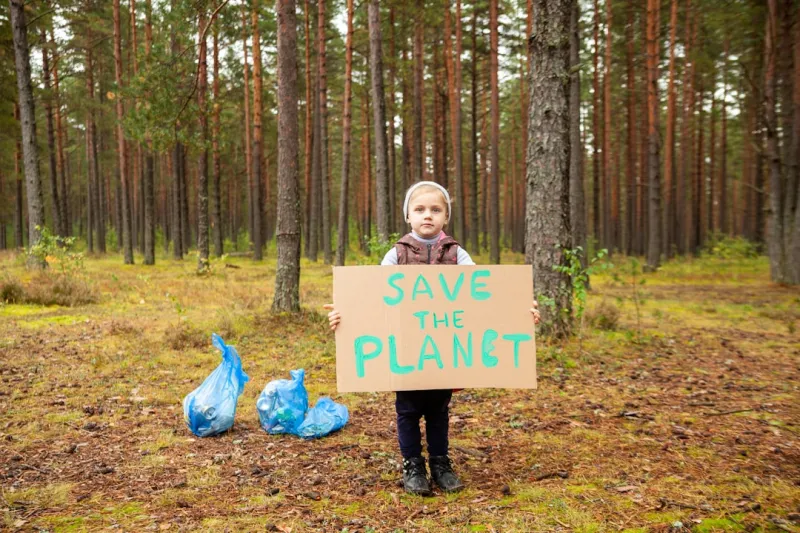
Teaching Kids About Sustainable Living: A Guide for Parents
Teaching kids about sustainable living is crucial for their future and the future of our planet. Learn how to instill good habits and values in your kids and he...Read More

The Evolution of Sustainable Home Decor: A Greener Tomorrow
Learn how to create a sustainable and eco-friendly home with the latest trends in sustainable home decor, from choosing eco-friendly materials to reducing energ...Read More

The Impact of Sustainable Practices on the Toy Industry
The toy industry is undergoing a significant transformation, driven by growing demand for sustainable and eco-friendly products. Learn how sustainable practices...Read More
0 Comments
Post Comment
You will need to Login or Register to comment on this post!