

The Evolution of Branding: How Technology is Revolutionizing the Way We Connect with Consumers
The digital age has brought about a significant transformation in the way businesses approach branding. With the rise of technology, consumers are more connected than ever before, and companies are faced with the challenge of standing out in a crowded market. In this article, we will explore the evolution of branding and how technology is revolutionizing the way we connect with consumers.
The Changing Landscape of Branding
The traditional approach to branding involved creating a logo, slogan, and advertising campaign that would appeal to a wide audience. However, with the advent of social media and digital marketing, brands are now able to connect with consumers on a more personal level. Personalization has become a key component of modern branding, with companies using data and analytics to tailor their messaging and offerings to individual consumers. This shift towards personalization has been made possible by advances in technology, including the use of artificial intelligence and machine learning.
The Role of Technology in Branding
Technology has played a significant role in the evolution of branding. With the rise of social media, brands are now able to connect with consumers in real-time, responding to comments and concerns in a way that was not possible in the past. Email marketing has also become more sophisticated, with companies using automation and personalization to create targeted campaigns that drive engagement and conversion. Furthermore, the use of data analytics has enabled brands to gain a deeper understanding of their customers, allowing them to make data-driven decisions that drive business results.
The Importance of Authenticity in Branding
In today's digital age, consumers are bombarded with messages and advertisements from brands. As a result, authenticity has become a key component of successful branding. Consumers want to connect with brands that are genuine and transparent, and technology has made it easier for brands to showcase their authenticity. Storytelling has become a popular way for brands to connect with consumers, with companies using social media and other digital channels to share their stories and values. By being authentic and transparent, brands can build trust with their customers and establish a loyal following.
The Rise of Influencer Marketing
Influencer marketing has become a popular way for brands to connect with consumers. By partnering with influencers who have a large following on social media, brands are able to reach a wider audience and build credibility. However, with the rise of fake followers and engagement, brands must be careful when selecting influencers to partner with. Authenticity is key when it comes to influencer marketing, and brands must ensure that they are partnering with influencers who align with their values and target audience. By doing so, brands can create effective influencer marketing campaigns that drive engagement and conversion.
The Future of Branding
The future of branding is exciting and full of possibilities. With the rise of artificial intelligence and machine learning, brands will be able to create even more personalized and engaging experiences for their customers. The use of technology will continue to play a significant role in the evolution of branding, enabling brands to connect with consumers in new and innovative ways. As consumers become increasingly connected and empowered, brands must be prepared to adapt and evolve in order to stay ahead of the curve.
The Intersection of Branding and Technology
The intersection of branding and technology is a fascinating topic. With the rise of digital marketing, brands are now able to connect with consumers in real-time, using data and analytics to inform their marketing strategies. The use of virtual reality and augmented reality is also becoming more prevalent, enabling brands to create immersive and engaging experiences for their customers. By leveraging these technologies, brands can create innovative and effective marketing campaigns that drive engagement and conversion.
The Impact of Social Media on Branding
Social media has had a significant impact on branding. With the rise of platforms like Facebook, Twitter, and Instagram, brands are now able to connect with consumers in real-time, responding to comments and concerns in a way that was not possible in the past. Social media has also enabled brands to build a community around their products and services, creating a loyal following of customers who are passionate about the brand. By leveraging social media, brands can create effective marketing campaigns that drive engagement and conversion.
The Role of Data in Branding
Data has become a critical component of branding. With the rise of data analytics, brands are now able to gain a deeper understanding of their customers, using data to inform their marketing strategies. The use of customer relationship management software has also become more prevalent, enabling brands to manage their interactions with customers and create personalized experiences. By leveraging data, brands can create effective marketing campaigns that drive engagement and conversion.
Conclusion
The evolution of branding has been significant, with technology playing a critical role in the way brands connect with consumers. From the rise of social media to the use of data analytics, brands are now able to create personalized and engaging experiences for their customers. As consumers become increasingly connected and empowered, brands must be prepared to adapt and evolve in order to stay ahead of the curve. By leveraging technology and data, brands can create effective marketing campaigns that drive engagement and conversion.
Final Thoughts
In conclusion, the evolution of branding has been shaped by technology and the rise of digital marketing. Brands must be prepared to adapt and evolve in order to stay ahead of the curve, leveraging technology and data to create personalized and engaging experiences for their customers. By doing so, brands can build trust and loyalty with their customers, driving business results and growth.

Top Posts
The Evolution of Branding: How Technology is Revolutionizing the Way We Connect with Consumers
The digital age has brought about a significant transformation in branding. Learn how technology is revolutionizing the way businesses connect with consumers an...Read More

The Art of Gift-Giving: A Personal Journey
Gift-giving is an art form that requires thought, effort, and love. Learn how to create meaningful experiences that strengthen relationships and bring joy to th...Read More
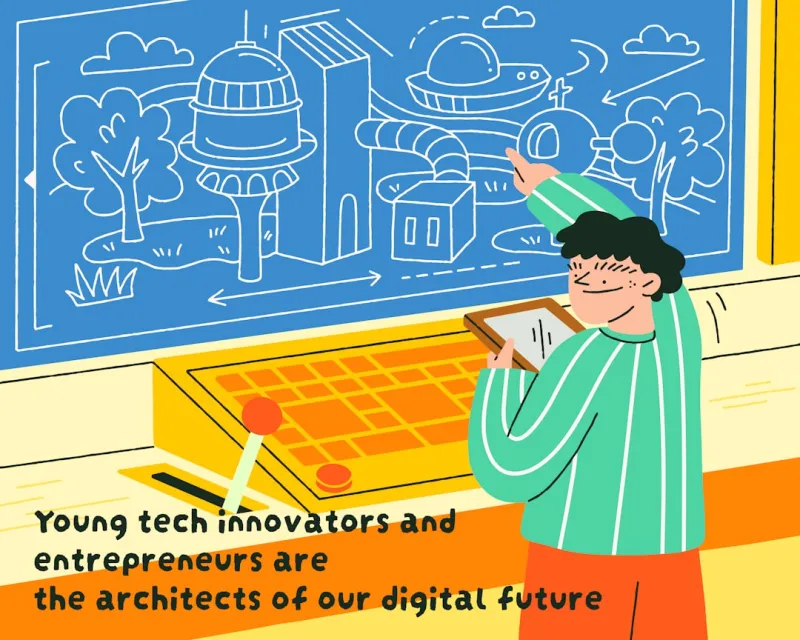
The Future of Business: How Technology is Revolutionizing Industries
The future of business is being shaped by technology. From AI to sustainable shopping, learn how the latest trends and innovations are revolutionizing industrie...Read More

Revolutionizing Email Marketing: Strategies for Success in a Digital Age
Email marketing remains a powerful tool for reaching and engaging with your target audience. Learn how to leverage digital skills and prioritize email security ...Read More
0 Comments
Post Comment
You will need to Login or Register to comment on this post!